Chinese-Speaking Attackers Use Autonomous AI Against 19 Organizations
Emerging Technology Risk · 6 sources · Updated 14d ago · First seen Nov 12, 2026
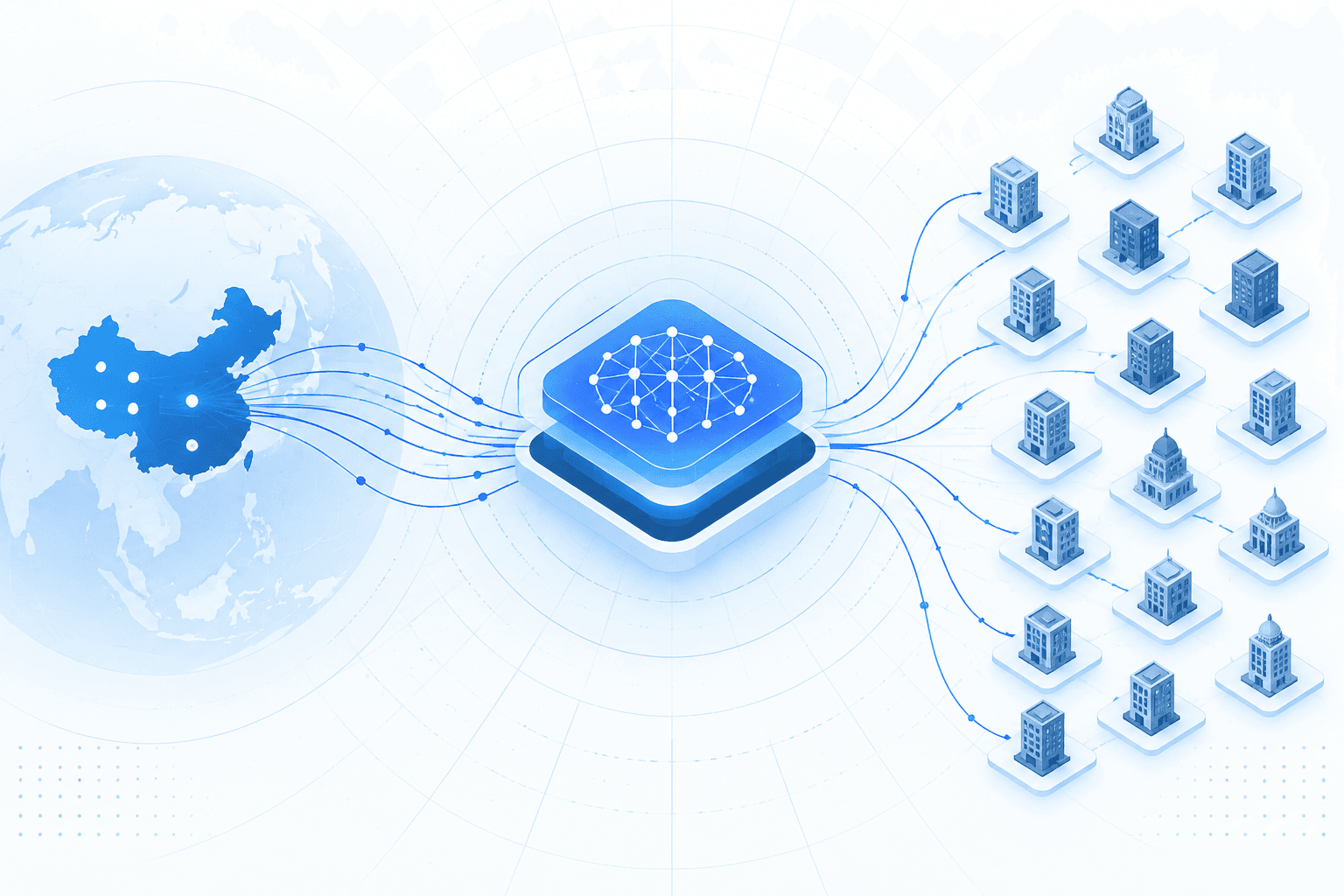
Chinese-speaking attackers used a customized Cairn AI penetration-testing framework to conduct 25 operations against at least 19 organizations in semiconductor supply chains, defense policy and civil society, according to Palo Alto Networks Unit 42. Tracked as CL-STA-1238, the campaign ran during August–September 2026 and used Zhipu GLM and DeepSeek models to autonomously plan and execute intrusions. Unit 42 confirmed unauthorized access or data retrieval at 10 organizations, with impacts including exposure of more than one million union member records, access to military and government identities, creation of persistent administrator accounts, and modification of a live standards-ballot document.
Unit 42 assessed with moderate confidence that the activity represented China-nexus intelligence collection, citing Chinese-language operational artifacts, model selection and targeting. The attackers exploited established authentication, authorization, credential and configuration weaknesses rather than novel techniques, demonstrating how autonomous orchestration can expand attack scale without greater technical sophistication. For defenders, the findings reinforce the importance of tightening access controls, addressing exposed credentials and misconfigurations, and monitoring for unauthorized privileged accounts and sensitive-data access.
Why it matters
Impact assessment
Chinese-speaking attackers used autonomous AI agents in 25 operations against at least 19 organizations during August–September 2026; Unit 42 confirmed unauthorized access or data retrieval at 10 organizations. Observed consequences included large-scale personal-data exposure, theft of internal documents, persistent privileged access, and modification of a live standards-ballot document, establishing both confidentiality and integrity impacts rather than merely attempted exploitation.
- Industry-specific impact: Information Technology, Industrials, Military & Defense, and Civil Society & Non-Profit are specifically affected or targeted. Evidence includes seven semiconductor and advanced-manufacturing supply-chain targets; access to approximately 150,000 documents at an industrial-automation manufacturer; targeting of a space-technology company, defense-analytics vendor, and defense-policy think tank; and targeting of human-rights, union, advocacy, and education nonprofit organizations. Not every targeted organization was confirmed compromised. Unit 42
- Geography-specific impact: The United States and Canada are specifically affected or targeted. Unit 42 documents access to more than one million records at a U.S. teachers' union and identifies a Canadian human-rights body among the targets; compromise of the Canadian organization is not established in the supplied account. Infrastructure in Hong Kong and the United States does not independently establish victim geography. Unit 42
- Scope and severity: This was a targeted, multi-organization campaign, not evidence of indiscriminate global compromise. Exposed union records, staff password hashes, employee and student data, and defense-policy user identities create privacy, credential-reuse, intelligence-collection, and reputational risks; unauthorized administrator accounts and API tokens create continuing access risk. Operational outages or financial losses are not established.
- Attribution: Unit 42 assesses China-nexus intelligence collection with moderate confidence. Chinese-language artifacts, model selection, and targeting support that assessment but do not establish a named state sponsor.