Weak SQL Server Passwords Enable Monero Mining and Gh0st RAT Deployment
Malware Intelligence · 9 sources · Updated 12d ago · First seen Nov 12, 2026

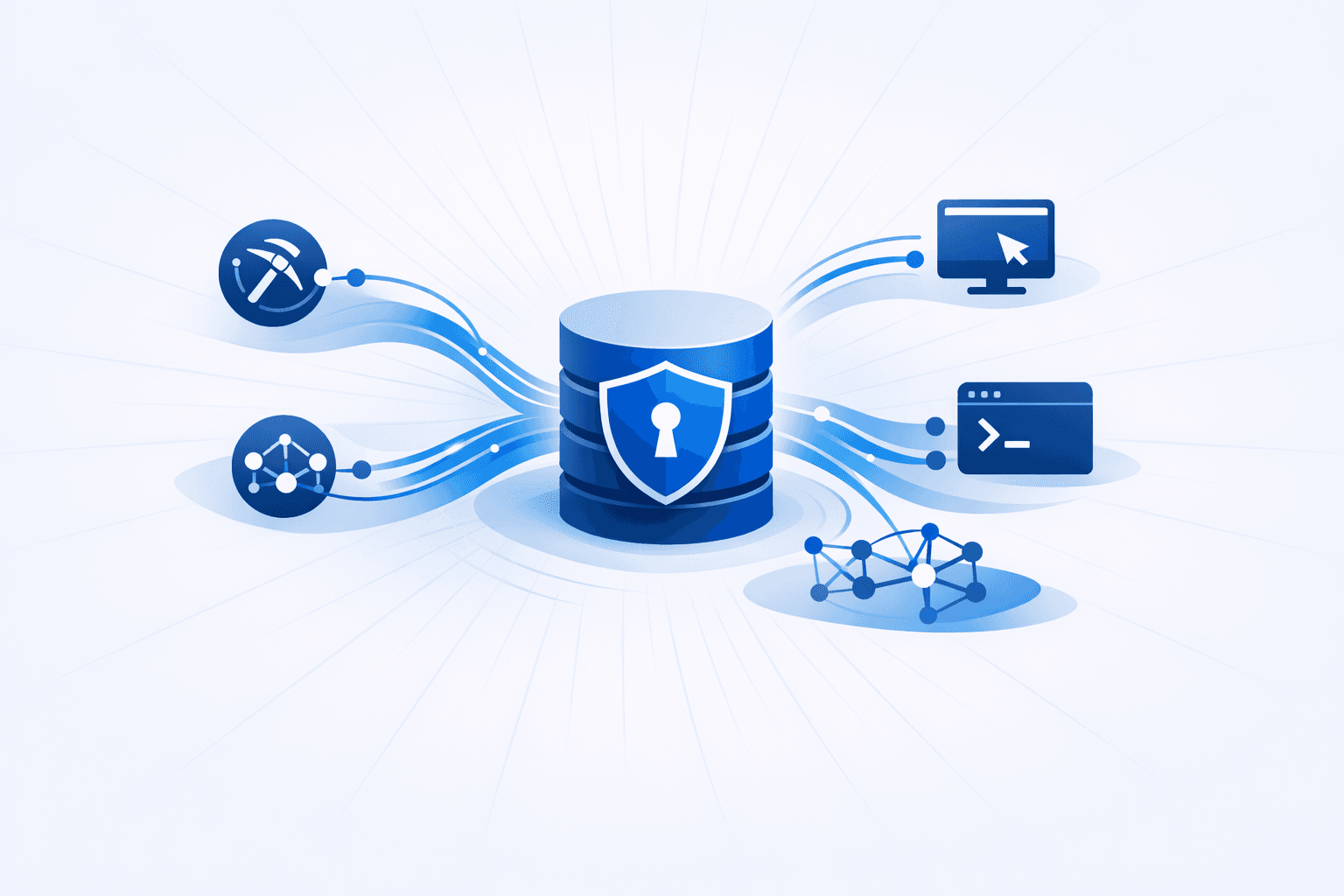
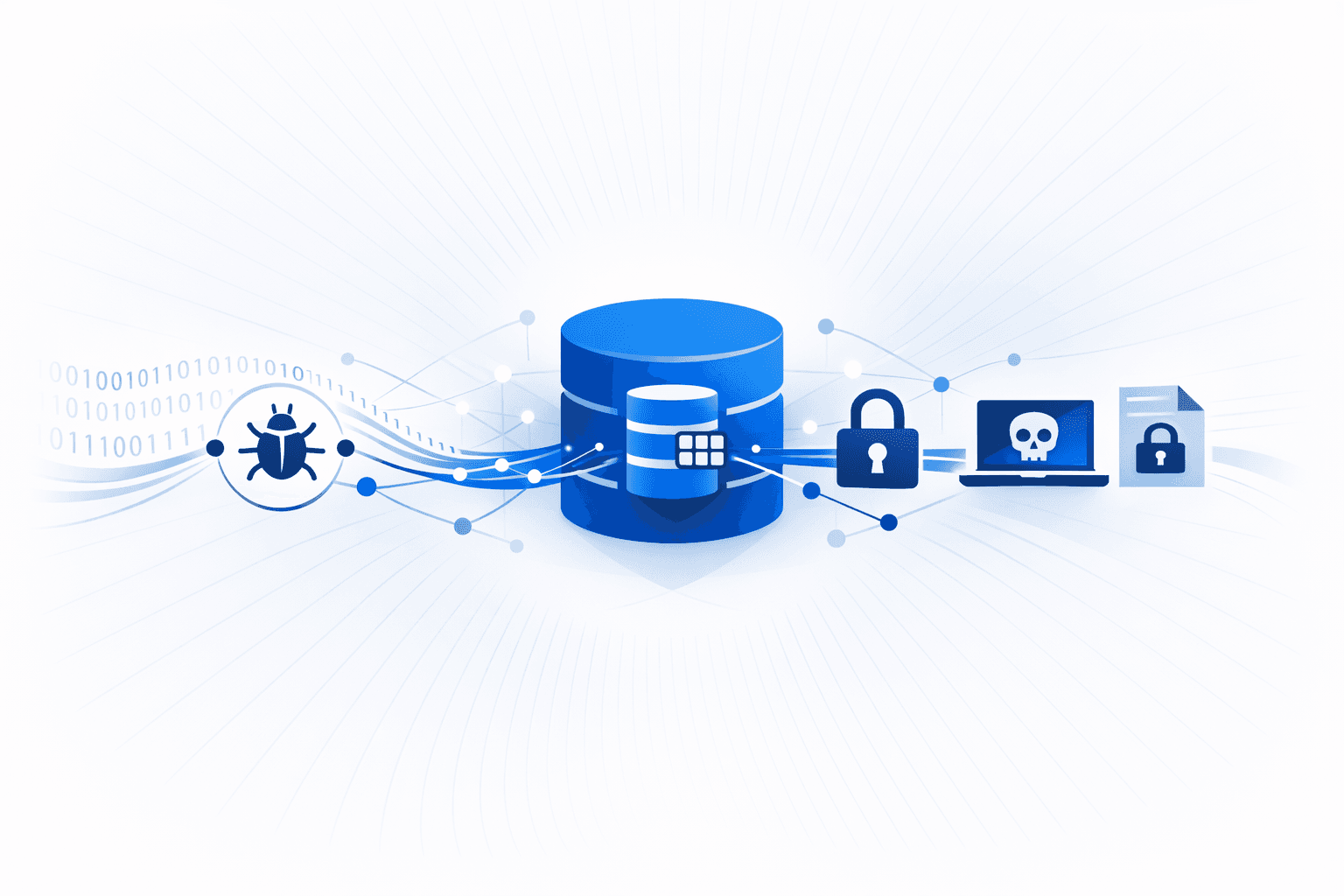
Attackers are compromising internet-facing Microsoft SQL Server instances with weak credentials to deploy a Monero cryptominer and a Gh0st remote access trojan variant. FortiGuard Labs discovered the active campaign in early October and reported that it abuses legitimate database administration features rather than a newly identified software vulnerability. A Go-based payload incorporating Naabu scans TCP port 1433, while a separate .NET executable attempts authentication using predefined usernames and more than 2,700 passwords. After obtaining sufficiently privileged access, attackers enable SQL Server’s xp_cmdshell feature to execute Windows commands and install loaders that retrieve the malware from attacker-controlled infrastructure.
The campaign establishes persistence through scheduled tasks, a Windows service, registry Run keys and the Startup folder. The miner consumes server processing resources, while Gh0st RAT provides capabilities for host profiling, file access, keylogging, data theft and remote control. Researchers could not verify the RAT’s live communications because its command-and-control server was offline; neither the responsible threat actor nor the number of compromised servers was identified. Defenders should restrict external SQL Server access, strengthen credentials, limit database privileges and monitor operating-system command execution and persistence mechanisms. Incident response should investigate the full compromise rather than treating removal of the miner as sufficient remediation.
Why it matters
An active campaign compromises internet-facing Microsoft SQL Server instances on Windows through weak credentials, deploying an XMRig-based Monero miner and a Gh0st RAT variant. Mining consumes processing capacity and can degrade database performance and increase operating costs; the RAT introduces substantial confidentiality and remote-control risk, although its supported surveillance and theft capabilities are not proof they were used against victims. FortiGuard Labs discovered the activity in early October 2026 and rated it high severity; the reports identify neither victims nor a compromise count, and offline RAT command servers prevented verification of live communications (FortiGuard Labs).
- Industry-specific impact is not established. The evidence identifies exposed SQL Server installations, not affected organizations or sector-specific targeting; generic database exposure does not establish impact on the Information Technology sector or any other industry.
- Geography-specific impact is not established. No affected countries or geographically targeted populations are identified. Infrastructure names and the RAT's QQ-theft capability do not establish victim geography.
- Scope: Automated scanning and password guessing create broad potential exposure among reachable, weakly protected installations, but the observed campaign's scale is unknown. Effective Windows access depends on database privileges and the SQL Server service account's permissions, not merely possession of a database login (Hackread).