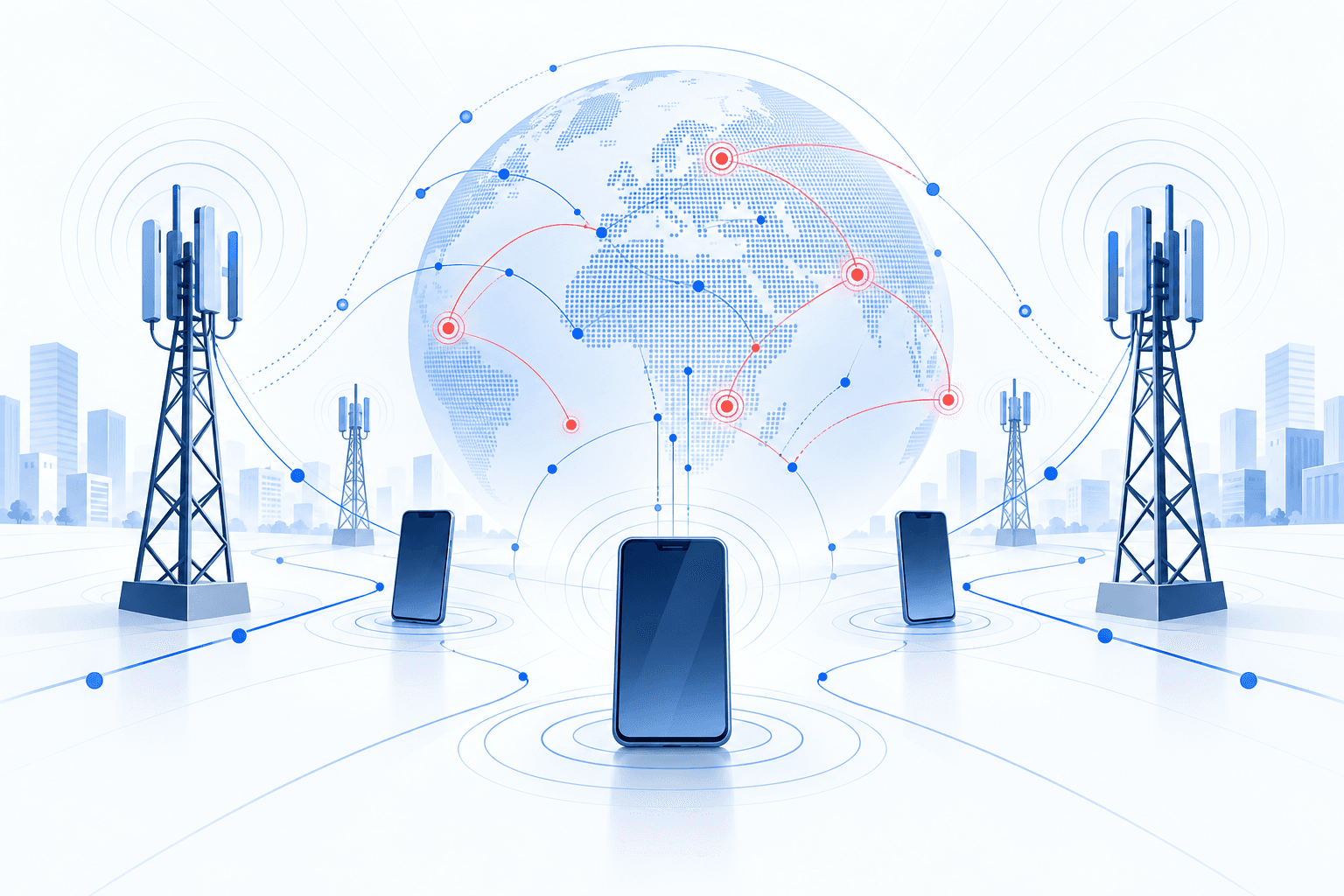
SilentAir Abuses Compromised Asian Telcos to Intercept Taiwanese Calls and Texts
Sector Threat Intelligence · 21 sources · Updated 11d ago · First seen Nov 12, 2026
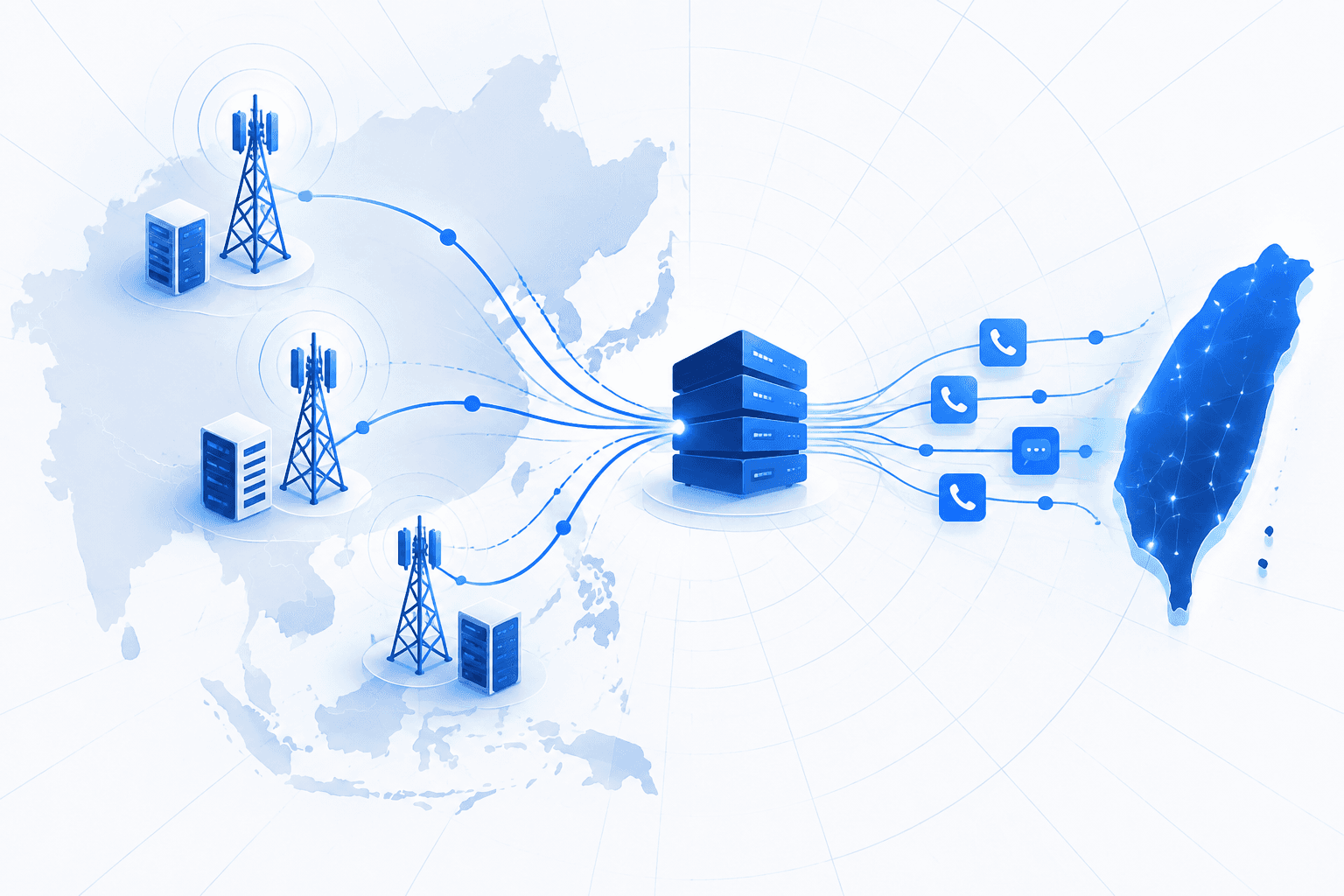
Enea identified SilentAir, an actor using compromised Asian mobile operators to intercept calls and text messages, primarily targeting Taiwanese subscribers. The activity exploited SS7 and Diameter signaling, with some interceptions associated with the arrival of two-factor authentication codes, suggesting attempts to compromise victims’ other accounts. Enea assessed with high confidence that SilentAir operates at state level, but linked it to China-nexus operations only with low confidence; a possible connection to Liminal Panda remains unproven.
Separately, Enea detected Liminal Panda at multiple operators and identified a new GTPDoor backdoor variant that hides command-and-control traffic within GTP-U user-data traffic. CrowdStrike previously documented Liminal Panda targeting telecommunications providers since at least 2020, using custom tools to collect subscriber information, call metadata and SMS messages, and leveraging compromised telecom servers to penetrate other providers. Enea reported helping customers remove Liminal Panda and notifying operators hosting SilentAir attack sources, but warned that conditions enabling renewed activity remained. Operators should prioritize signaling-abuse detection, scrutiny of GTP-U traffic and investigation of cross-provider access paths.
Why it matters
SilentAir compromised mobile-operator infrastructure to conduct targeted surveillance, primarily against Taiwanese subscribers, including political and government figures; successful SMS interception included authentication codes, but successful account takeover and voice interception were not confirmed. Separately, Enea observed or strongly suspected LIMINAL PANDA infections at 5–10 operators and estimated potentially several dozen worldwide, creating exposure to subscriber-data theft and cross-provider intrusion. Both actors were reportedly disrupted, but complete eradication is unconfirmed and renewed activity remains possible.
- Industry-specific impact: Communication Services is directly affected because mobile operators were compromised and their signaling infrastructure abused. Government & Public Sector is specifically targeted because victims included government officials and political VIPs; this establishes targeting, not confirmed compromise of government enterprise networks. Enea
- Geography-specific impact: Taiwan is the principal observed target population, with Taiwanese subscribers and networks receiving the greatest targeting. Compromised operators were located in at least six unnamed Asian countries; additional targets spanned Asian subregions, East Africa, the Middle East and Europe, while potential LIMINAL PANDA exposure extended into Latin America. These broader descriptions do not support additional country codes. Enea
- Scope and severity: SilentAir operated in bursts ranging from a few subscribers to several thousand per month, separated by months of inactivity. The primary demonstrated harm is communications-confidentiality loss; intercepted authentication codes create downstream account-compromise risk, but the supplied evidence does not establish financial loss or widespread service disruption.
- Attribution: Enea assesses SilentAir as state-level with high confidence, but its China nexus with low confidence. A connection to LIMINAL PANDA remains unconfirmed; overlapping access and timing do not establish a shared actor.