Leaked iPhone Exploit Kits Spread Through No-Click Ads and Hijacked Web Traffic
Active Exploitation · 5 sources · Updated 12d ago · First seen Sep 15, 2026
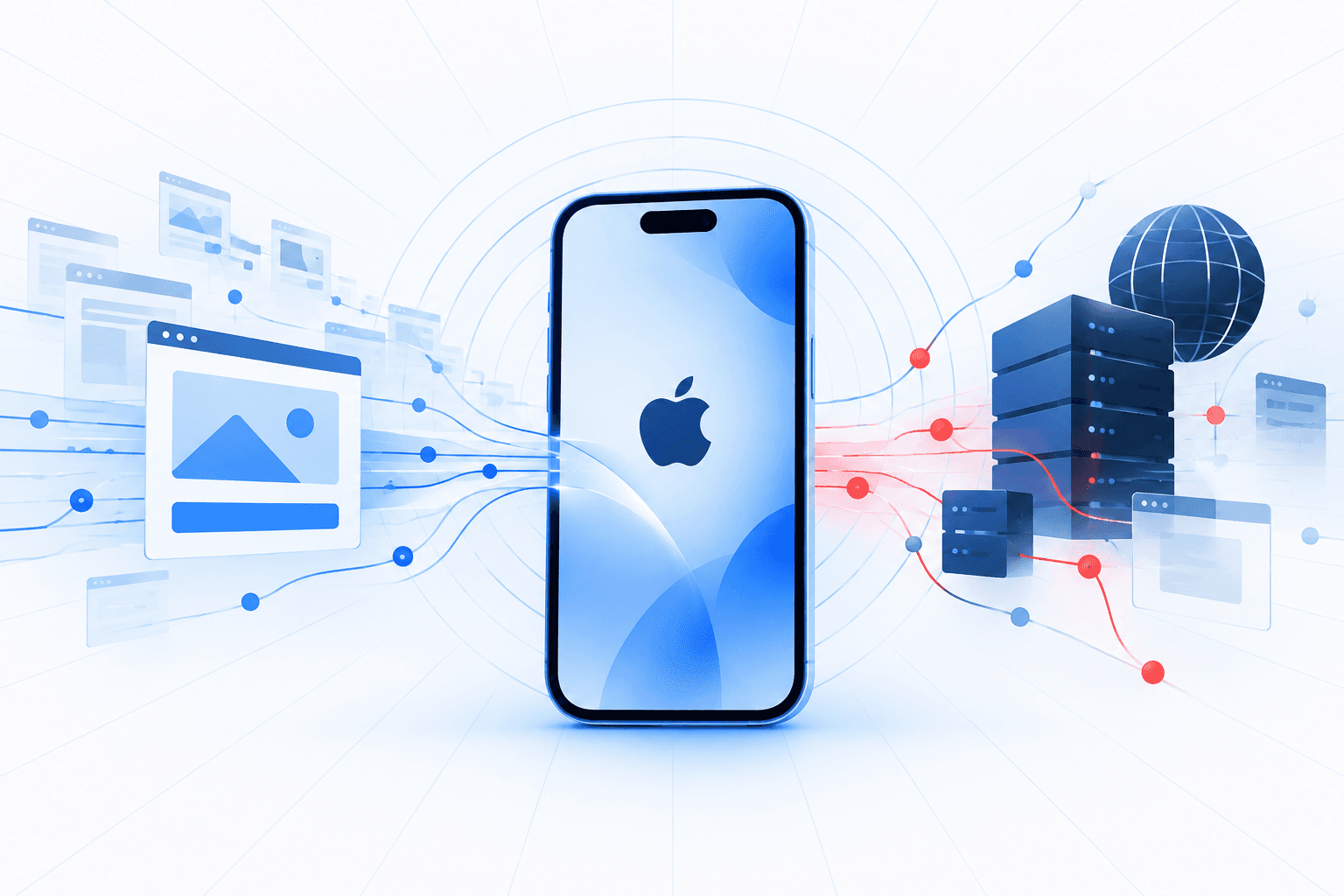
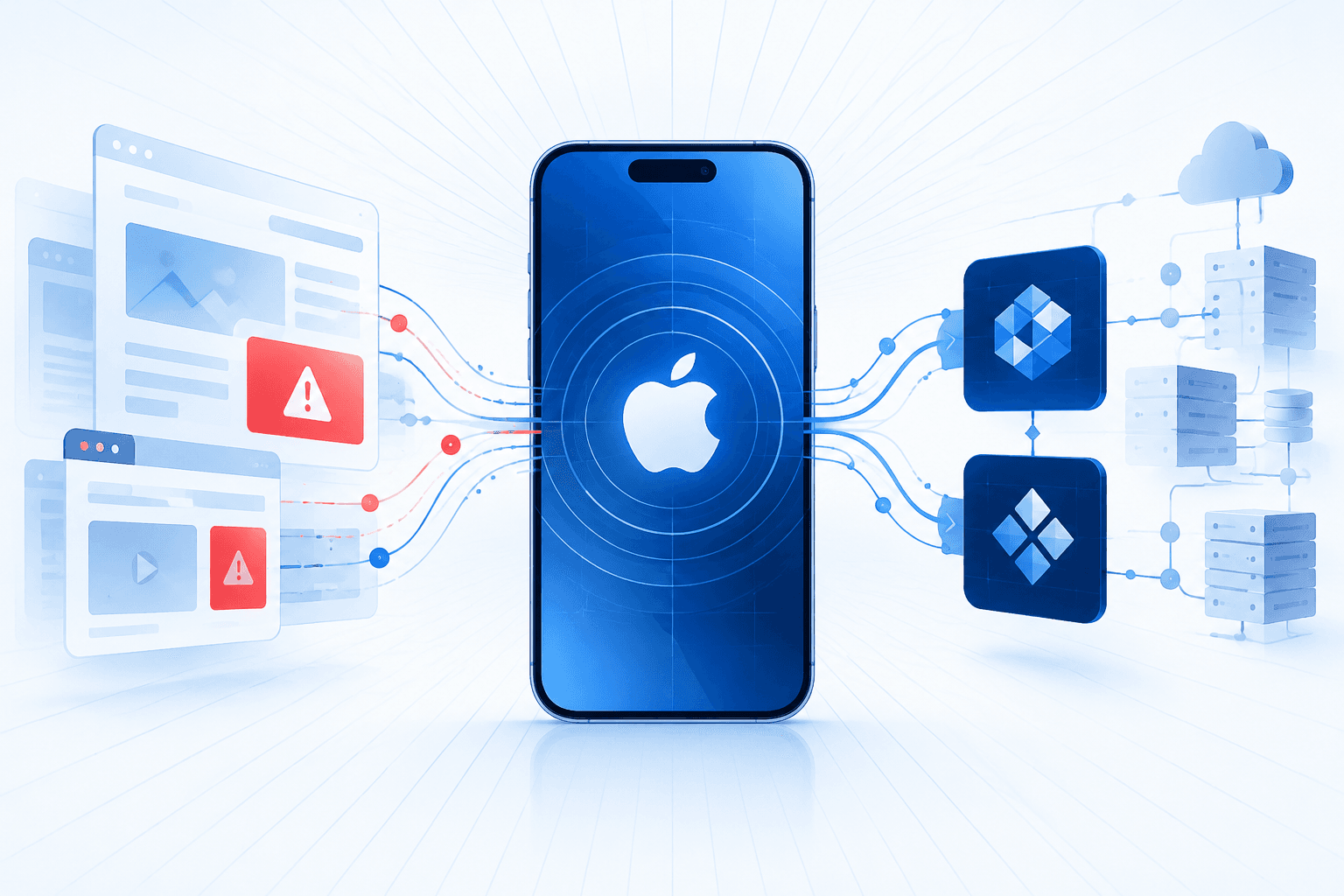
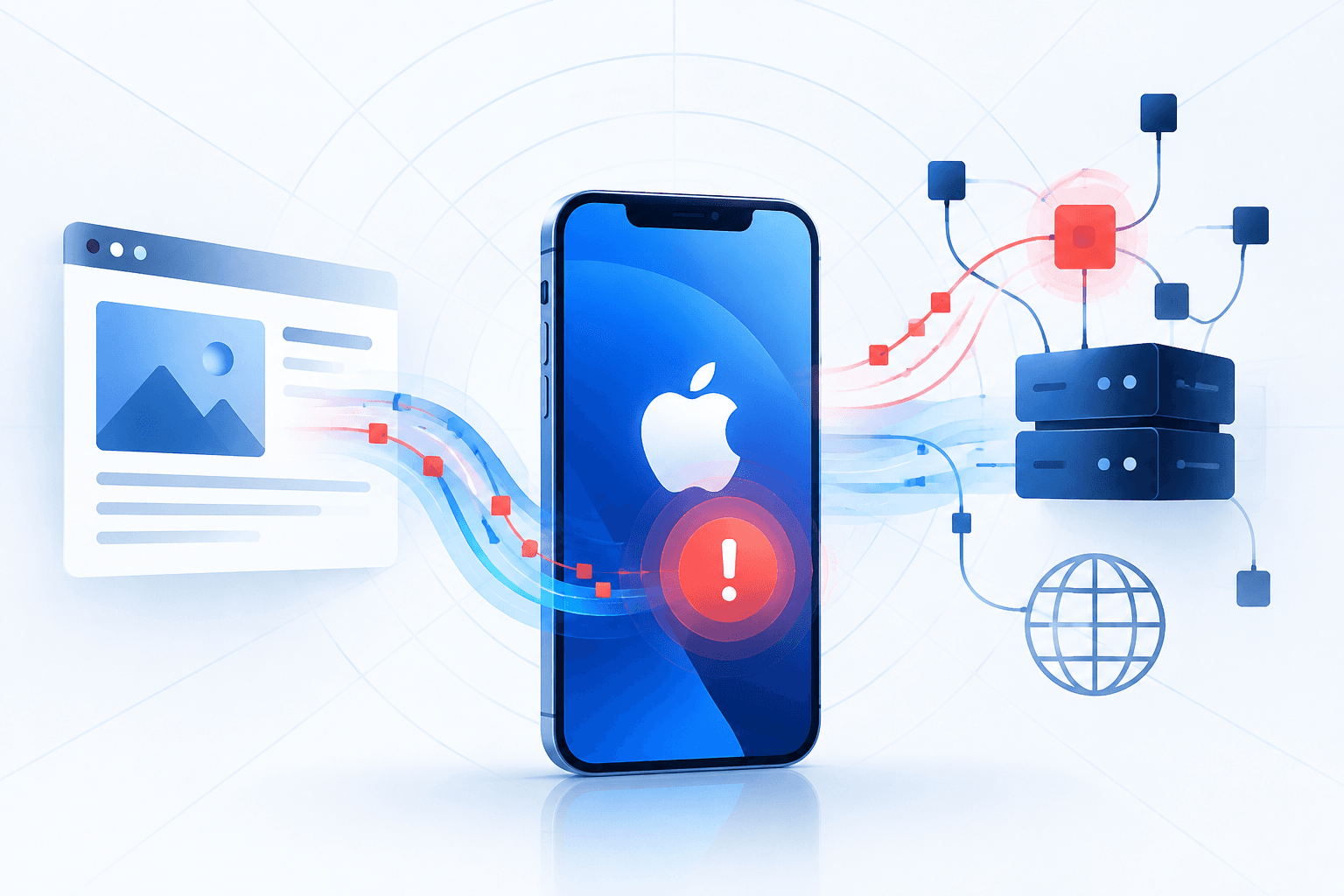
Criminals are using leaked DarkSword and Coruna exploit toolkits to compromise vulnerable iPhones through advertisements and malicious or compromised websites, according to iVerify’s 2026 Advanced Mobile Threat Report. Researchers observed a DarkSword attack triggered when an Instagram display advertisement loaded, without the victim clicking it—a delivery method iVerify calls a half-click attack. The same person also faced a separate link-based attack attributed to a different actor; researchers assessed that both actors likely sought cryptocurrency theft. A separate campaign hijacked the expired analytics domain ecomtrack[.]io to redirect shoppers from legitimate stores to infrastructure serving DarkSword. The DeadTag traffic-selling operation similarly redirected traffic through expired, re-registered domains, although researchers did not establish how many phones were infected.
Compromised personal iPhones used for work could expose corporate accounts through stolen credentials or session tokens. Device targeting and selective responses complicate investigation, while DarkSword’s lack of persistence means reboots or software updates can remove running malware and erase evidence. Researchers knew of no Apple threat notifications sent to confirmed DarkSword or Coruna victims, making notification absence an unreliable indicator of safety. iVerify recommends keeping iOS updated, enforcing minimum OS versions for corporate access, collecting device telemetry promptly when compromise is suspected, and enabling Lockdown Mode for high-risk users.
Why it matters
Criminal operators are using leaked Coruna and DarkSword exploit kits to steal credentials, cryptocurrency, and other data from unpatched iPhones, including personal devices used for work. Exploitation is confirmed, including an advertisement-rendering attack requiring no click; stolen credentials or session tokens could enable corporate account compromise, although the documented financial-institution incident was detected before reported network lateral movement. Exposure extends beyond individually selected high-profile targets, but infection totals remain unknown and iVerify's detection statistics are not population-wide prevalence estimates.
- Industry-specific impact: Financials is directly affected: iVerify confirmed DarkSword P7 on a financial institution employee's iPhone after a malicious advertisement interaction (reference). Communication Services is also supported by a separate advertising-surveillance example involving at least 45 targeted Al Jazeera devices, linked by Citizen Lab to Candiru; this is contextual evidence, not attribution to the criminal DarkSword campaigns (reference). Legitimate online stores also carried hijacked analytics references, exposing shoppers, but their merchandise and precise industry classification are unspecified.
- Geography-specific impact: Ukraine is explicitly targeted: DarkSword was served from Ukrainian news and government websites to visitors with Ukrainian IP addresses and vulnerable iPhones (reference). This does not establish compromise of those government organizations' internal systems or limit the broader campaigns to Ukraine.
- Scope and visibility: The broader DeadTag network reportedly spanned more than 660 re-registered domains and websites receiving an estimated 135 million monthly visits; these figures are traffic exposure, not infected-device counts. No Apple threat notifications were known to have reached iVerify-confirmed Coruna or DarkSword victims.