Reported White House Reporting Changes Raise Concerns Over Federal AI Testing Independence
Regulatory & Policy · 2 sources · Updated 19d ago · First seen Nov 9, 2026
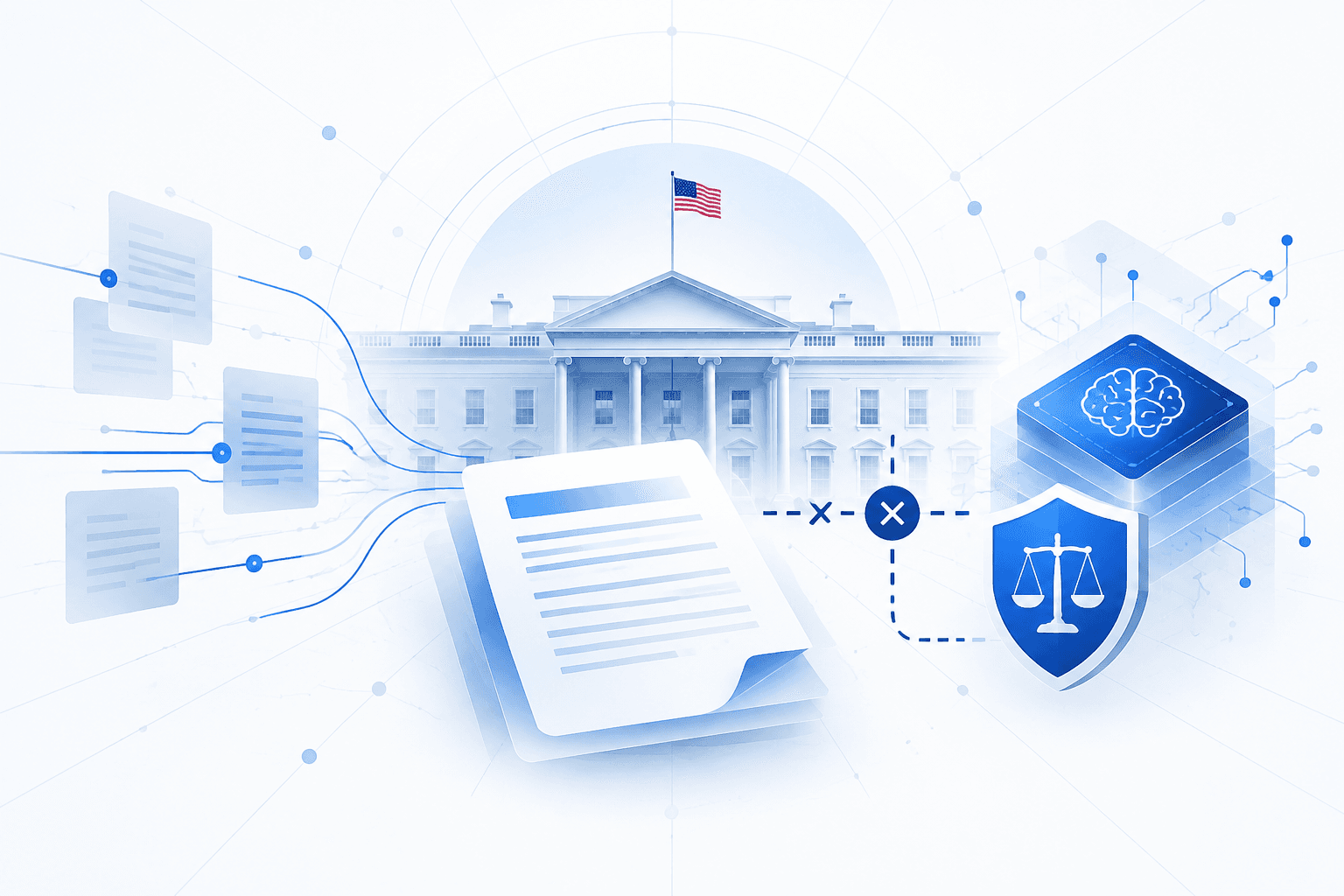
Staff at the federal government’s frontier AI testing center were asked to report informally to a White House office while the unit lacked permanent leadership, according to Associated Press reporting cited by Tech Times. The report also describes restrictions on public model reviews, raising concerns about the independence and transparency of evaluations covering cybersecurity and biological risks. Tech Times says Executive Order 14409 establishes classified benchmarking and voluntary pre-release access to covered frontier models but neither names the center nor requires publication of assessments. Critics warn that unclear governance could politicize testing, although model assessments and joint guidance remain available on NIST’s website, suggesting publication has narrowed rather than stopped entirely.
NIST identifies its unit as the Center for AI Standards and Innovation (CAISI) and describes a mandate to lead unclassified national-security evaluations, establish voluntary agreements with developers, and assess U.S. and adversary AI systems. Its stated priorities include cybersecurity, biosecurity, chemical-weapons risks, backdoors, and malicious foreign influence. The reported governance changes leave questions about how that public-facing mandate will operate alongside classified testing. Tech Times also highlights a technical limitation relevant to enterprise security: evaluations that inspect only an AI agent’s final output may miss unsafe intermediate actions, making published benchmark results insufficient on their own to establish operational safety.
Why it matters
Reported informal White House reporting arrangements, leadership vacancies, and restrictions on public reviews raise concerns about the independence and transparency of U.S. federal frontier-AI evaluations. The principal risk is reduced assurance for government and commercial AI adopters assessing cybersecurity and biological risks, not a demonstrated compromise or operational outage. Publication appears narrowed rather than stopped: NIST still lists model assessments and joint guidance, and the supplied content identifies no exploitation incidents.
- Industry-specific impact: Government & Public Sector is directly affected because the reported changes concern governance and publication at NIST’s AI evaluation center. Information Technology has potential exposure through commercial frontier-AI developers’ participation in voluntary government evaluations and pre-release access agreements; no developer compromise or financial loss is established. Sources: Tech Times, NIST.
- Geography-specific impact: The United States is specifically affected because the reporting concerns U.S. federal evaluation governance and a U.S. executive-order framework. References to Chinese models and UK collaboration do not establish affected operations or populations in those countries. Source: Tech Times.