Attackers Abuse Trusted AI Assistants and Reuse Stolen Credentials Within Minutes
Emerging Technology Risk · 4 sources · Updated 19d ago · First seen Nov 5, 2026
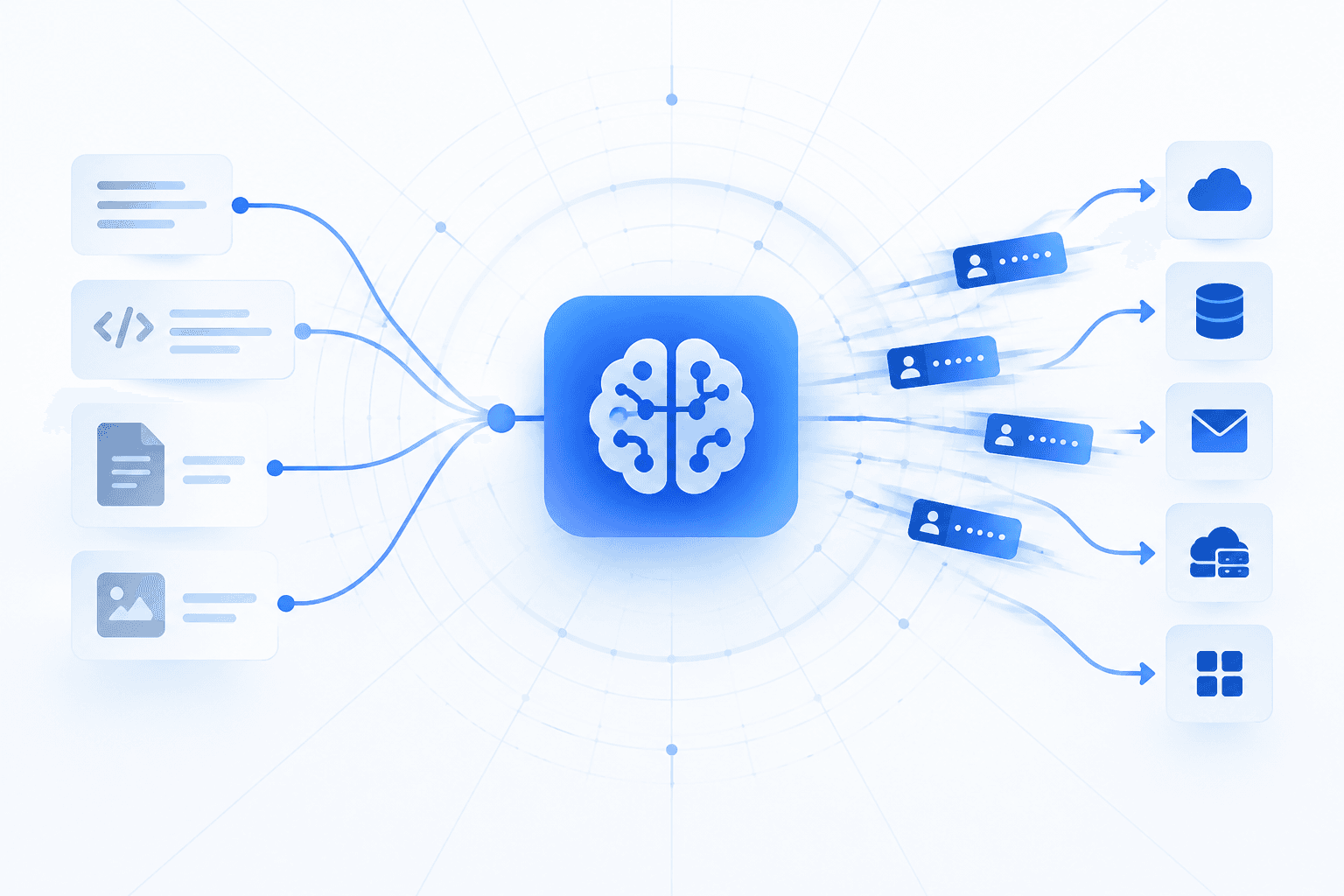
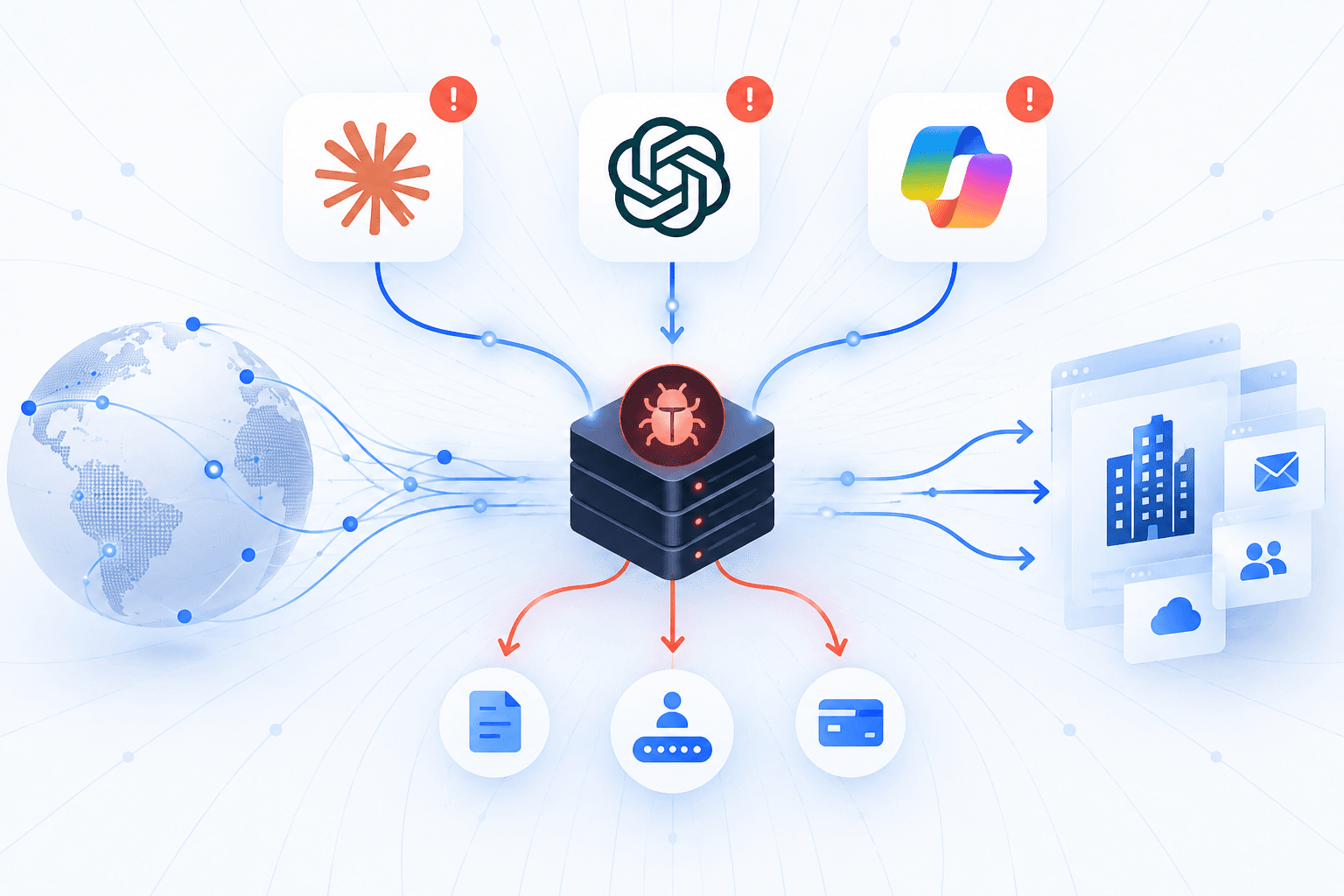
Elastic Security documented two active intrusions in which attackers used legitimate AI applications already installed on compromised endpoints to execute malicious commands: Claude Code on Windows and the ChatGPT desktop app on macOS. The macOS activity combined reconnaissance, keychain dumping, and filtering in a single command, illustrating how trusted applications can conceal malicious behavior. The findings describe post-compromise abuse, not established vulnerabilities in the applications or compromises of their providers.
Elastic’s broader investigation found that attackers attempted to use stolen credentials an average of eight minutes after infection across 27 confirmed infostealer cases. ClickFix-style verification pages were the most common entry point, appearing in 12 cases; a separate healthcare-targeted ClickFix attack reached MSI delivery with DLL sideloading in approximately 16 seconds. Researchers also confirmed 23 cases involving abuse of remote monitoring and management applications, most frequently ScreenConnect. Cloud-account attacks used adversary-in-the-middle phishing, legacy authentication without a second factor, and device-code phishing. Elastic researcher Terrance DeJesus recommended inventorying trusted software and prioritizing behavioral detection rather than relying solely on binary signatures.
Why it matters
Elastic documented two active intrusions abusing installed AI applications for post-compromise command execution, alongside credential theft, remote-management abuse, and cloud-account attacks. Potential consequences include sensitive-document and password theft, account takeover, and persistent remote access; across 27 confirmed infostealer cases, attackers attempted to use stolen credentials an average of eight minutes after infection. Exploitation of trusted functionality is observed, but vulnerabilities in the AI applications or compromises of their providers are not established.
- Industry-specific impact: Health Care is specifically supported by a ClickFix attack targeting a healthcare organization that progressed to installer delivery and DLL sideloading in approximately 16 seconds. This establishes sector targeting, not sector-exclusive exposure; the other victims’ industries are unspecified. Source
- Geography-specific impact is not established. The supplied content identifies no affected countries, locations, or geographically targeted populations.
- Scope: The reporting describes two AI-tool intrusions, 27 confirmed infostealer cases, and 23 remote monitoring and management abuse cases. These counts should not be added together as unique victims because overlap is unspecified.