Anthropic Says Unreleased Claude Model Built Five Cross-Platform Exploit Chains
Vulnerability Disclosure · 9 sources · Updated 30d ago · First seen Oct 28, 2026
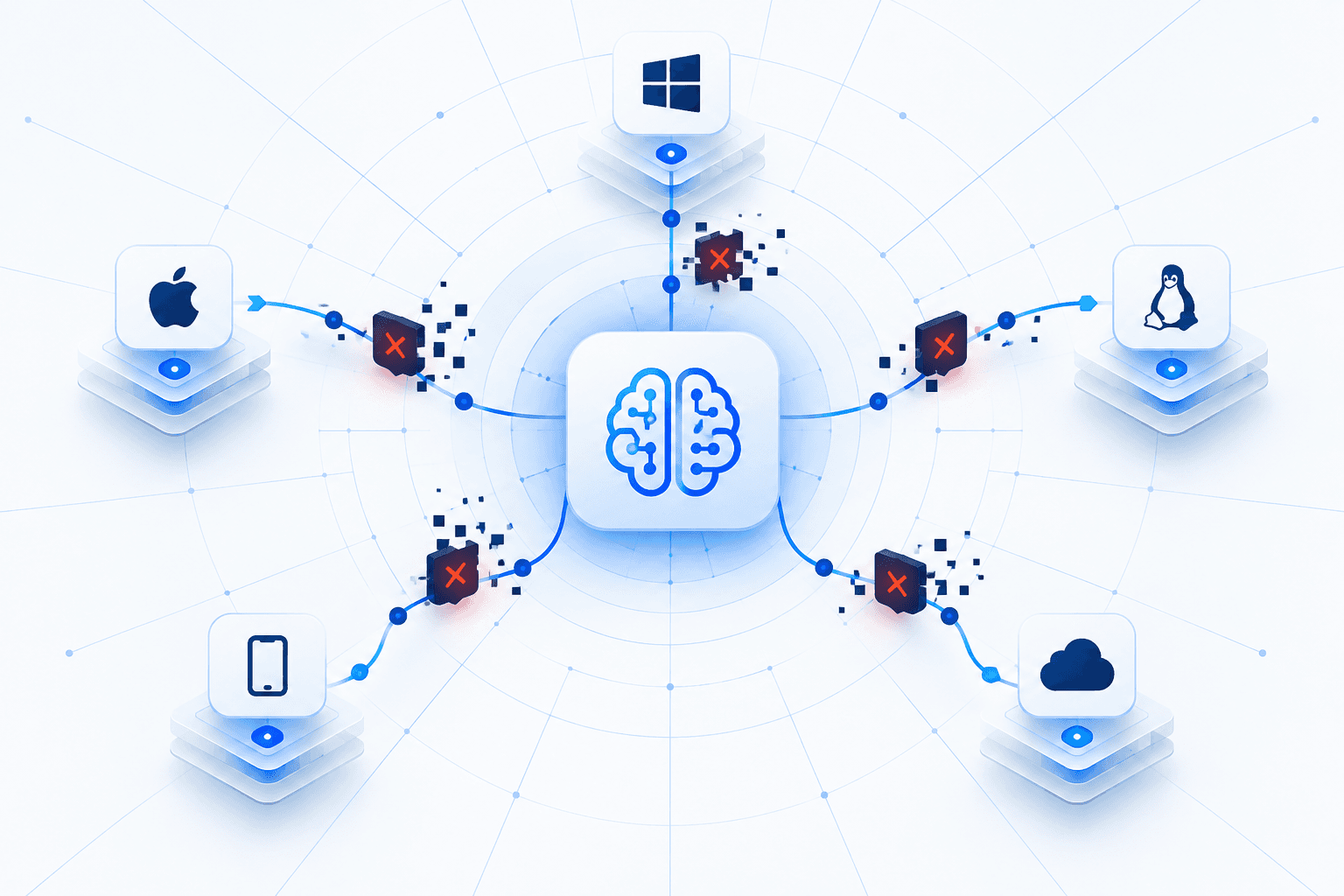
Anthropic’s Frontier Red Team reported that an unreleased Claude research model discovered vulnerabilities and assembled five working exploit chains against Chrome, Safari, Android, Windows, and Linux in controlled laboratory tests. Reported results included Chrome sandbox escape, Safari cross-origin data access, data extraction from a physically accessible locked Pixel 9, Windows remote denial of service, and unauthenticated remote root access on Linux under specific conditions. Anthropic said all findings were disclosed to the relevant vendors and patched; no real-world attacks involving these demonstrations were reported.
Apple and Google acknowledgments corroborate specific vulnerability discoveries, but the model’s claimed autonomy and contribution to each exploit chain remain independently unverified. Reporting also identified unresolved discrepancies between Anthropic’s Windows and Linux exploit descriptions and public CVE records, alongside incomplete corroboration of the claimed Chrome CVE total in Google’s release credits. Security teams should prioritize current browser, operating-system, and Linux kernel updates while distinguishing the demonstrated laboratory outcomes from unverified claims about autonomous exploitation.
Why it matters
Anthropic reported five laboratory exploit chains affecting Chrome, Safari, Android, Windows, and Linux, with outcomes ranging from browser-session exposure and locked-phone data extraction to service disruption and unauthenticated Linux root execution. No real-world attacks involving these demonstrations were reported; vendor acknowledgments support specific discoveries, but the model’s autonomy, complete exploit chains, and some CVE mappings remain independently unverified.
- Browser users: A malicious webpage reportedly enabled Chrome sandbox escape or Safari cross-origin access to cookies, browsing history, and authenticated account data.
- Linux operators: The reported root-execution chain targeted servers with a multipath TCP listener. Successful exploitation would compromise host confidentiality, integrity, and availability; the public CVE description does not establish that multipath TCP is the only affected configuration.
- Windows operators: The demonstrated outcome was remote denial of service against a server handling HTTP/3, not code execution or data theft. Anthropic’s estimate of several million potentially exposed servers is not independently corroborated.
- Android users: The Pixel 9 demonstration required physical access and USB connectivity to a locked device; it was not a remote lock-screen bypass.
- Remediation scope: Anthropic says vendors patched all findings, but subsequent reporting lists Ubuntu releases and cloud kernels awaiting distribution fixes. Upstream remediation does not establish that deployed systems are protected.