International Operation Disrupts Qakbot Botnet and Disinfects Infected Computers
Malware Intelligence · 2 sources · Updated 1mo ago · First seen Aug 26, 2023
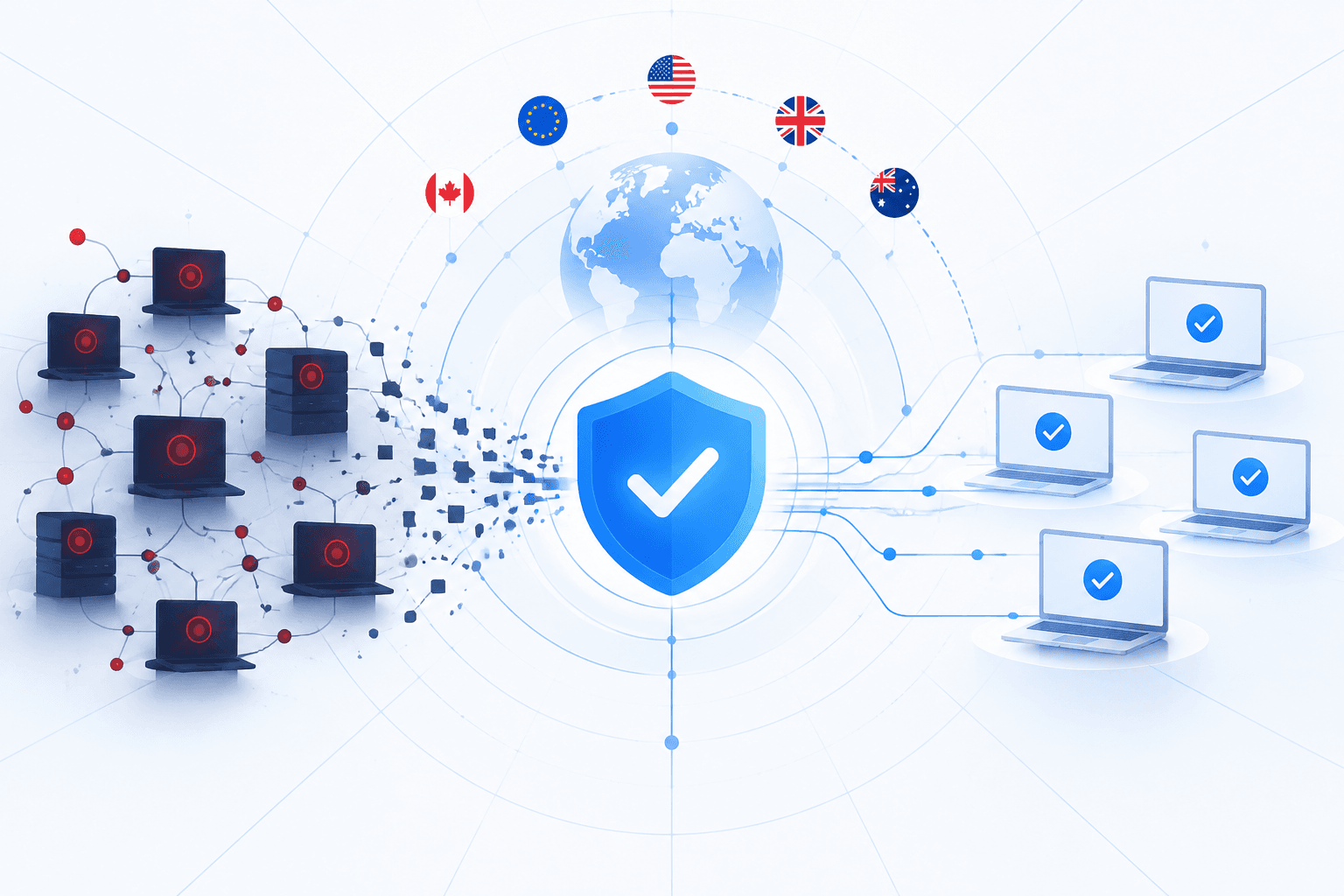
The FBI conducted an international operation on August 26, 2023, to dismantle the Qakbot botnet, also known as Qbot, and remove its malware from infected computers. Authorities in Germany, the Netherlands, the United Kingdom and France coordinated with the United States on the disruption, which the U.S. Department of Justice also publicized. France’s OCLCTIC cybercrime office and the Paris prosecutor’s J3 cybercrime section participated, while ANSSI supported the identification and notification of victims in France.
Active since 2008, Qakbot evolved from a banking Trojan into a modular platform for enrolling compromised computers into a botnet and stealing email credentials. Its operators typically distributed the malware through phishing, including email thread hijacking, which repurposes conversations from compromised mailboxes to make malicious messages appear credible. CERT-FR identified the Dutch police’s Check your hack service and Have I Been Pwned as resources for checking whether an email account was known to have been compromised by Qakbot. Affected organizations should investigate compromised endpoints and mailboxes, reset exposed credentials and assess whether stolen email conversations could support further phishing.
Why it matters
The August 26, 2023 international operation disrupted Qakbot infrastructure and removed malware from infected computers; it did not undo stolen email credentials or exposed conversations. Organizations with previously infected endpoints or compromised mailboxes face residual account-takeover, data-exposure and follow-on phishing risks, including attacks against their correspondents.
- Scope: International, cross-sector botnet activity; the supplied material identifies no industry-specific targeting or victim count.
- Observed exploitation: Qakbot was actively used for endpoint compromise, botnet enrollment and email credential theft. Compromised conversations supported further phishing.
- Operational impact: Victims may require endpoint investigation, mailbox remediation and credential resets despite the disruption.
- Timing: This is historical reporting published in September 2023, not evidence of a new October 2026 campaign or current infection.