Android RAT Impersonates Japanese Brands to Steal Credentials and Enable Remote Control
Malware Intelligence · 2 sources · Updated 1mo ago · First seen Oct 17, 2026
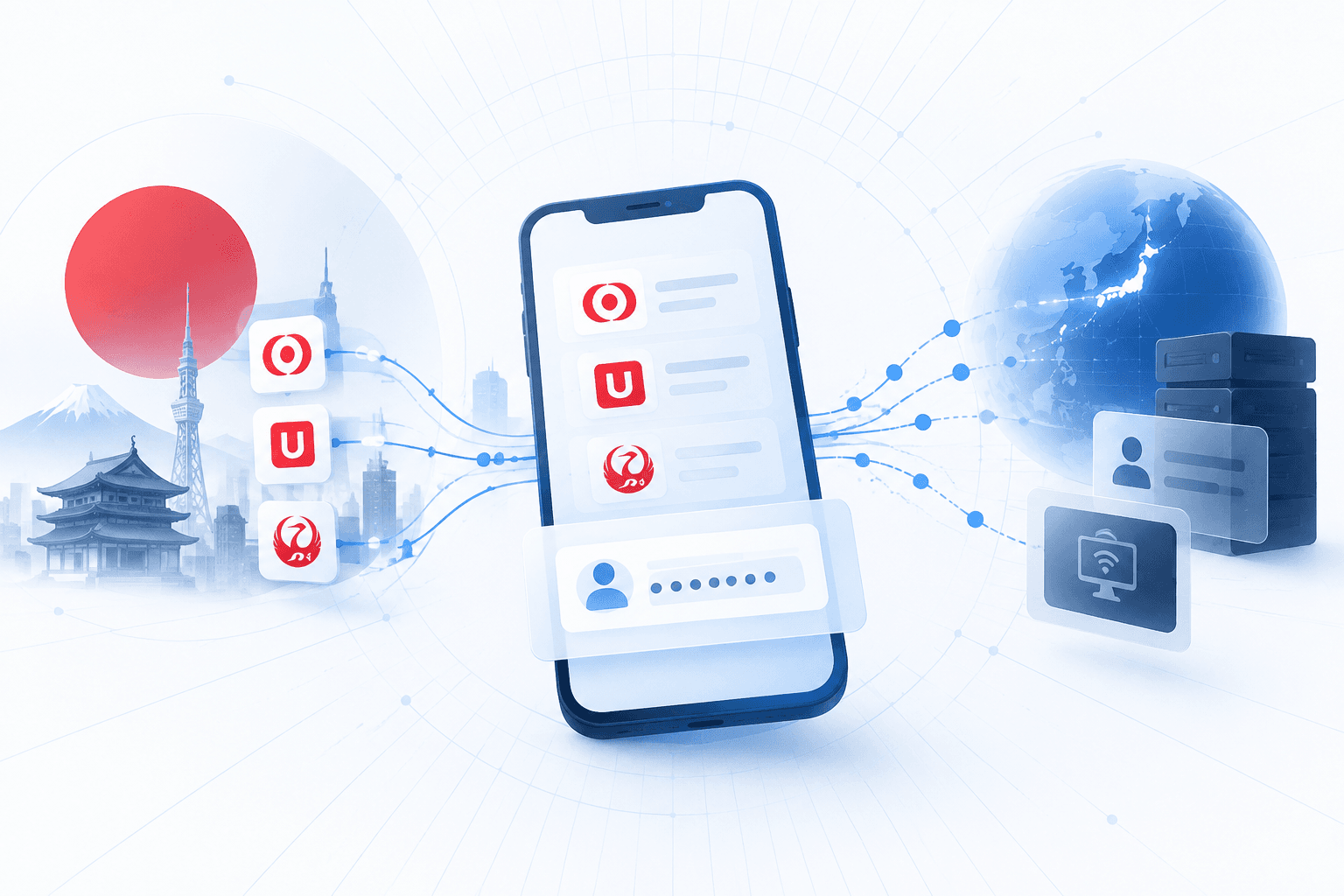
Researchers at STAR Labs identified 64 Android malware samples sharing a common dropper that installs a packed, WebSocket-based remote-access Trojan (RAT). The likely financially motivated operation impersonates Japanese financial and government services, as well as investment, romance and entertainment apps. Its web control panels carry either “Black Hawk Android Remote Control” or “Eagle Android Remote” branding, with identical login pages and a shared Chinese-language tagline. Both variants were simultaneously active on October 16, but the evidence does not establish whether separate operators share a builder or one operator uses multiple brands.
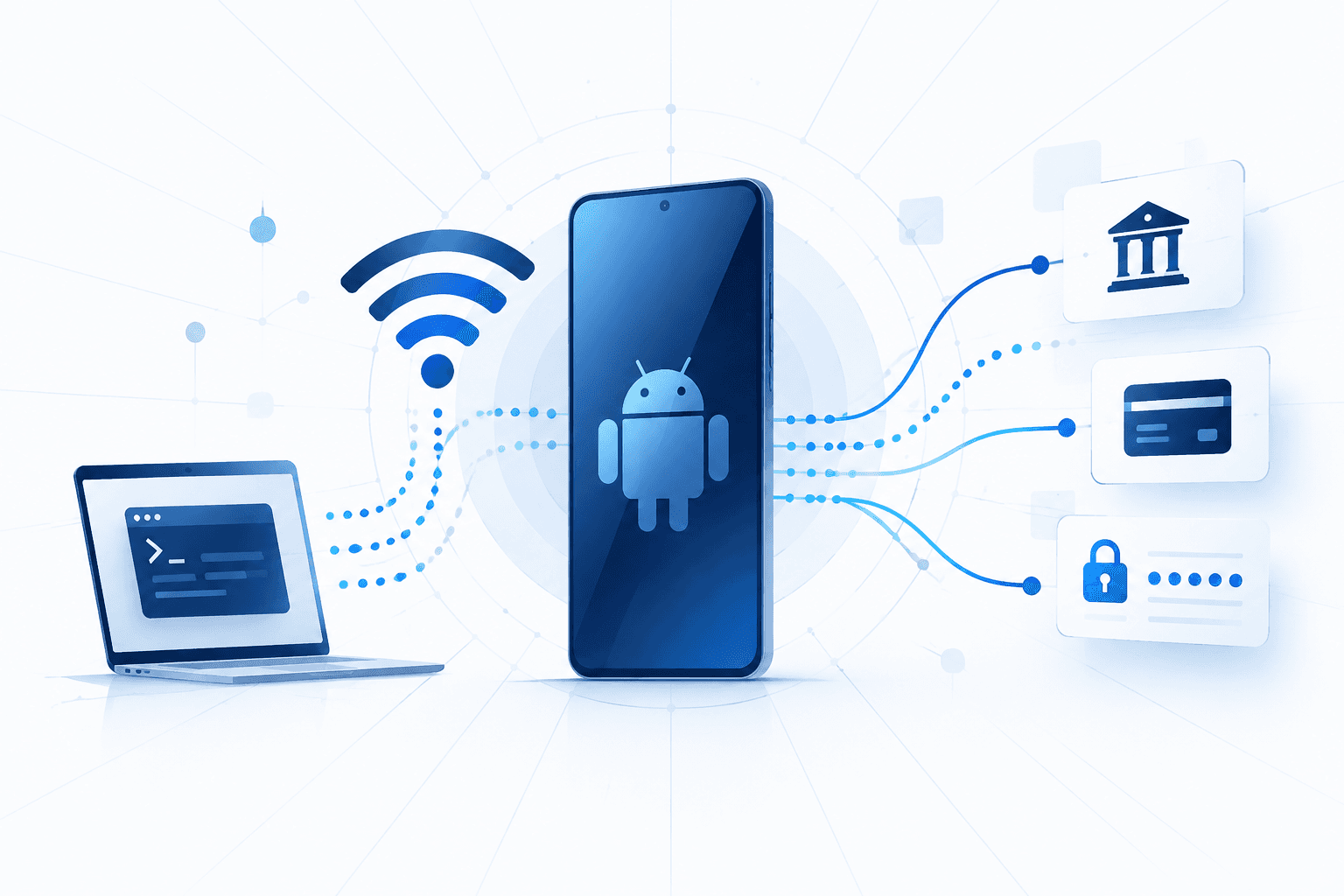
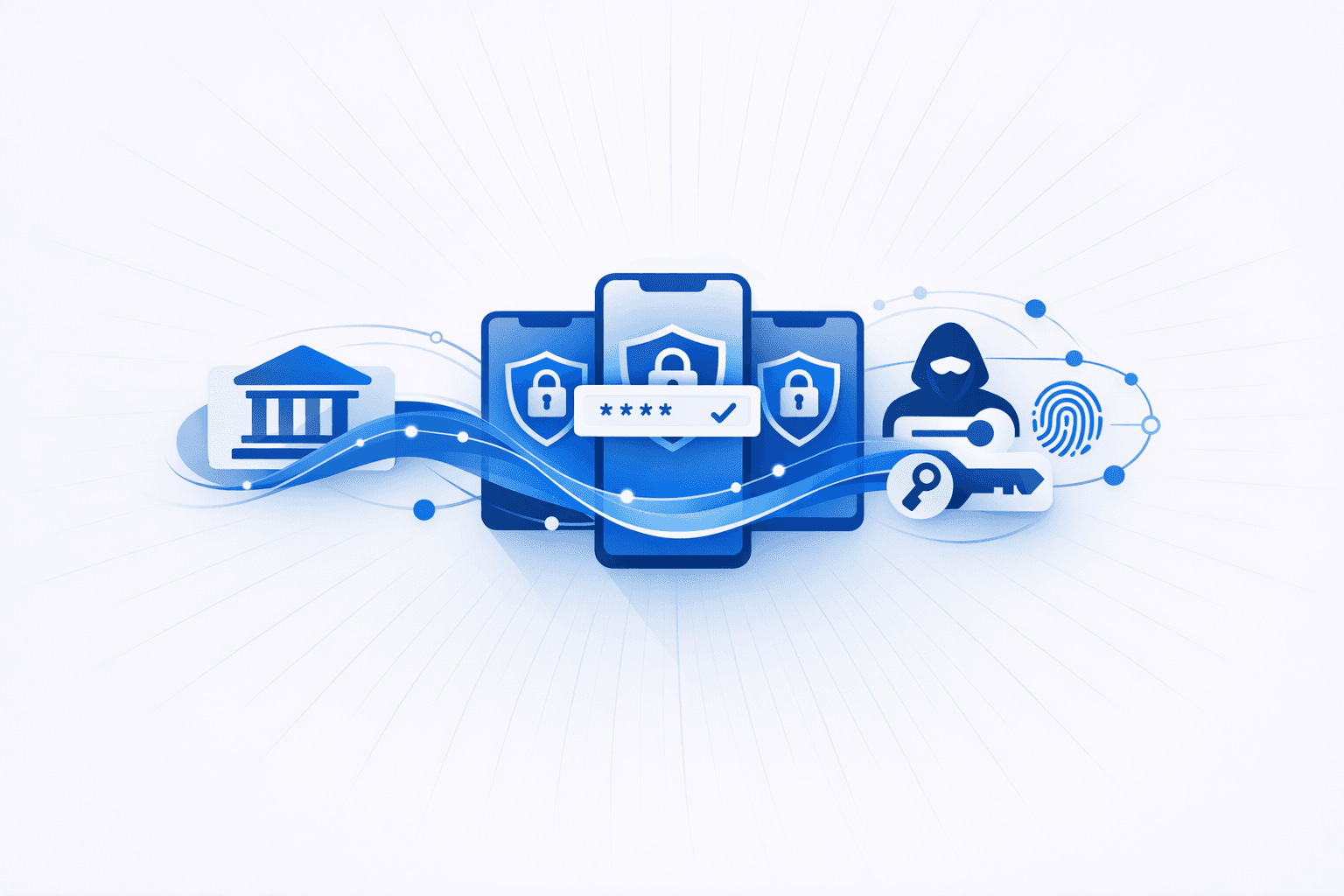
The RAT supports lock-screen credential and payment-input theft, screen streaming, accessibility-based remote control, WebView injection and wireless-ADB self-pairing to gain additional privileges. Samples conceal their payloads using either a simple libsa XOR packer or the open-source nmmp virtual-machine protector, while multiple persistence mechanisms help maintain access. Defenders should prioritize stable component and behavioral fingerprints over the widely reused signing certificate, and avoid treating legitimate brand websites used as cover pages as malicious indicators.
Why it matters
Assessment
A likely financially motivated Android malware operation targets users through apps impersonating Japanese financial and government services, investment products, romance apps, and entertainment apps. The RAT can steal device credentials and payment inputs and remotely operate applications, creating account-takeover, privacy, and financial-fraud risks; researchers identified 64 malicious samples, but did not report victim counts or completed fraudulent transfers.
- Affected populations: Android users installing the impersonating apps, including users of Japan’s e-Tax, Rakuten, SMBC, Saison, Mercari, and LINE services. These impersonations do not establish compromise of the legitimate organizations.
- Operational impact: Screen surveillance, accessibility-driven remote interaction, persistent access, and device-unlock credential capture can expose sensitive personal and business information on affected devices.
- Scope and activity: Samples were first seen September 15–October 16, 2026. Black Hawk and Eagle control panels were simultaneously active on October 16; the evidence does not establish whether one operator uses multiple brands or several operators share a builder.
- Evidence limits: The reporting documents malicious samples and active infrastructure, not a measured infection population or confirmed financial losses.