Mallory
← Back to News
actively-exploited-vulnerabilityinternet-facing-service-vulnerabilitypersistence-methodcredential-access-method

Zimbra SNMP Command Injection Exploited to Deploy Web Shells and Steal Mailboxes

Active Exploitation · 2 sources · Updated 2mo ago · First seen Aug 13, 2026
Zimbra SNMP Command Injection Exploited to Deploy Web Shells and Steal Mailboxes

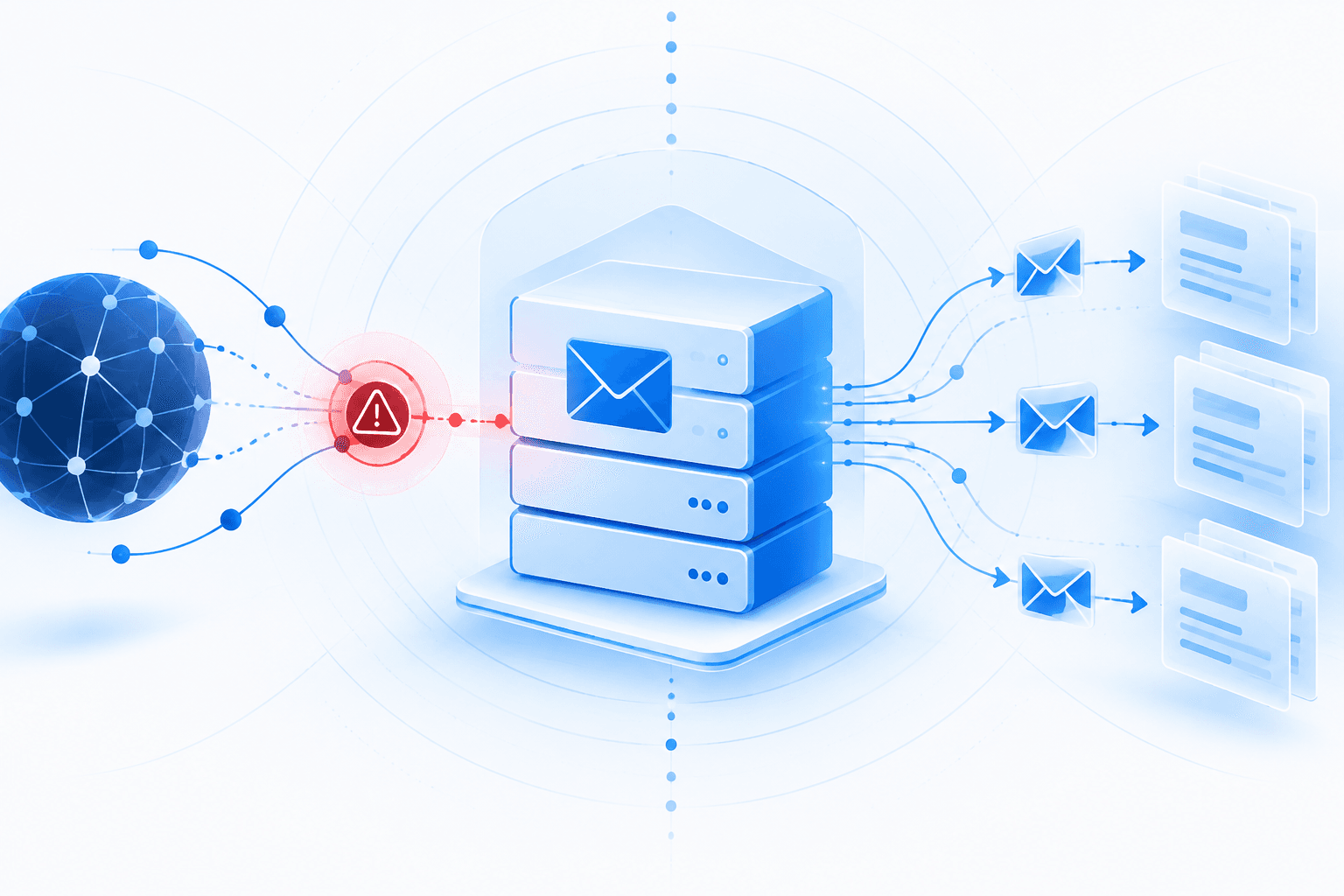
Attackers are exploiting CVE-2026-73570, a command-injection vulnerability in Zimbra Collaboration Suite’s SNMP notification subsystem that enables unauthenticated remote command execution. The flaw carries a CVSS score of 8.9. Synacor reportedly patched it in version 10.1.20 on July 20, 2026, but delayed disclosure until August 13, giving attackers an opportunity to reverse-engineer the changes. Exploitation includes outbound callbacks to verify execution, deployment of JSP web shells, and abuse of Zimbra utilities to retrieve credentials and export entire mailboxes. Shadowserver reportedly identified approximately 274 compromised production instances, while roughly 10,000 public-facing deployments remained exposed to scanning.

Organizations should upgrade to 10.1.20 or newer, disable SNMP if immediate patching is impractical, investigate unauthorized JSP files, rotate potentially compromised credentials, and restrict administrative access. Patching alone does not remove existing attacker access, making compromise assessment essential. Separately, CERT Polska has reported credential theft through a UNC1151 campaign exploiting Roundcube and a new wave of NGate NFC-relay malware targeting Polish bank customers; these are distinct campaigns, with no reported link to the Zimbra exploitation.

Why it matters

Organizations operating internet-facing Zimbra Collaboration Suite with the vulnerable SNMP notification processing path face unauthenticated server compromise, credential theft, and export of entire mailboxes. The InfoQ reference reports active exploitation and approximately 274 compromised production instances; roughly 10,000 public-facing deployments were exposed to scanning, not confirmed vulnerable or compromised. Mailbox theft exposes sensitive business communications, while stolen administrative and service credentials create persistent access and potential downstream compromise.

  • Primary exposure: Enterprise email infrastructure using the optional zimbra-snmp package and vulnerable notification processing. The supplied material does not establish the complete affected-version range.
  • Business consequences: Loss of email confidentiality, account takeover, incident-response costs, and disruption during containment and recovery.
  • Exploitation window: Scanning and backdoor deployment reportedly occurred during late July and August 2026, before many operators understood the patch's security significance.
  • Separate context: CERT Polska describes UNC1151 credential theft against Polish entities through Roundcube and NGate NFC-relay malware targeting Polish bank customers. No connection to the Zimbra exploitation is reported; the CERT reference also includes older threat reporting rather than a single contemporaneous campaign.

This is being exploited nowSee which actors are running it and whether you're in range.
Check your exposure
Event timeline

How this story unfolded

Events from the most recent confirmed update back to the earliest known activity.

12 events · 2024 – Aug 13, 2026
  1. Reported Oct 13, 20262mo ago

    Shadowserver observes approximately 274 compromised Zimbra instances

    Following disclosure, the Shadowserver Foundation observed approximately 274 compromised production Zimbra instances. The reference separately reported roughly 10,000 public-facing deployments exposed to scanning, without establishing that all were compromised.

    ZCS Command Injection via SNMP Handlers Enables Unauthenticated Remote Code Execution - InfoQ
  2. Reported Oct 13, 20262mo ago

    Zimbra attackers deploy web shells and steal mailbox data

    Attackers confirmed command execution with outbound callbacks, deployed JSP web shells, and used native Zimbra utilities to obtain credentials and export complete mailboxes. Mailbox data was staged in encrypted archives and exfiltrated to external cloud buckets.

    ZCS Command Injection via SNMP Handlers Enables Unauthenticated Remote Code Execution - InfoQ
  3. Aug 13, 20264mo ago

    Synacor publicly discloses CVE-2026-73570

    Synacor publicly disclosed the CVSS 8.9 vulnerability after releasing its fix. Improper sanitization in Zimbra's SNMP notification subsystem allows unauthenticated attackers to execute operating-system commands as the Zimbra user.

    ZCS Command Injection via SNMP Handlers Enables Unauthenticated Remote Code Execution - InfoQ
  4. Jul 20, 20264mo ago

    Synacor patches Zimbra command-injection vulnerability

    Synacor released Zimbra Collaboration Suite version 10.1.20 to fix CVE-2026-73570. The fix replaced shell-concatenated execution with parameter arrays passed directly to execve.

    ZCS Command Injection via SNMP Handlers Enables Unauthenticated Remote Code Execution - InfoQ
  5. Jul 2026

    Attackers reverse-engineer Zimbra patch and probe exposed servers

    Attackers reverse-engineered the patch and began scanning public Zimbra instances during the disclosure delay. Microsoft and CERT Polska observed enterprise mail infrastructure being probed in late July and throughout August 2026.

    ZCS Command Injection via SNMP Handlers Enables Unauthenticated Remote Code Execution - InfoQ
  6. 2024

    Phishing campaigns target Polish users' credentials in 2024

    Phishing campaigns targeted credentials for popular email and social media services and impersonated classified-ad platforms including OLX and Allegro.

    Cert Polska
  7. Date unknown

    CERT Polska publishes first monthly report covering September 2025

    CERT Polska published its first monthly report summarizing incidents and threat trends for September 2025.

    Cert Polska
  8. Date unknown

    CERT Polska releases annual report covering 2024

    CERT Polska released an annual report covering 2024, highlighting record activity and key cybersecurity challenges.

    Cert Polska
  9. Date unknown

    CERT Polska launches moje.cert.pl cybersecurity platform

    CERT Polska launched moje.cert.pl to provide cybersecurity services and threat notifications. The reference reports that the platform serves more than 11,000 registered users.

    Cert Polska
  10. Date unknown

    Critical vulnerabilities identified in Kubernetes Ingress-Nginx

    Researchers identified CVE-2025-1097, CVE-2025-1098, CVE-2025-24513, CVE-2025-24514, and CVE-2025-1974 in the Ingress-Nginx controller. The reported vulnerabilities allow unauthenticated remote code execution.

    Cert Polska
  11. Date unknown

    UNC1151 exploits Roundcube in campaign against Polish entities

    UNC1151 conducted an email campaign against Polish entities that exploited a Roundcube vulnerability to steal credentials.

    Cert Polska
  12. Date unknown

    CERT Polska observes NGate-related malware targeting Polish bank users

    CERT Polska observed a new wave of mobile malware samples associated with the NGate NFC relay attack targeting users of Polish banks.

    Cert Polska
Linked entities

Related entities

Vulnerabilities, threat actors, malware, products, organizations, and breaches Mallory has linked to this story.

Open in app →

Affected products

1 linked
Zimbra Collaboration Suite
Do you run this?Correlate live exploitation activity against the software you actually run, and see where you're exposed.
See Who's Exploiting This
Mallory platform

See the full picture, correlated to your attack surface.

This page covers what’s public. Mallory adds the parts that aren’t: which of your assets are affected, which threat actors are using it right now, and what to deploy next.

Exposure mappingMap indicators from this story to your assets and identify affected systems in minutes.
Threat actor evidenceEvery observed campaign, victim, and pivot linked to actors named in this story.
Associated malwareMalware, exploits, and IOCs connected to the activity described here.
Detection signaturesYARA, Sigma, and Snort rules deployed to your SIEM as soon as they’re published.
Scheduled alertsGet matching new stories delivered to your team as they break, not the next morning.
AI threadsAsk questions about this story and take action on the answers.