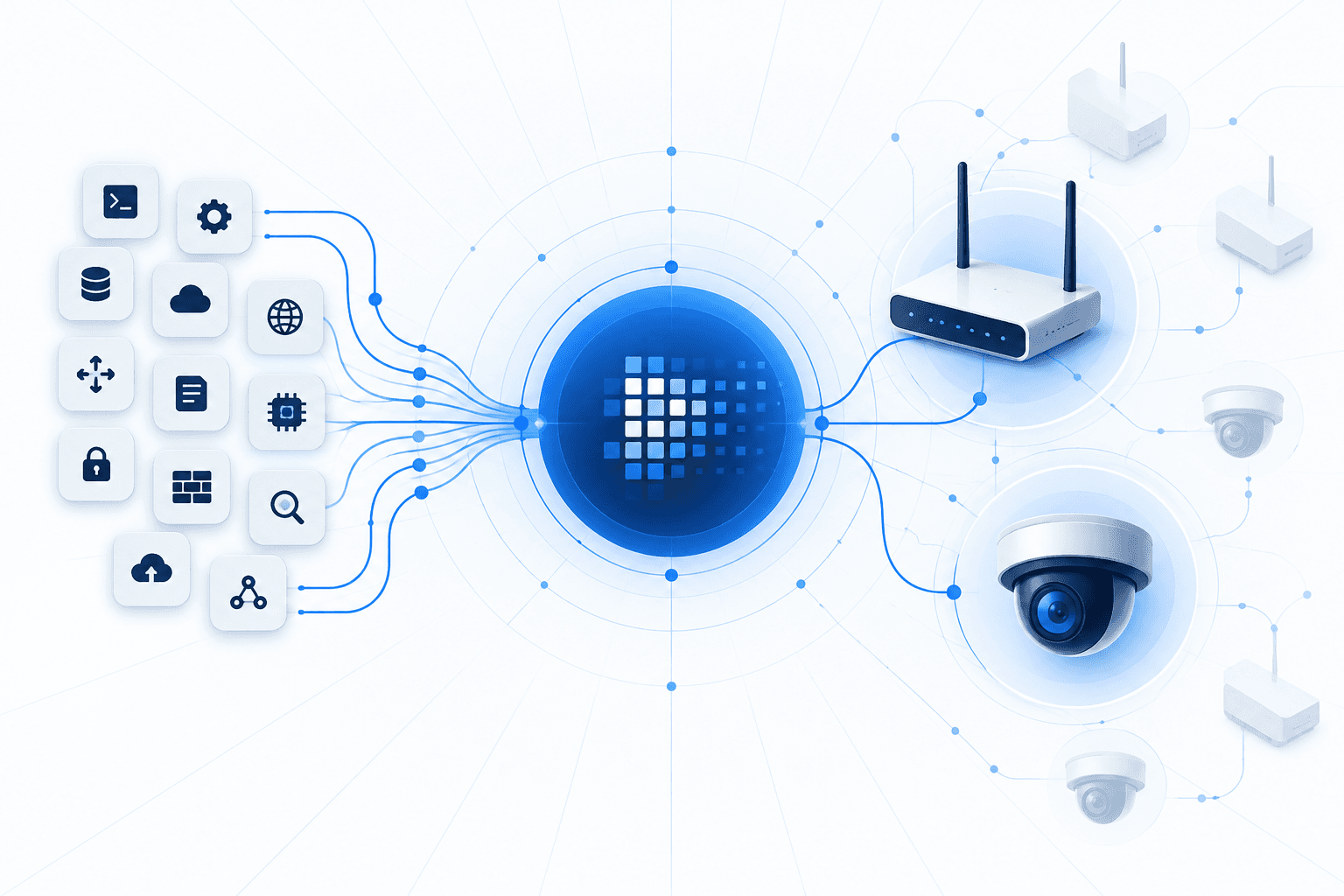
Mirai Variant Hides Command-and-Control Server on Tor via SOCKS5 Proxies
Malware Intelligence · 1 source · Updated 2mo ago · First seen Jul 31, 2019
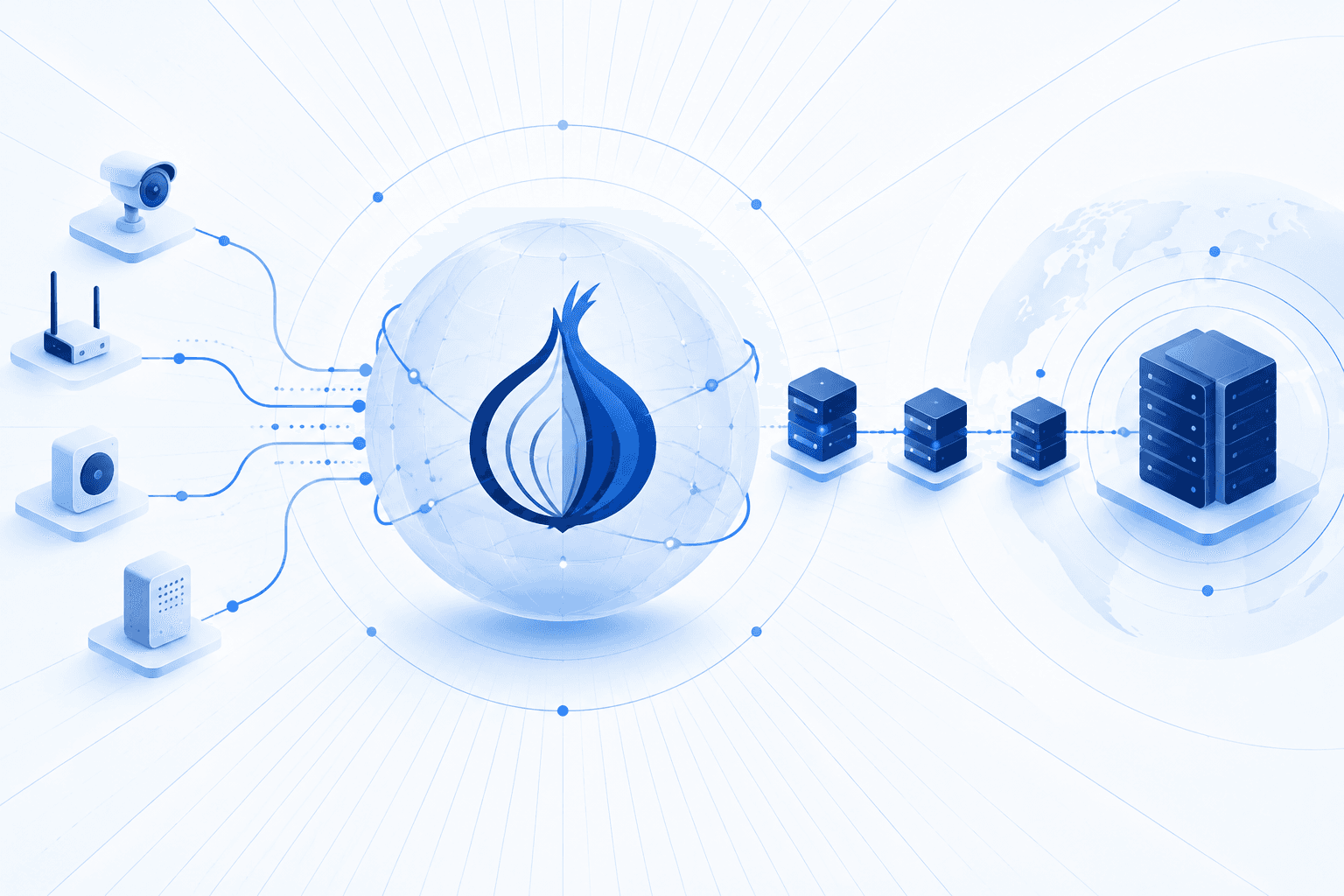
Trend Micro researchers identified a Mirai IoT malware variant that uses SOCKS5 proxies to communicate with a command-and-control server hidden on Tor, complicating infrastructure tracking and takedown. The sample contains 30 hard-coded proxy IP addresses and scans TCP ports 9527 and 34567 to target exposed devices, including IP cameras and DVRs, using possible default credentials. Researchers also identified a command consistent with a UDP-flood DDoS attack and related payloads for multiple device architectures on distribution servers.
The malware’s configuration is XOR-encrypted with 0x22, and the embedded string “LONGNOSE: applet not found” provides a potential identifier for the variant. Organizations should prioritize patching internet-exposed IoT devices and replacing default credentials, alongside signature- and behavior-based detection. Defenders can use the reported scanning ports, embedded string, and proxy-based communications as investigative leads rather than relying solely on visibility into the hidden command-and-control server.
Why it matters
Organizations operating internet-exposed IP cameras, DVRs, and other Linux-based IoT devices risk unauthorized device control and recruitment into a DDoS botnet. Compromise can consume network capacity, disrupt device operations, and support attacks against third parties; the reference documents malware analyzed in July 2019, not evidence of an active campaign in October 2026.
- Affected population: Operators of exposed IoT devices, particularly devices with accessible remote-management services and unchanged default credentials.
- Exposure scope: Random-IP scanning and payloads for multiple architectures indicate broad targeting rather than a sector-specific campaign. The report does not establish the number of compromised devices.
- Operational risk: Tor-hosted command and control, reached through multiple SOCKS5 proxies, complicates infrastructure attribution and takedown.
- Observed activity: Researchers analyzed malware and contacted its command-and-control service in a test environment. They identified a command consistent with UDP flooding; the supplied reference does not document a resulting production DDoS incident or data theft.