Leaked Conti Affiliate Manuals Expose Credential Theft and Extortion Playbook
Threat Actor Intelligence · 2 sources · Updated 2mo ago · First seen Jun 13, 2022
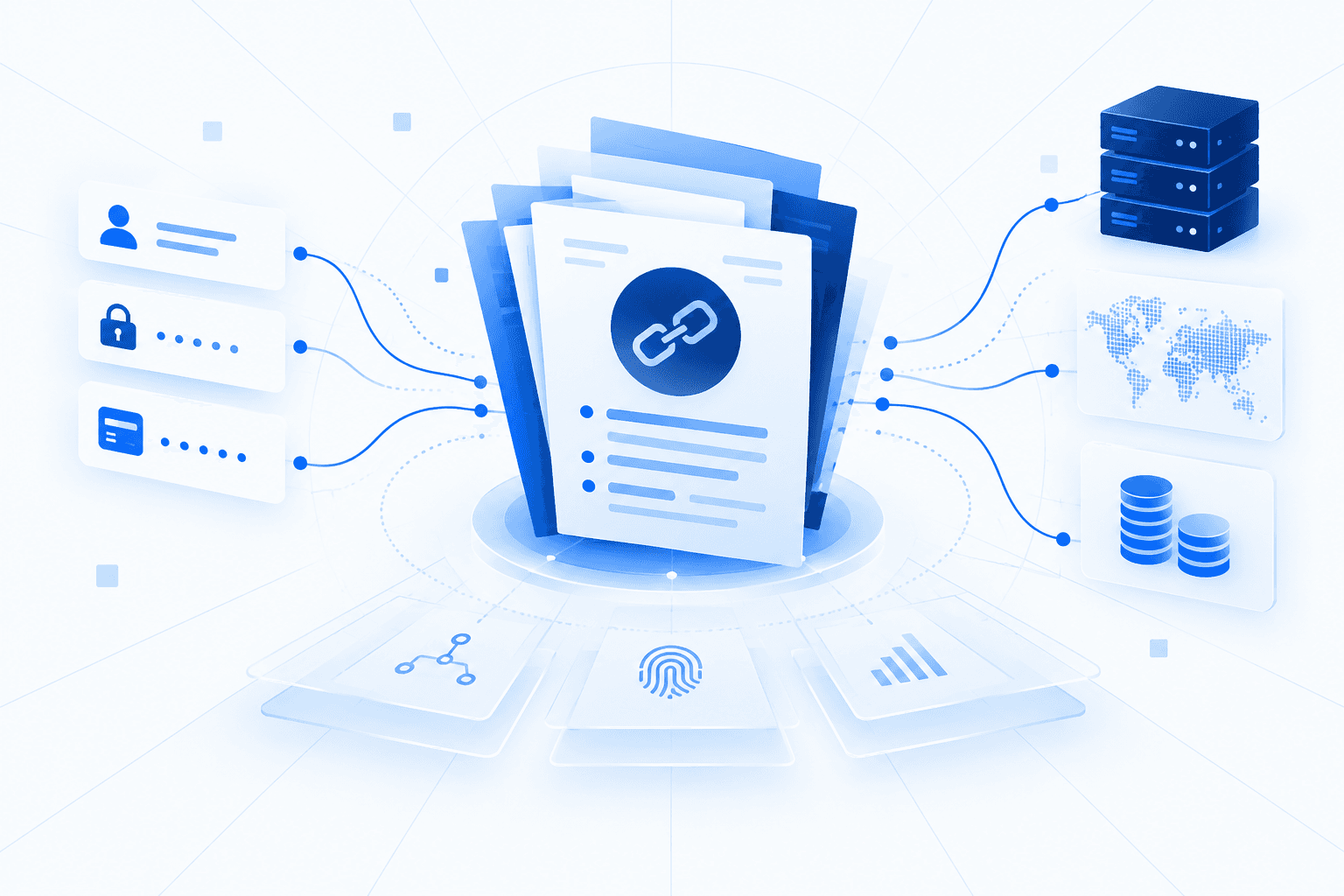
Internal documentation leaked by a self-described Conti penetration tester exposed how the ransomware group guided affiliates through reconnaissance, credential theft, privilege escalation, persistence, lateral movement, data exfiltration, and encryption. FortiGuard Labs and ReliaQuest described instructions to exploit Zerologon and PrintNightmare, pursue privileged administrator accounts, maintain access through remote-access tools, and blend into legitimate administrative activity to avoid detection. Operators assessed victims’ revenue and searched for financial records, cybersecurity insurance policies, backups, and hypervisors to strengthen ransom demands and maximize disruption.
The manuals described using rclone and MEGA to exfiltrate data before encryption, supporting Conti’s theft-and-encryption extortion model. They also referenced Linux and VMware ESXi encryption capabilities, although FortiGuard had not observed those variants in the wild when its August 2021 report appeared. ReliaQuest’s June 2022 analysis noted that Conti had shut down operations in May 2022 and recommended least privilege, credential auditing, process-hierarchy monitoring, enhanced PowerShell auditing, and detection of suspicious Volume Shadow Copy access to counter the documented techniques.
Why it matters
The leaked Conti affiliate manuals document a domain-wide ransomware playbook combining credential theft, data exfiltration, backup disruption, and encryption to maximize extortion leverage. Organizations with Windows Active Directory, privileged administrator accounts, accessible backup infrastructure, and VMware environments face potential data disclosure and prolonged operational outages; these are historical reports from 2021–2022, not evidence of a new Conti campaign in October 2026.
- Affected populations: Enterprises across industries, including healthcare, with particular exposure around financial records, client information, administrator credentials, and cybersecurity insurance documents.
- Business consequences: Theft creates confidentiality, regulatory, and reputational exposure even if backups restore encrypted systems. Compromised domain administrators, backup systems, or hypervisors can expand disruption across an organization.
- Documented incident: FortiGuard linked Conti to the Irish Health Service attack, which disrupted services and reportedly involved exfiltration of more than 700 GB of personally identifiable information and database data.
- Scope and limitations: The manuals describe broadly reusable affiliate tradecraft rather than a single targeted campaign. ReliaQuest reported that Conti shut down operations in May 2022; FortiGuard had not observed the documented Linux or VMware-targeting variants in the wild when its August 2021 report appeared.