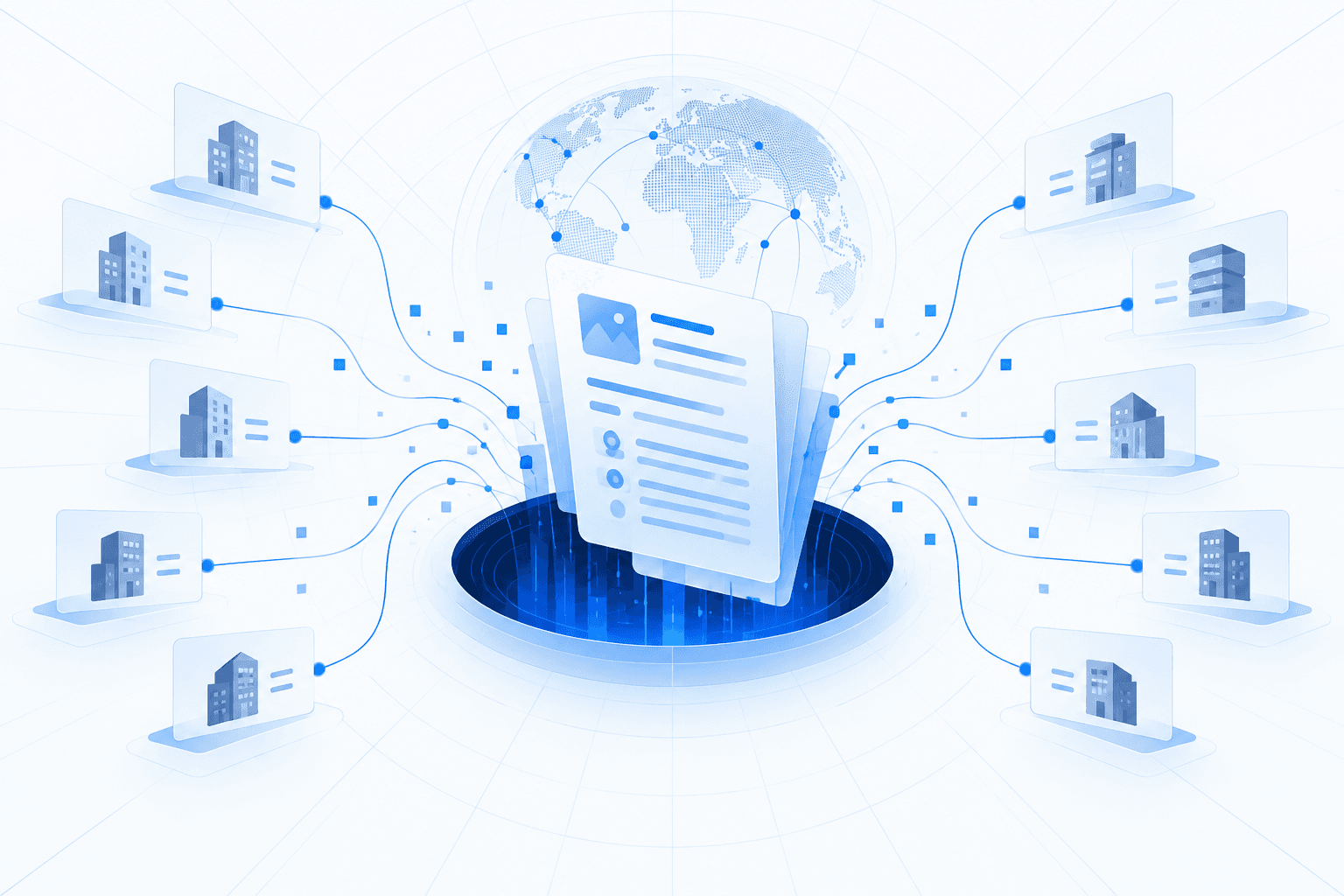
The Gentlemen Ransomware Expands Through Affiliate Recruitment and Compromised VPN Access
Threat Actor Intelligence · 4 sources · Updated 2mo ago · First seen Mar 30, 2026
The Gentlemen, a financially motivated, Russian-speaking ransomware-as-a-service operation, has become one of the world’s two most active ransomware groups after splitting from Qilin’s affiliate programme in July 2025. Comparitech reported 600 claimed attacks between January and July 2026, second to Qilin’s 771, but only 68 were confirmed by targeted organizations; confirmed incidents involved approximately 787,400 breached records. Belgium’s Centre for Cybersecurity reported 269 victims in Q2 2026, including at least six confirmed Belgian victims, and impacts on critical infrastructure elsewhere in the EU. The operation reportedly emerged from Qilin affiliate ArmCorp following a payment dispute, offers affiliates 90% of ransom proceeds, and announced a BreachForums partnership. Manufacturers represented roughly 24% of claimed victims, with healthcare, government and education also targeted.
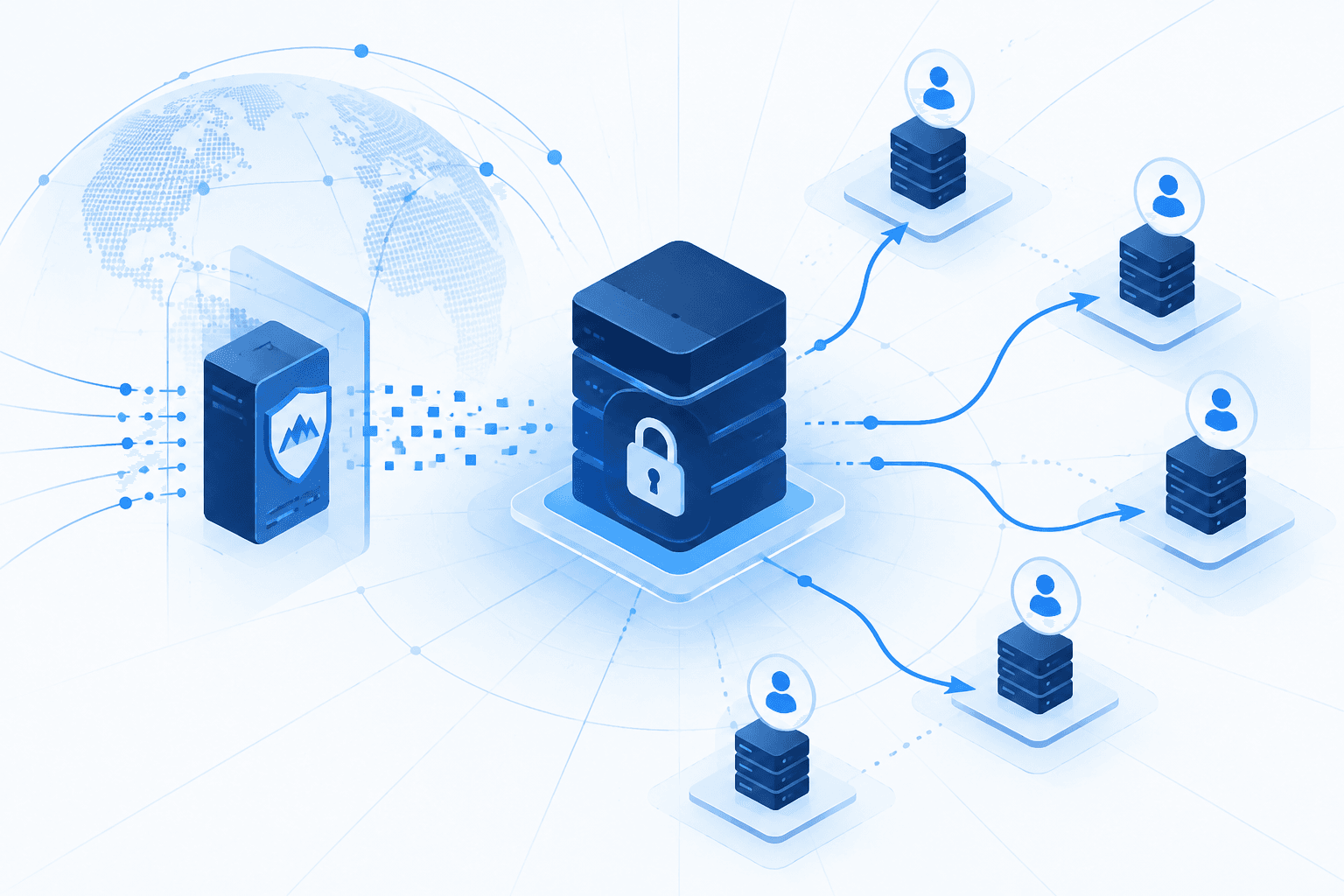
The group supports affiliates with encryption and self-propagation capabilities, an operator-maintained endpoint detection and response (EDR) killer service, and a shared pool of compromised FortiGate devices and validated VPN credentials. Observed intrusions exploit known vulnerabilities using public proof-of-concept exploits; no zero-day capability has been identified. Comparitech linked rising activity to recruitment and rumored exploitation of CVE-2025-32433 and CVE-2025-33073, but did not establish exploitation of either vulnerability. Belgian authorities assess with moderate confidence that the operation is independently based in Russia or a Russian-speaking CIS jurisdiction, with no evidence of direct Russian state tasking or control. Defenders should prioritize patching internet-facing systems, reviewing VPN access and credentials, and hardening endpoint defenses against tampering.
Why it matters
The Gentlemen is a rapidly expanding ransomware-as-a-service operation targeting organizations globally, with manufacturing most heavily represented and confirmed incidents across healthcare, government, education, and critical infrastructure. Its combination of data theft, encryption, and service disruption creates substantial operational, privacy, financial, and recovery exposure; exploitation and victim incidents are documented, but claimed attack totals substantially exceed confirmed cases.
- Scale: Comparitech recorded 600 claimed attacks during January–July 2026, of which 68 were confirmed, involving approximately 787,400 breached records. Manufacturers accounted for approximately 24% of claims.
- European exposure: Belgium’s Centre for Cybersecurity (CCB) reported 269 victims in Q2 2026, at least six confirmed Belgian victims, and impacts on critical infrastructure elsewhere in the EU.
- Demonstrated disruption: Anderlues la Commune experienced nearly a month of system paralysis. IntraCare suspended medical procedures following its March 2026 attack and resumed them on March 30.
- Demonstrated data exposure: Hospital Caribbean Medical Center notified 92,000 people; MEDICUS SHUPPAN reported 641,000 affected personal-data entries, potentially including duplicates rather than distinct individuals.
- Expansion drivers: A 90% affiliate revenue share, recruitment, access-broker relationships, and centrally supplied VPN access lower the barrier to conducting intrusions at scale.
- Attribution: CCB assesses a Russia or Russian-speaking CIS base with moderate confidence. The references establish no direct Russian state tasking or collaboration; geography alone does not establish state sponsorship.