NSA Restructuring Elevates AI, China and Cybersecurity as Threats Accelerate
Emerging Technology Risk · 2 sources · Updated 2mo ago · First seen Oct 6, 2026
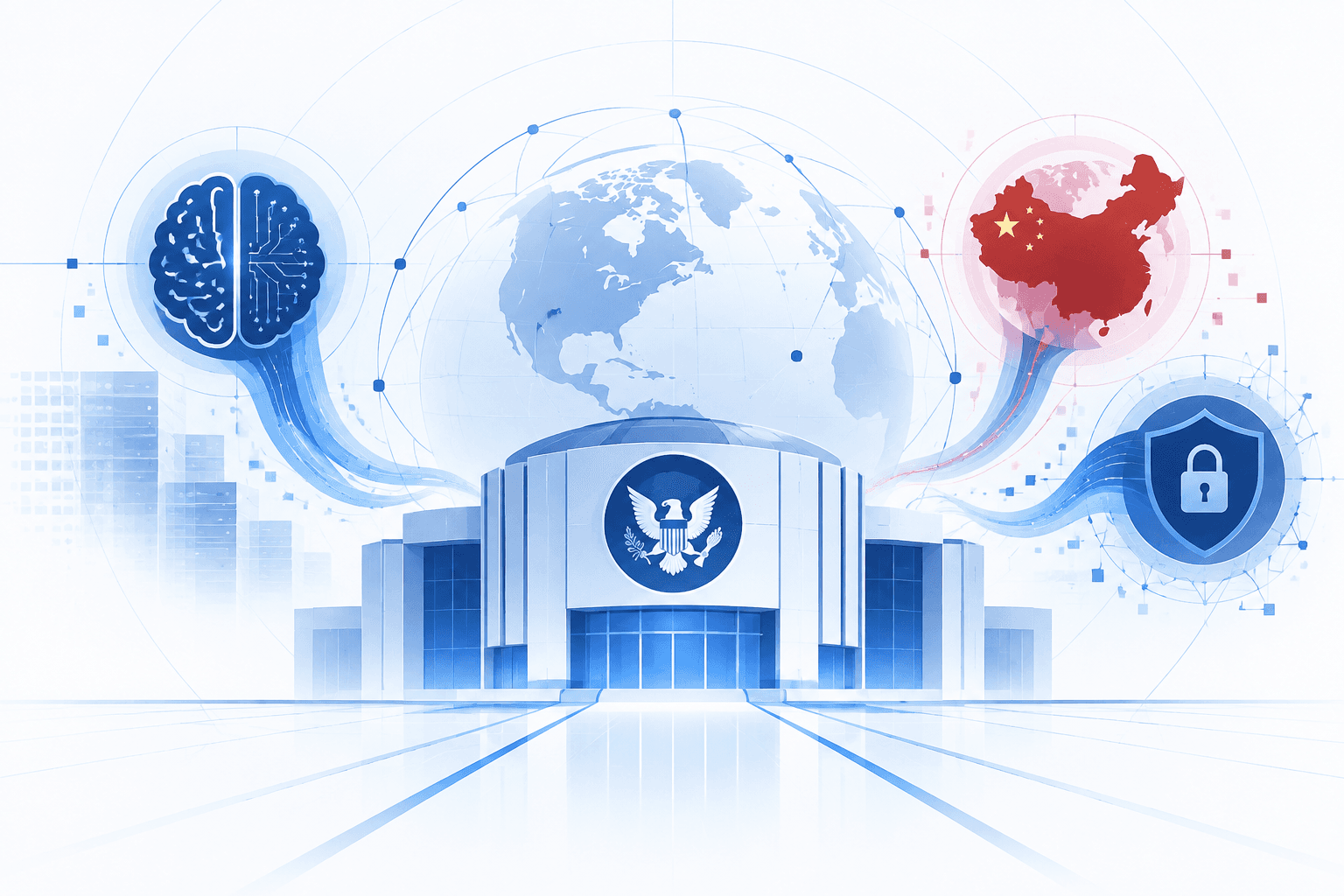
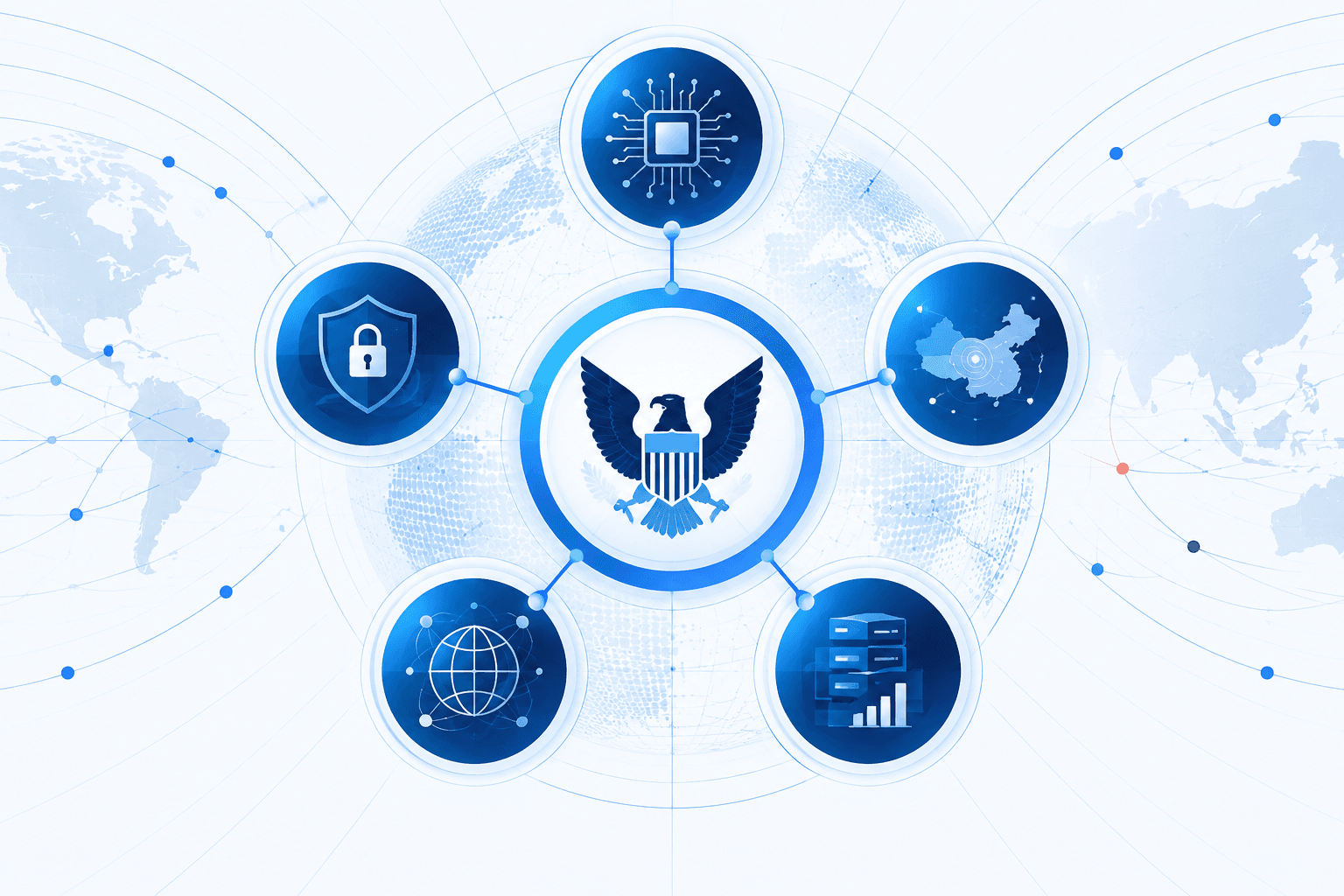
The National Security Agency is reportedly reorganizing into five organizations focused on artificial intelligence, China, cybersecurity, combat support and global intelligence, each led by a newly elevated mission director. Former NSA Director Paul Nakasone told VulnCheck’s ThreatCon1 conference that the overhaul is “probably needed” to address evolving threats, but cautioned that its effectiveness will depend on implementation.
Nakasone warned that adversaries are moving laterally through compromised systems much faster, narrowing defenders’ response windows. He argued that security teams have a temporary opportunity to adopt AI before attackers fully exploit its offensive capabilities against critical infrastructure and sensitive organizations. Competition for technical talent, an aging national security workforce and potential government cybersecurity pay cuts could complicate recruitment and retention, undermining the agency’s ability to execute the changes.
Why it matters
Summary
The reported NSA restructuring affects U.S. intelligence, cybersecurity and military-support missions, with implications for critical infrastructure and sensitive organizations that depend on government threat intelligence and defensive support. Execution delays, technical-talent shortages and potential cybersecurity pay cuts could weaken readiness as faster intrusions compress response windows; neither reference documents a specific compromise, operational outage or financial loss.
Supporting facts
- SCWorld, October 7, 2026: Reports five NSA organizations focused on artificial intelligence, China, cybersecurity, combat support and global intelligence, each led by a mission director.
- CyberScoop, October 6, 2026: Former NSA and U.S. Cyber Command Director Paul Nakasone said implementation will determine whether the restructuring succeeds and warned that institutional changes take time.
- CyberScoop: Nakasone cited national security workforce figures of an average age of 47, half older than 50, 10% younger than 30 and 13.5% immediately eligible for retirement. These are not identified as NSA-specific figures.
- Scope: Strategic government-wide readiness concerns, not a newly disclosed enterprise exposure or targeted attack campaign. China is identified as a strategic competitor, not attributed to a specific incident.