RatHat Android Banking Trojan Uses Gemini to Rank and Control Victims
Malware Intelligence · 5 sources · Updated 2mo ago · First seen Sep 28, 2026

Researchers at Cleafy identified nearly 100 deployments of the RatHat Android banking trojan between April and September 2026, finding a rapidly evolving malware-as-a-service platform behind an implant that has otherwise changed little since late 2025. Its command-and-control panels progressed from Fisher to BlackCat Remote Control Management and Panda Workshop V5/V6, enabling operators to build, sign, host, regenerate, and administer malicious Android applications. Victims are lured through SMS messages and online advertisements to third-party download sites.
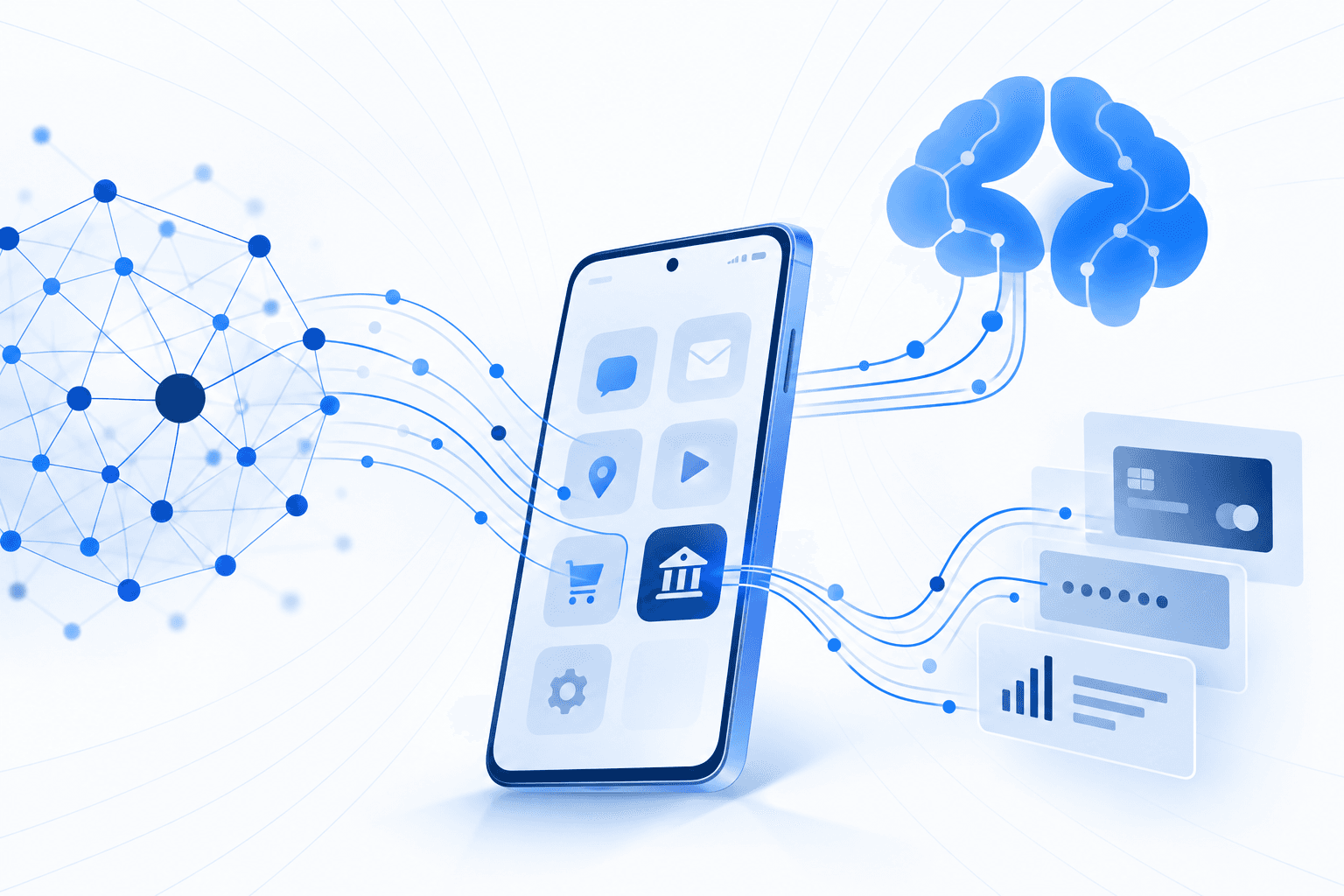
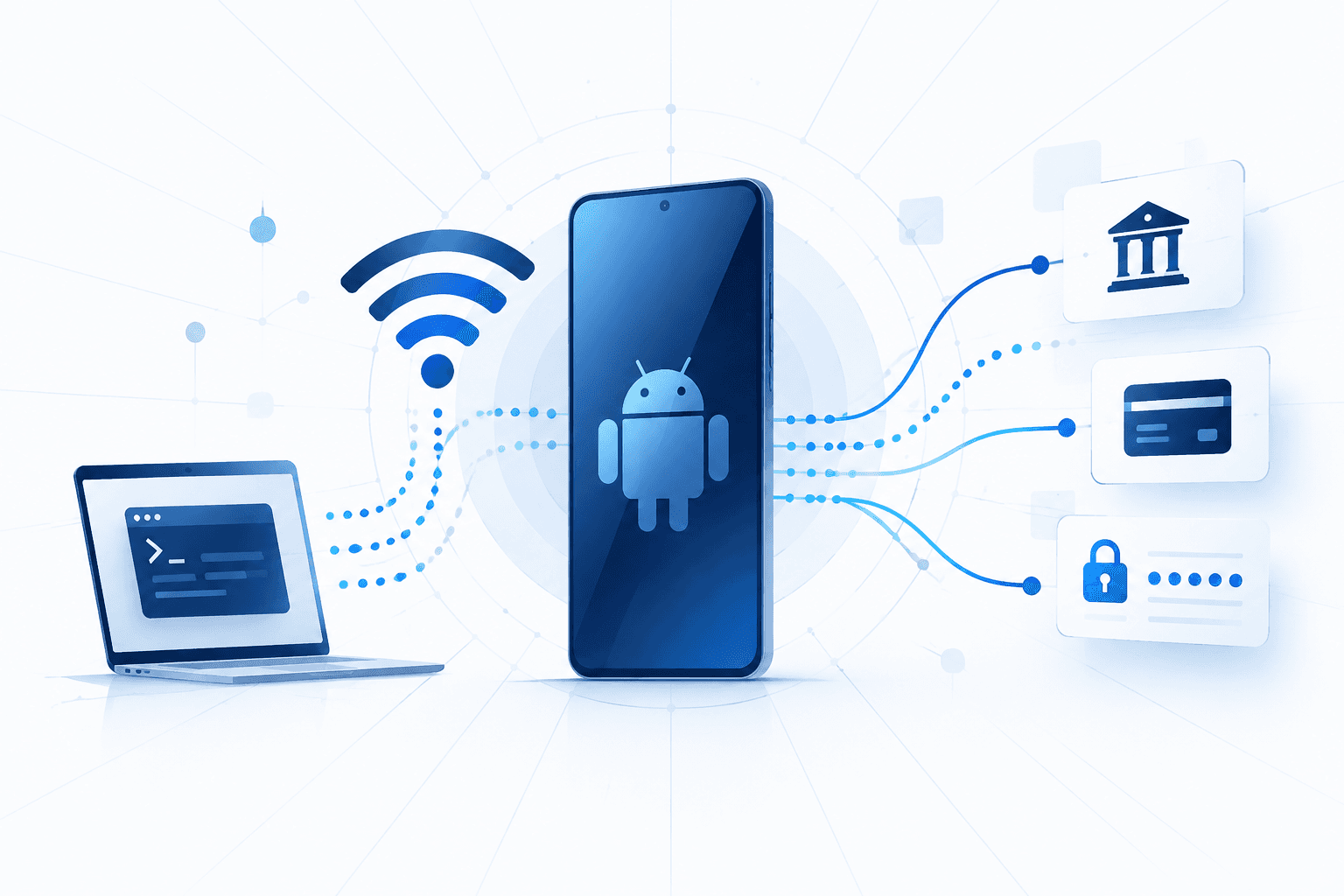
RatHat abuses Android Accessibility services to activate wireless ADB debugging and gain a UID 2000 shell, allowing remote screen monitoring and input control. Operators can deploy a native Go component that persists after the malicious app is removed, retaining shell-level access until the device restarts. Panda Workshop V6 uses Google Gemini to estimate and rank victims by bank balance using harvested SMS data, while the implant can invoke an LLM to identify where to tap in unfamiliar device interfaces when conventional automation fails.
Why it matters
Impact assessment
RatHat exposes Android users—particularly banking customers in Europe, Latin America, and Southeast Asia—to credential theft, SMS interception, remote device control, and targeted financial fraud. Cleafy observed nearly 100 deployments from April through September 2026, indicating a scalable malware-as-a-service ecosystem rather than an isolated campaign.
- Victims are lured through phishing SMS and malicious advertisements to third-party APK download sites.
- Accessibility abuse followed by wireless ADB pairing grants the attackers Android shell access as UID 2000, exceeding the malicious app's ordinary permission boundary.
- Attackers can collect SMS messages, credentials, contacts, photos, files, and installed-application data; fake banking overlays capture victim-entered credentials.
- A detached native service can survive removal of the visible malicious app until device reboot, extending attacker access and complicating user-led remediation.
- Operators use Gemini-based SMS analysis to estimate bank balances and prioritize high-value victims. Researchers found no analyzed sample using AI-guided navigation to execute fraudulent transfers.
- The impact is greatest on Android versions before Android 14, where shell-level testing tools can capture screens and inject input without MediaProjection consent or a persistent recording indicator.