Ransomware Groups Abuse Vulnerable Drivers to Disable EDR
Attack Tradecraft · 3 sources · Updated 2mo ago · First seen Apr 3, 2026
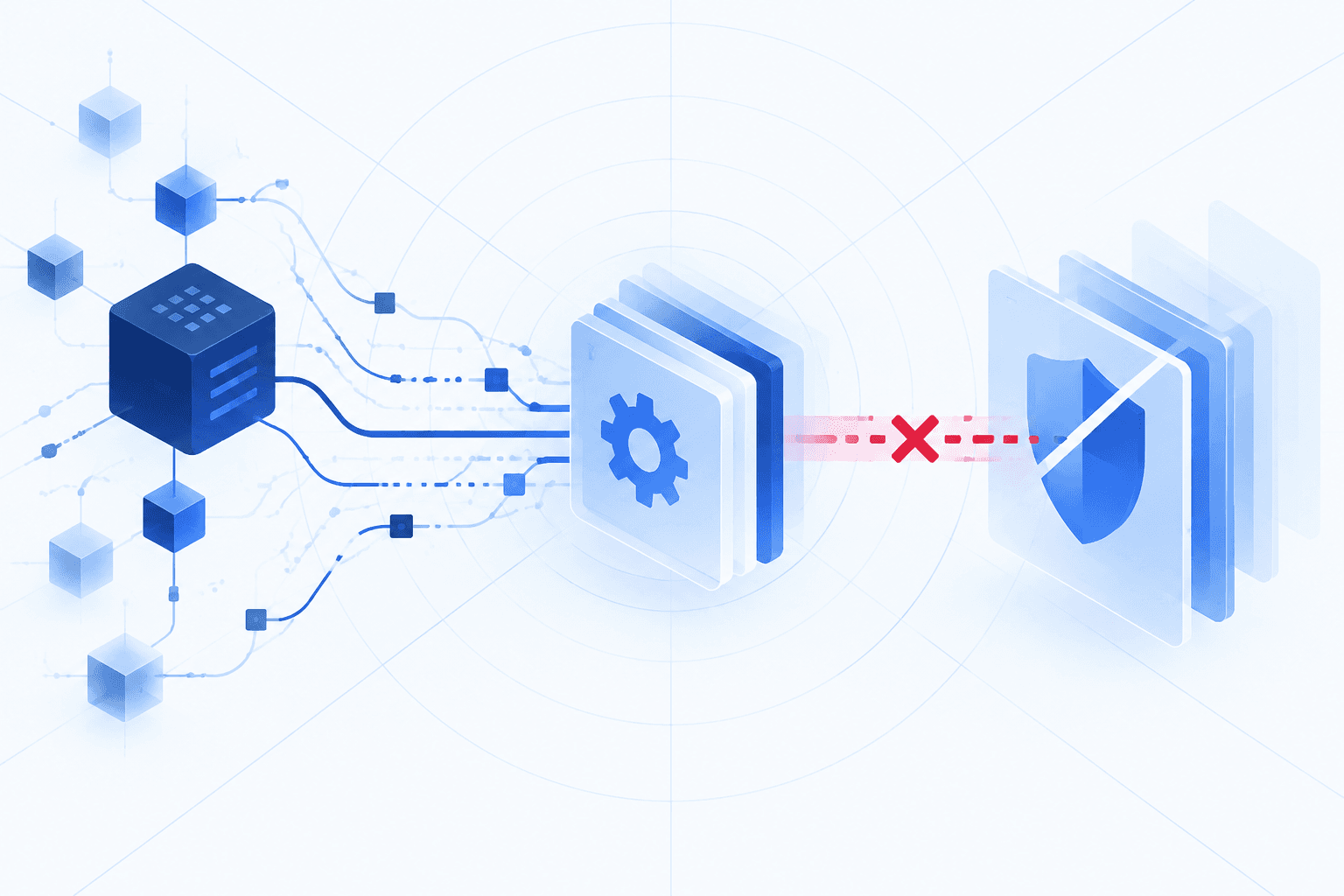
Ransomware operators are using Bring Your Own Vulnerable Driver (BYOVD) attacks to load legitimately signed but flawed Windows kernel drivers, gain ring-0 access, and terminate security products protected by Protected Process Light (PPL). Reported examples include the WatchDog Antimalware v1.1.100 and eb kernel drivers, whose unauthenticated IOCTL interfaces can reportedly be abused to kill protected processes. Qilin's Killer Ultra and RansomHub's EDRKillShifter have used the technique through user-mode launchers that drop, load, and control vulnerable drivers.
Defenders should detect the sequence of suspicious driver drops, rapid driver installation or loading, low-prevalence driver hashes, and subsequent termination of endpoint-security processes. Organizations should inventory and baseline deployed drivers, enforce Windows Defender Application Control (WDAC) driver policies, enable Microsoft’s Vulnerable Driver Blocklist and HVCI, maintain EDR tamper protection, and restrict administrative privileges to reduce exposure to known vulnerable drivers, including those catalogued by LOLDrivers.
Why it matters
Impact assessment
Ransomware affiliates are actively using BYOVD techniques to neutralize EDR and antivirus controls before encryption, materially increasing the likelihood of successful enterprise-wide ransomware deployment, data theft, and recovery disruption. Windows endpoints and servers where attackers can obtain administrative privileges and load vulnerable signed drivers are exposed; the technique is relevant across sectors rather than a single targeted industry.
- Confirmed intrusion context: Beazley Security identified IoDrv.sys, renamed
Redacted.sys, in an intrusion involving an INC ransomware affiliate. - Reported ransomware tooling: Qilin
KillerUltra.exe, RansomHubEDRKillShifter, and activity associated with Medusa, BianLian, and Play. - Operational consequence: kernel-level access can terminate PPL-protected security processes, modify security-driver code, and blind endpoint telemetry before ransomware execution.
- Exposure is broad where driver allowlisting, the Microsoft Vulnerable Driver Blocklist, HVCI, tamper protection, and administrative privilege controls are absent or not enforced.
- The reported IoDrv.sys runtime exploitation and compatibility with current Windows driver-loading policies were not independently tested; its ability to load with HVCI remains unknown.