Amazon Blocks Meta’s Muse AI Shopping Agent Over Identity and Privacy Concerns
Emerging Technology Risk · 7 sources · Updated 2mo ago · First seen Sep 22, 2026
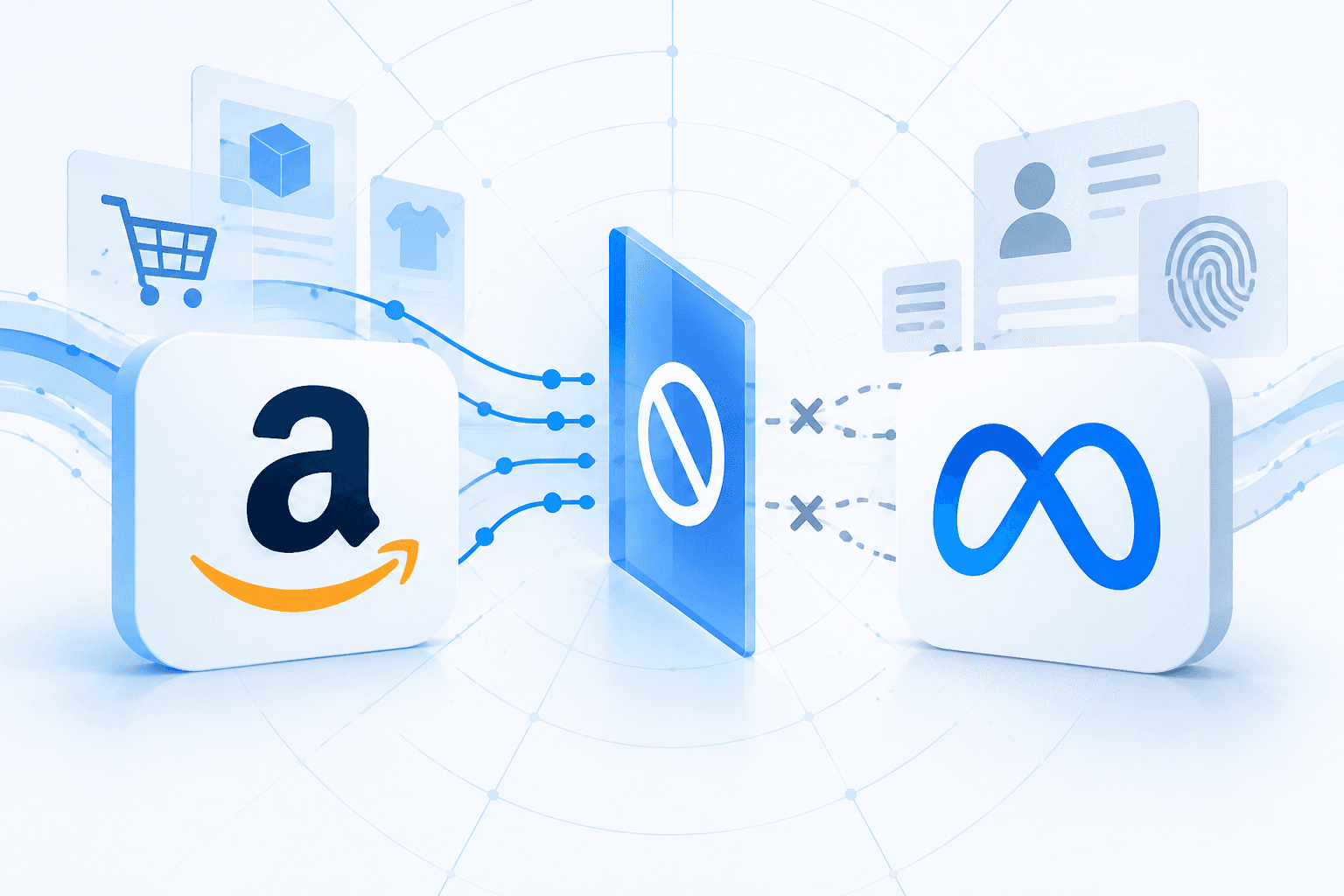
Amazon blocked Meta’s Muse personal AI agent from accessing its e-commerce marketplace, preventing the browser-based agent from making purchases on users’ behalf. Amazon said Muse failed to identify itself as an automated purchasing agent in the HTTP-request text required under its terms, and alleged Meta did not notify Amazon before using the agent on the site.
Amazon also warned that an undisclosed agent operating inside customer accounts could expose sensitive data, including account pages, purchase histories, and stored login credentials. Muse, introduced by Meta as an autonomous browser agent for multi-step web tasks with approval required for sensitive actions, is reportedly being updated with stronger protections including a planned Muse Confidential VM. The block extends Amazon’s broader push to restrict third-party shopping agents, following disputes involving Perplexity’s Comet and reported limitations on Google and OpenAI agents.
Why it matters
Impact assessment
Muse users who connected the agent to Amazon, email, calendars, payments, or other authenticated services are affected. Amazon has blocked the agent from Amazon.com, disrupting agent-assisted purchases; organizations operating consumer-facing sites should expect similar friction or blocking decisions for unidentified browser agents.
The reported authentication-token flaw creates a potentially high-severity account-compromise and privacy risk: any local application or terminal command could reportedly obtain a token linked to a Muse account and access resources available to that account. No confirmed exploitation in the wild, victim count, CVE, or public indicators were provided.
Supporting facts
- Amazon alleges Muse could access customer account pages, order histories, transaction flows, and potentially credentials during browser-driven signed-in sessions.
- Meta disputes that Muse can view passwords or payment methods, stating credentials are held in secure storage.
- Muse was launched on September 8 and reportedly reached 1.8 million iOS downloads in the United States and Canada in its first 12 days.
- The exposure is potentially broad for Muse users because the agent is designed to connect to sensitive services and execute multistep tasks across them.
- Amazon's block is a service-policy enforcement action, not evidence of compromise of Amazon systems or customer accounts.