Manhattan DA Seizes 12 Nonconsensual AI Deepfake Pornography Sites
Regulatory & Policy · 5 sources · Updated 2mo ago · First seen Sep 14, 2026
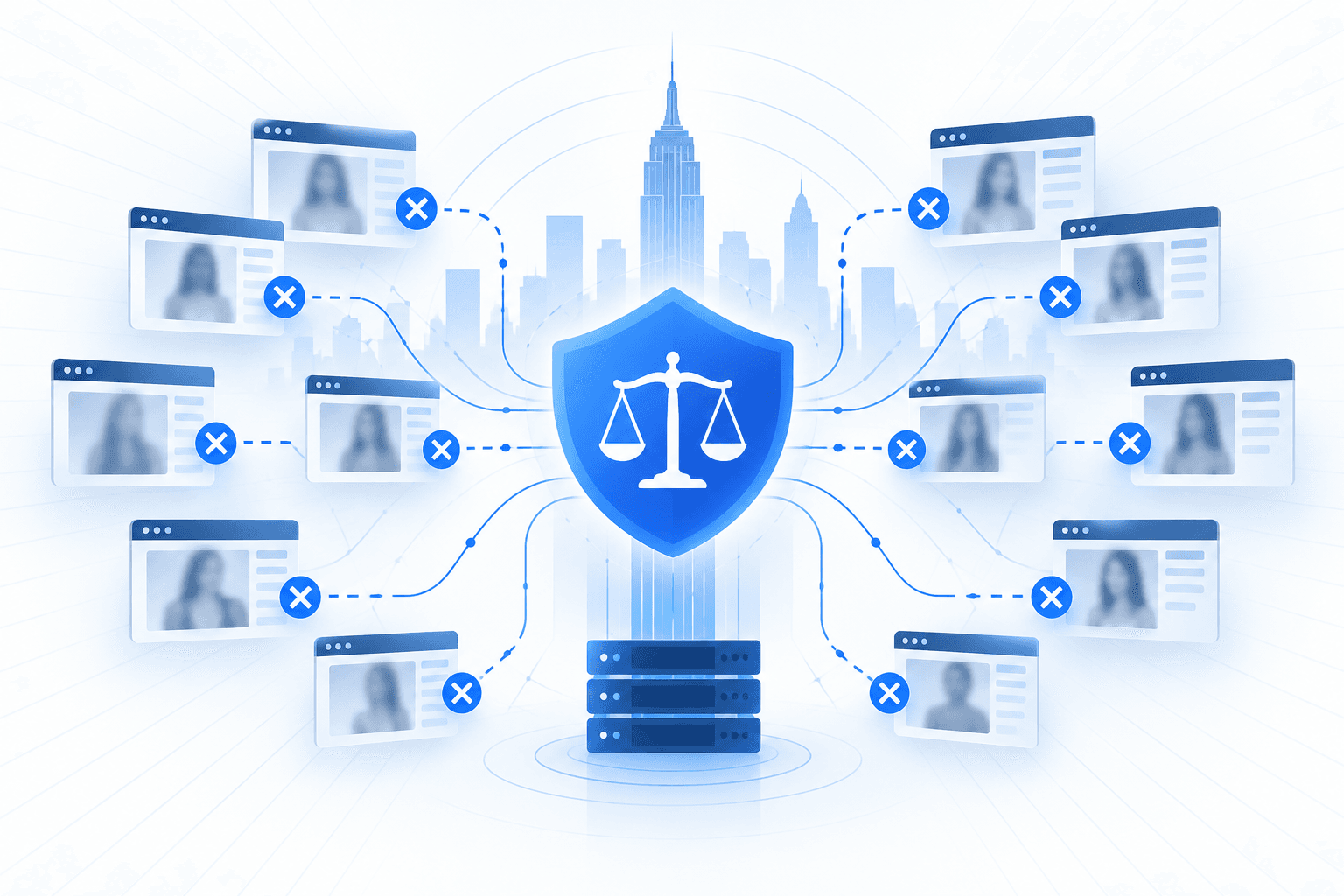
The Manhattan District Attorney’s Office seized the domains of 12 websites accused of creating and hosting sexually explicit, nonconsensual AI deepfakes of real people. The platforms allegedly enabled users to fabricate pornography using victims’ faces and bodies and collectively hosted material involving more than 1,200 people, including celebrities, politicians, other public figures, and survivors of domestic abuse.
District Attorney Alvin Bragg said the investigation remains ongoing and that prosecutors will watch for efforts to reconstitute the services on replacement domains. The seizure, described as among the largest legal actions against explicit-deepfake sites, targets a form of sexual exploitation that can damage victims’ personal and professional lives and be used to threaten victims with distribution of fabricated imagery.
Why it matters
Impact assessment
The seizure disrupts 12 services alleged to distribute non-consensual intimate imagery (NCII), but it does not eliminate the underlying threat because operators can rapidly migrate platforms, content, and payment operations to replacement infrastructure. The primary harm is severe and personal: victims face sexual exploitation, extortion, domestic-abuse coercion, reputational damage, and professional consequences; organizations also face executive impersonation, employee safety, and brand-reputation risk.
- Affected populations: more than 1,200 alleged victims, including celebrities, politicians, actors, musicians, social-justice advocates, domestic-abuse survivors, and potentially minors whose public social-media images can be manipulated.
- Affected organizations: public-sector bodies, media and entertainment organizations, political campaigns, enterprises with prominent executives, and organizations responsible for employee welfare or public-facing brands.
- Scope: the seized sites were public-facing platforms and at least one allowed users to generate face-swapped sexual content, creating a scalable and broadly accessible abuse model.
- Known exploitation: the reporting describes active use of AI-generated NCII in domestic-abuse threats and FBI warnings that sextortion actors manipulate minors' social-media photographs into explicit images.
- Operational impact: domain seizures immediately reduce availability of hosted content, but do not necessarily remove copies, user-generated content pipelines, AI tooling, hosting support, or cryptocurrency-enabled monetization.
Supporting context
- The Manhattan District Attorney's Office characterized the action as the largest known seizure of celebrity deepfake websites.
- New York law prohibits distribution of intimate deepfake images and videos; the federal TAKE IT DOWN Act, enacted in May 2025, criminalized specified intentional publication of NCII, including sexual deepfakes.
- No arrests, charges, operator identities, or site domains were disclosed in the provided reporting.