US Sanctions Iranian Hackers Linked to Critical Infrastructure Intrusions
Regulatory & Policy · 2 sources · Updated 3mo ago · First seen Aug 24, 2026
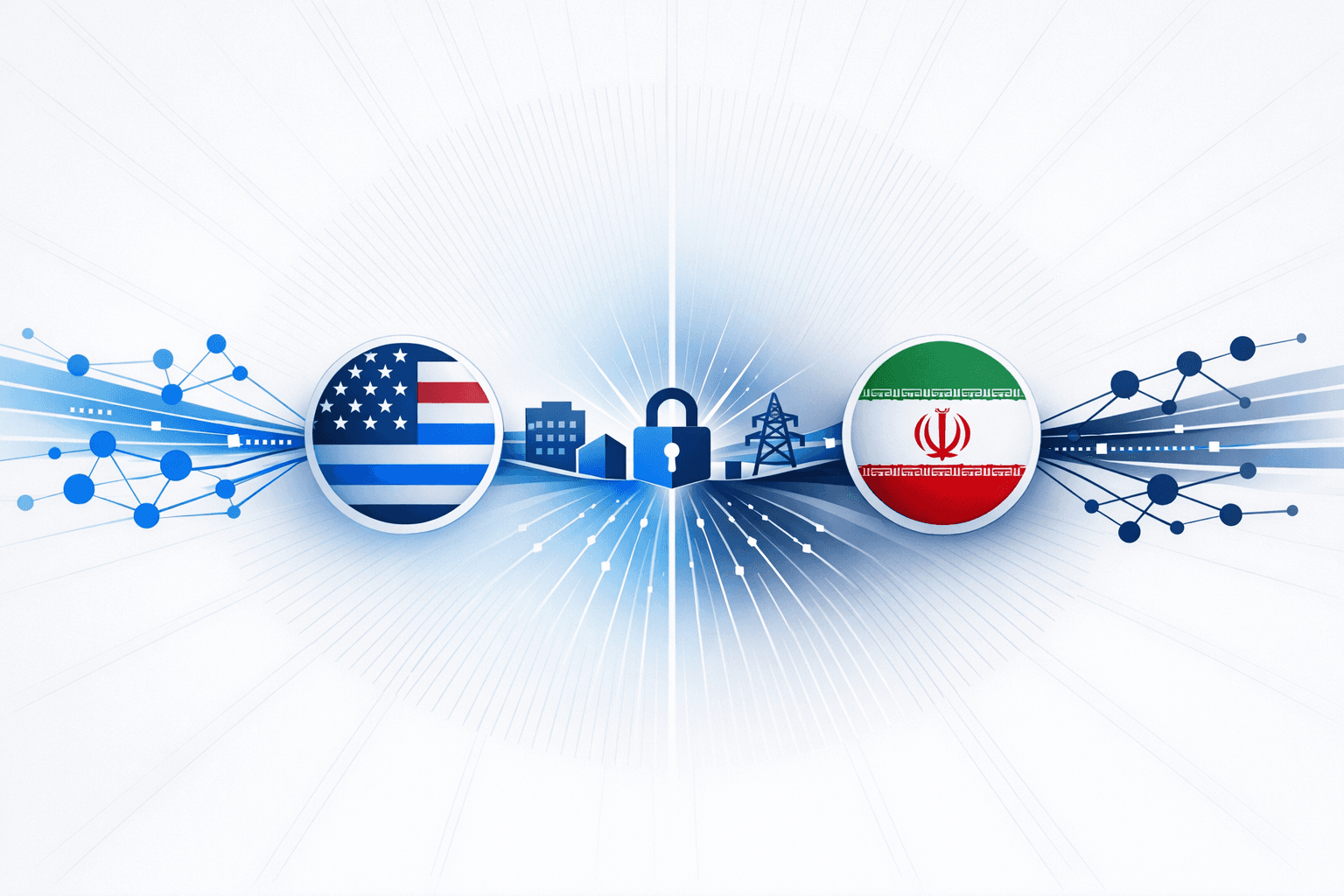
The U.S. Treasury sanctioned five Iranian nationals for alleged cyber intrusions, data theft, and misuse of stolen business information tied to Iran’s Ministry of Intelligence and Security (MOIS). U.S. officials said the group had targeted critical infrastructure, government entities, and international organizations since at least late 2023, with victims spanning the energy, defense, healthcare, information technology, and finance sectors. Treasury said some of the accused also pursued personal financial gain and, in some cases, targeted Iranian companies in addition to foreign organizations.
The sanctions were announced amid broader U.S. and U.K. warnings about Iranian cyber activity affecting operational technology environments. Officials linked the action to ongoing concern over attacks on U.S. water systems and a reported disruption at a small British power plant, underscoring the risk to industrial control systems and programmable logic controllers (PLCs) used across energy, water, and agriculture. The move also aligns with a wider campaign against Iranian cyber operators, including a recently unsealed U.S. indictment involving alleged affiliates of the Tehran-based Mabna Institute.
Why it matters
Impact assessment
U.S. critical infrastructure operators, government agencies, and international organizations are the primary affected populations, with named victim sectors including energy, defense, healthcare, information technology, and finance. The impact is high because the activity includes network intrusions, email compromise, data theft, and potential operational technology exposure that could disrupt utilities and industrial processes.
The scope appears broad rather than narrowly targeted: Treasury states the MOIS-linked operation has conducted attacks since at least late 2023, compromised multiple U.S. companies, and affected local, state, and federal government offices in summer 2024. There are reported incidents tied to Iranian cyber activity in the wild, including attacks on U.S. water systems in at least 12 states and a reported four-day disruption at a small British power plant, although the reporting does not directly attribute every such incident to the newly sanctioned individuals.
Supporting facts
- Affected sectors: energy, defense contractors, healthcare institutions, information technology companies, financial institutions.
- Affected entities: U.S. Department of Labor, Federal Energy Regulatory Commission, multiple United Nations organizations, multiple local/state/federal U.S. government offices.
- Threat sponsor: Iran Ministry of Intelligence and Security (MOIS).
- Operational risk: officials highlighted threats to operational technology environments and programmable logic controllers used in energy, water, and agriculture.
- Business impact types: data theft, misuse of stolen business information, email account compromise, potential utility disruption, reputational and regulatory consequences for critical infrastructure operators.
- Known activity in the wild: reported targeting of U.S. water systems in at least 12 states; reported four-day shutdown of a small British power plant without broader grid impact.