Flax Typhoon Espionage Infrastructure Tied to Taiwanese Targets and Possible University Links
Threat Actor Intelligence · 4 sources · Updated 3mo ago · First seen Aug 24, 2023

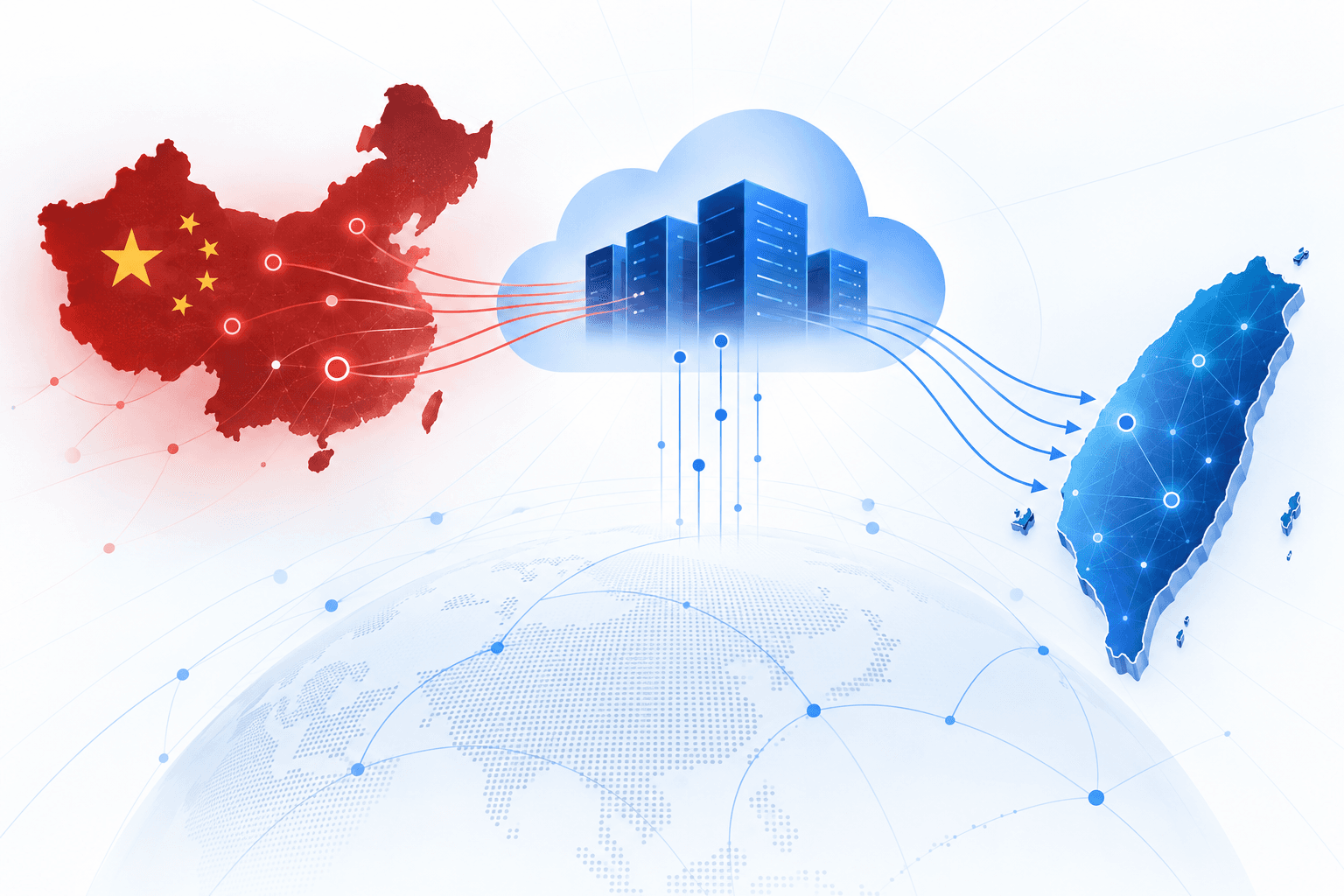
Microsoft said the China-backed espionage group Flax Typhoon has quietly compromised organizations in Taiwan by abusing legitimate tools and living-off-the-land techniques, with targeting focused on government, education, critical manufacturing, and information technology. The activity relied on access through public-facing applications, persistence with software such as SoftEther VPN, and proxying through compromised SOHO devices to reduce detection, aligning the campaign with broader PRC cyber operations described in U.S. defense strategy documents.
SecurityScorecard later reported additional infrastructure likely linked to Flax Typhoon by tracing reused TLS certificate SHA-1 fingerprints associated with the group’s SoftEther VPN servers and analyzing partner NetFlow data. Its researchers identified repeated communication between a previously flagged VPN IP, 45.204.1[.]203, and four IP addresses attributed to Fudan University — 202.120.224[.]129, 202.120.224[.]82, 202.120.224[.]114, and 202.120.224[.]116 — raising the possibility of higher-education-linked support infrastructure while noting the university systems could themselves be compromised; the firm urged likely targets to monitor and consider blocking the identified infrastructure.
Why it matters
Impact assessment
Flax Typhoon is conducting espionage against organizations primarily in Taiwan, with targeting concentrated in government, education, critical manufacturing, and information technology. The impact is high for affected entities because the campaign is designed for stealthy long-term access, enabling intelligence collection, operational disruption risk, and reputational harm if sensitive networks are penetrated.
The exposure is targeted rather than indiscriminate, but it extends beyond Taiwan: reporting places related infrastructure and activity in Southeast Asia, North America, and Africa. There are known incidents of activity in the wild, including Microsoft-documented compromises since 2021 and follow-on infrastructure identified by SecurityScorecard.
Affected entities
- Government organizations in Taiwan
- Education sector organizations
- Critical manufacturing organizations
- Information technology organizations
- Potentially organizations in Southeast Asia, North America, and Africa with exposure to the same infrastructure or tradecraft
Severity and business risk
- Primary risk is espionage and theft of sensitive government, research, operational, or commercial information.
- Use of legitimate tools and living-off-the-land techniques increases dwell time and reduces detection likelihood.
- Proxying through compromised SOHO devices complicates attribution and containment.
- If victim organizations maintain trusted academic or partner connectivity, those relationships may be abused as cover.
Scope and observed activity
- Campaign has operated since at least 2021.
- Activity is targeted and sector-focused, not broad opportunistic mass exploitation.
- Exploitation in the wild is established through Microsoft reporting and corroborating infrastructure analysis by SecurityScorecard.