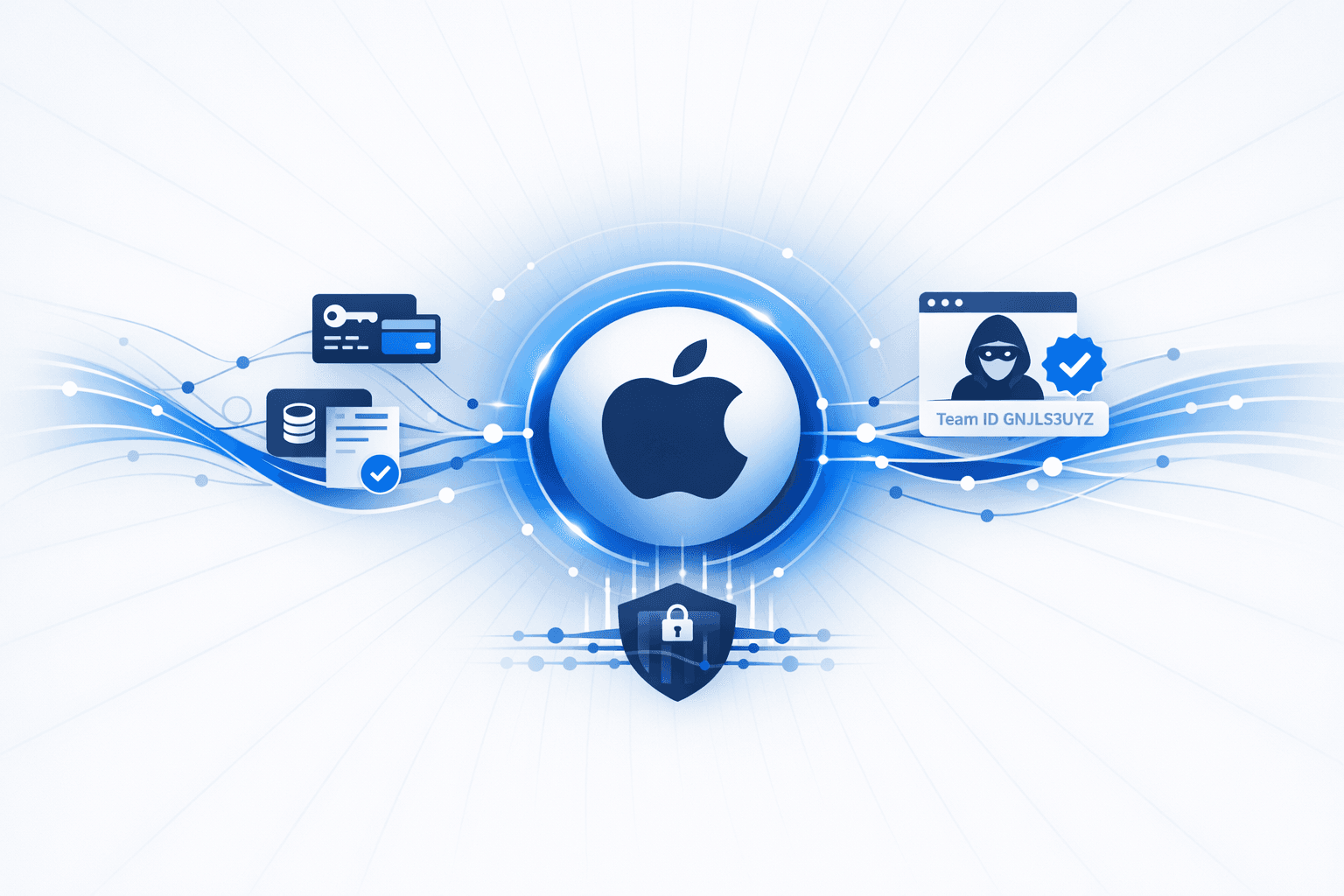
Exposed Staging Servers Reveal AI-Assisted Crypto Theft and macOS Malware Delivery
Emerging Technology Risk · 2 sources · Updated 3mo ago · First seen Aug 19, 2026

An exposed staging environment uncovered by CloudSEK revealed a financially motivated, Chinese-speaking threat operator using multiple AI coding agents as an autonomous offensive platform to support cryptocurrency theft and mass compromise operations. Files in the open directory documented two campaigns running from 10 July to 28 July 2026: opportunistic WordPress exploitation for cryptojacking and targeted intrusions against cryptocurrency and DeFi organizations. The leaked workspace contained more than 12,000 WordPress backdoor records, 66 harvested administrator credential sets, a reconnaissance corpus covering 3.4 million hosts, live API keys and admin tokens, and stolen cryptocurrency wallet private keys and seed phrases. CloudSEK said the operator managed agents through Telegram, disabled approval safeguards, and reused a fake Chinese-language "authorized pentest" jailbreak prompt to drive offensive actions, while also developing a blockchain-based DeadDropC2 framework that appeared to remain in local testing.
A separate exposed repository on 45.61.136.49 showed the same broader pattern of openly accessible attacker infrastructure, this time serving macOS malware through downloader scripts named Chrome, claude, and codex. Those scripts retrieved a Mach-O universal binary called codexclod, cleared macOS quarantine attributes, made the file executable, and launched it, suggesting a delivery chain designed to lure Apple users with trusted software and AI-brand filenames. Investigators found no victim databases or proprietary documents in that repository, but the staging setup reinforced how misconfigured attacker infrastructure can expose active payload delivery, tooling, and operational tradecraft tied to credential compromise and crypto-focused theft.
Why it matters
Impact assessment
A financially motivated operator ran two concurrent campaigns: broad WordPress compromise for cryptojacking and targeted theft against cryptocurrency and DeFi organizations. Affected populations include WordPress site owners, crypto and DeFi firms, and macOS users exposed to lure-named downloader scripts; impact includes unauthorized admin access, cryptomining, theft of wallet material and secrets, and potential malware execution on Apple endpoints.
The scope is both widespread and targeted. CloudSEK documented 12,048 compromise records across 8,996 WordPress sites, 66 harvested admin credential sets, and a 3.4 million-host reconnaissance corpus, while separate targeted activity exposed live API keys, admin tokens, wallet private keys, and seed phrases; the reporting indicates active exploitation and confirmed on-chain theft, not just preparation.
Supporting facts
- Industries and victims:
- WordPress-hosted organizations across multiple sectors.
- Cryptocurrency and DeFi organizations.
- macOS users likely targeted through filenames mimicking Chrome, Claude, and Codex.
- Severity:
- Operational disruption from cryptojacking and unauthorized persistence on WordPress sites.
- Financial loss from stolen wallet private keys, seed phrases, and confirmed drain transactions.
- Reputational and security impact from exposed admin credentials, bearer tokens, and API secrets.
- Scope:
- Mass exploitation: 12,048 confirmed compromise records across 8,996 unique WordPress sites.
- Targeted intrusions: roughly 34 confirmed-breach entries with validated live secrets and wallet-related data.
- Geographic concentration of compromised WordPress hosts led by the US, Germany, and France.
- Exploitation status:
- Known exploitation in the wild is confirmed.
- Two confirmed on-chain drain transactions were reported.
- A disguised Monero miner was deployed to compromised hosts.
- A macOS staging server was actively serving downloader scripts and a Mach-O payload.