Android 17 QPR2 Beta 3 Blocks Silent Call-Forwarding Abuse on Pixel
Patch & Detection Intelligence · 2 sources · Updated 3mo ago · First seen Aug 17, 2026

Google released Android 17 QPR2 Beta 3 for supported Pixel devices, adding a new app-lock feature, broader interface customization, and several security changes. The update lets users require fingerprint or PIN re-authentication to open protected apps, expands theming and Quick Settings layout controls, and fixes bugs tied to notification and Quick Settings interactions that could trigger display problems or unexpected restarts, along with false battery-capacity warnings in device diagnostics.
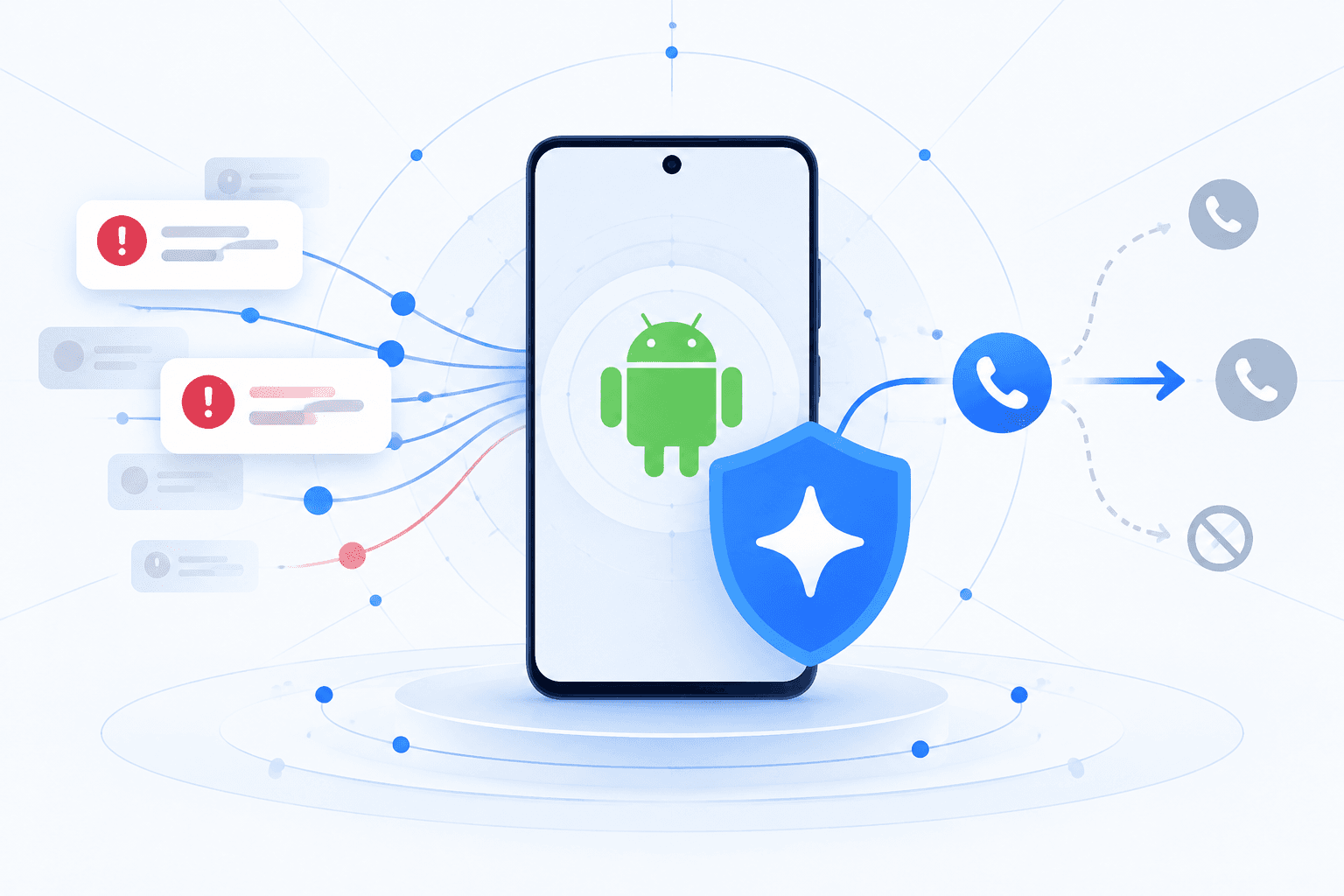
The most significant security change targets call-forwarding scams by restricting apps from silently sending call-forwarding USSD codes through TelephonyManager.sendUssdRequest() with only the CALL_PHONE permission, while also adding an OS-level confirmation dialog when users manually enter call-forwarding codes in the system dialer. Google also expanded Mobile Network Security visibility with a timestamped SIM security timeline and details on cellular encryption ciphers, with signs that future alerts may cover downgrade, denial-of-service, jamming, and location-tracking threats.
Why it matters
Impact assessment
Android 17 QPR2 Beta 3 reduces a real fraud pathway on supported Pixel devices by blocking silent app-driven call-forwarding activation and adding user confirmation for manual call-forwarding code entry. The primary affected population is Pixel 6-series-and-newer users enrolled in the beta, especially consumers and enterprises exposed to mobile social-engineering scams that redirect voice calls, OTPs, and account-recovery workflows.
The impact is moderate and preventive rather than incident-driven: the change limits account takeover and telecom fraud risk, but the story does not cite confirmed in-the-wild exploitation tied to a specific malware family or campaign. Exposure is currently limited to supported Pixel beta devices, not the broader Android ecosystem, though the abuse pattern is broadly relevant to mobile users and organizations relying on voice-based verification.
Supporting facts
- Affected products: Android 17 QPR2 Beta 3 on supported Pixel devices.
- Affected device scope: Pixel 6a and newer supported Pixel models; references also list Pixel 6 through Pixel 10 Pro XL, Pixel Fold, Pixel Tablet, and Android Emulator support.
- Security issue addressed: silent or background execution of call-forwarding USSD codes by apps using
TelephonyManager.sendUssdRequest()with only theCALL_PHONEpermission. - Abuse objective: social-engineering scams that trick users into enabling call forwarding.
- Potential business impact: interception of inbound calls, possible diversion of voice-based MFA/OTP calls, fraud enablement, and reputational harm if enterprise-managed mobile fleets are abused.
- Known exploitation: no specific incidents, actor names, or active exploitation cases are cited in the references.
- Additional defensive value: expanded Mobile Network Security visibility may help users identify suspicious SIM/network events, including identifier access and future downgrade, DoS, jamming, or location-tracking warnings.
Entities
- Android 17 QPR2 Beta 3
- Pixel 6a
- Pixel 7 series
- Pixel 7a
- Pixel Fold
- Pixel Tablet
- Android Emulator