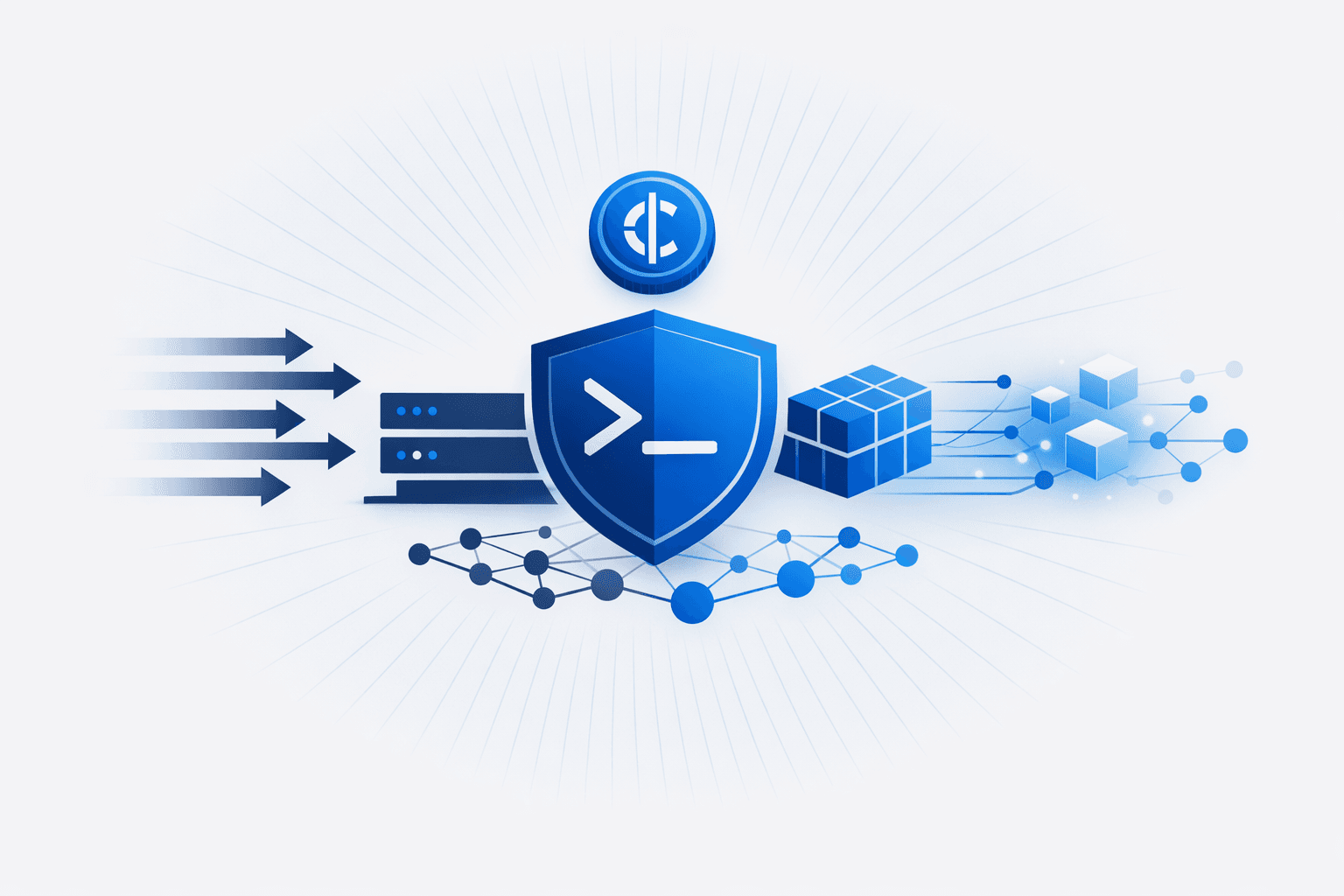
Tor-Based Linux Botnet Spreads via Ansible, Chef, and SaltStack to Deploy XMRig
Malware Intelligence · 1 source · Updated 4mo ago · First seen Apr 22, 2021

A Linux-focused botnet used the Tor network and a large proxy infrastructure to conceal command-and-control traffic, deliver payloads, and exfiltrate victim data while deploying the XMRig Monero miner on compromised systems. The malware arrived as a multilayer-encoded shell script, supported multiple Linux architectures, and fetched legitimate utilities such as ss, ps, and curl when they were not already present, indicating an effort to operate flexibly across diverse server environments.
The campaign also abused infrastructure-as-code and cloud management tools including Ansible, Chef, and SaltStack to expand laterally and scale infections. Once active, the malware removed rival cryptominers and disabled or uninstalled cloud monitoring and security agents tied to Tencent Cloud, Alibaba Cloud, and Aegis/YunJing, while researchers found evidence suggesting some Tor proxy and mining-pool servers used in the operation may themselves have been compromised hosts with exposed and vulnerable services.
Why it matters
Impact assessment
This campaign targets Linux servers and cloud-hosted workloads, with elevated risk for organizations using Ansible, Chef, or SaltStack in mixed or large-scale server environments. Impact includes unauthorized cryptomining, degraded system performance, lateral spread through administration tooling, suppression of security monitoring, and potential follow-on compromise due to attacker persistence and infrastructure abuse.
The exposure is broader than a single product vulnerability because the malware is designed to operate across multiple Linux architectures and diverse server configurations. Researchers described active botnet operations in the wild and observed attacker efforts to disable Tencent Cloud, Alibaba Cloud, and Aegis/YunJing monitoring or security components, increasing the chance of prolonged undetected compromise.
Affected entities and environments
- Linux and Linux-based systems across multiple CPU architectures
- Cloud-hosted servers and virtual machines
- Environments using infrastructure-as-code and configuration management tooling:
- Ansible
- Chef
- SaltStack
- Organizations relying on Tencent Cloud, Alibaba Cloud, or Aegis/YunJing agents for monitoring or endpoint visibility
Severity and business impact
- Resource hijacking through XMRig Monero mining causes CPU exhaustion, service degradation, and increased infrastructure cost
- Lateral movement via administrative tooling can expand a single host compromise into broader fleet exposure
- Removal or disabling of monitoring/security agents reduces detection capability and increases dwell time
- Removal of competing miners indicates deliberate host control and persistence by the operator
- Potential reputational and operational impact if compromised hosts are repurposed as Tor proxies or attacker infrastructure
Scope and exploitation status
- In-the-wild campaign documented by Trend Micro researchers David Fiser and Alfredo Oliveira
- Scope appears opportunistic and scalable rather than narrowly targeted
- Researchers assessed some proxy and mining-pool nodes may themselves be compromised hosts with exposed vulnerable services, suggesting a broader ecosystem of abused infrastructure