Mallory
← Back to News
botnet-infrastructureembedded-device-vulnerabilitydefault-credential-exposureinternet-exposed-service

Huawei HG532 RCE Fueled an 18,000-Device Router Botnet

Malware Intelligence · 6 sources · Updated 3mo ago · First seen Dec 25, 2017
Huawei HG532 RCE Fueled an 18,000-Device Router Botnet

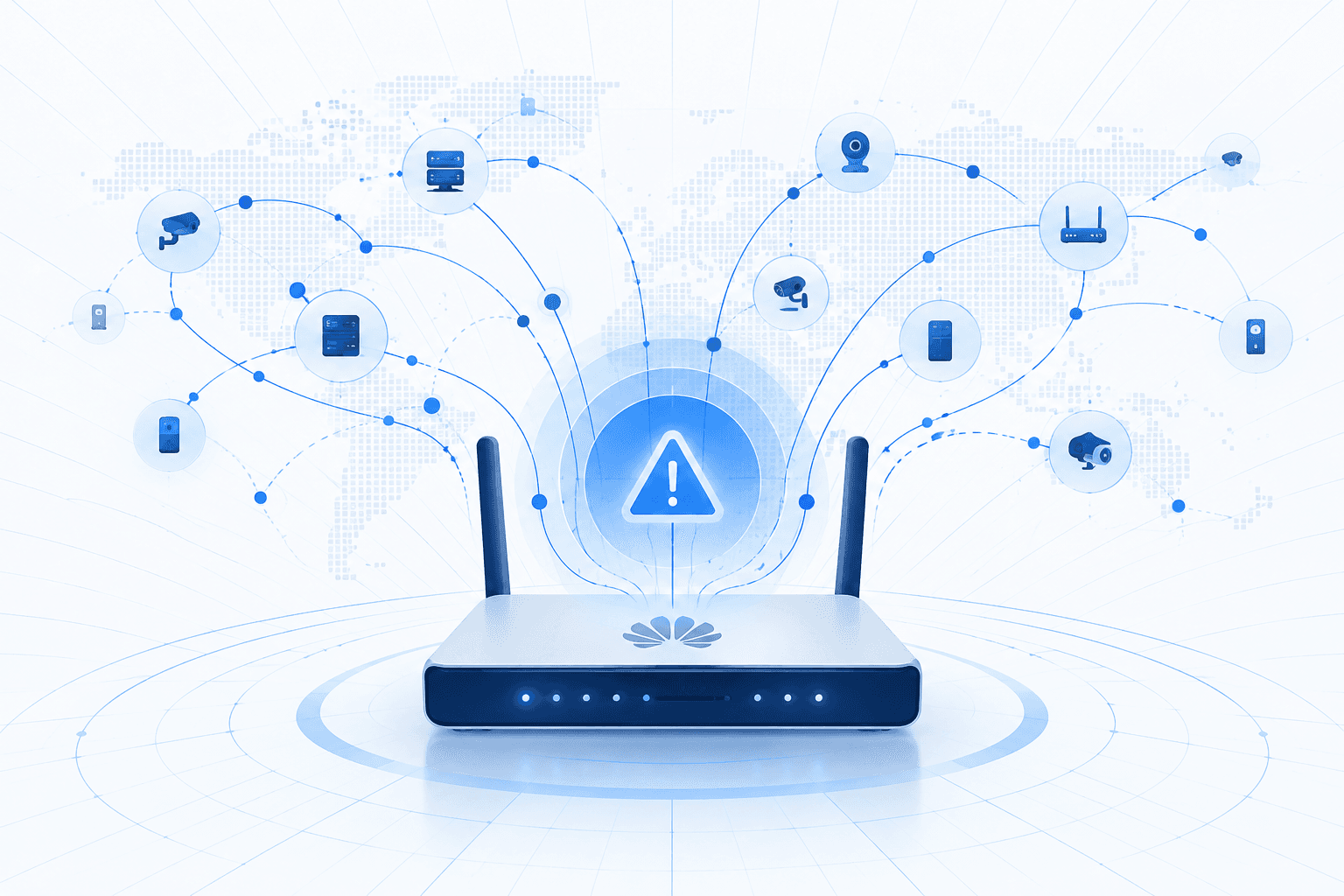
A threat actor using the alias Anarchy reportedly assembled a botnet of roughly 18,000 compromised Huawei HG532 routers in a single day by exploiting CVE-2017-17215, a remote command execution flaw that had already been abused by Mirai-derived malware and Satori variants. The campaign highlighted how long-known weaknesses in internet-facing SOHO and IoT devices continue to provide attackers with a large pool of systems for botnet growth and potential DDoS or other criminal activity.

Public exploit details for CVE-2017-17215 showed that attackers could send a crafted SOAP request to the router's UPnP WANPPPConnection service on port 37215 and inject shell commands through the NewStatusURL field of the Upgrade action, using the default credentials dslf-config/admin. Reporting also indicated that the actor planned to expand operations by targeting CVE-2014-8361 in Realtek-based routers via port 52869, suggesting broader efforts to scale router-based botnet infections across poorly secured edge devices.

Why it matters

Impact assessment

A large population of internet-facing SOHO/IoT routers is exposed to rapid botnet recruitment through a long-known Huawei HG532 remote code execution flaw. The reported campaign shows high operational risk for ISPs, small offices, home users, and any organization still using vulnerable edge routers, with likely downstream impact including DDoS participation, service disruption, and reputational damage.

The scope is broad rather than narrowly targeted: the actor reportedly compromised about 18,000 Huawei HG532 devices in a single day, and reporting indicates intent to expand to Realtek-based routers. Exploitation in the wild is established, with prior abuse by Satori variants and Mirai-derived botnets in addition to the reported Anarchy activity.

Affected populations

  • Huawei HG532 users, especially deployments exposing port 37215 to the internet
  • SOHO environments and home users with unmanaged or rarely updated routers
  • ISPs and carriers supporting legacy customer-premises equipment
  • Organizations using vulnerable consumer-grade routers at branch, remote, or temporary sites

Severity and business impact

  • High risk of device takeover and incorporation into botnets
  • Likely use cases include DDoS, further malware delivery, and criminal infrastructure scaling
  • Potential operational disruption from degraded connectivity, blacklisting, and incident response burden
  • Reputational and financial impact for service providers or businesses whose infrastructure participates in attacks

Scope and exploitation status

  • Reported botnet growth: roughly 18,000 compromised devices in one day
  • Activity is not novel-only research; it reflects active exploitation of exposed devices
  • Prior in-the-wild abuse by Satori and Mirai offshoots confirms persistent attacker interest
  • Planned expansion to Realtek-router exploitation suggests continued botnet scaling across weak edge devices

Hunt this familyPull IOCs and campaign context straight into your stack.
Get the IOCs
Event timeline

How this story unfolded

Events from the most recent confirmed update back to the earliest known activity.

6 events · Nov 30, 2017 – Dec 25, 2017
  1. Reported Mar 17, 20269mo ago

    Mirai variant campaign targets Huawei HG532 routers via CVE-2017-17215

    Cymulate Threat Research Group identified a Mirai-related shell variant exploiting CVE-2017-17215 on Huawei HG532 routers. The campaign retrieved UPX-packed, multi-architecture ELF payloads from 85.217.144[.]35/condi/ and executed them on compromised devices.

    Huawei HG532 Routers: CVE-2017-17215 Exploited
  2. Reported Jul 21, 20188y ago

    Anarchy says next target is Realtek router flaw CVE-2014-8361

    According to researcher Ankit Anubhav, Anarchy said he also planned to target CVE-2014-8361 in Realtek routers, exploitable via port 52869. This marked an intended expansion beyond Huawei HG532 devices.

    Malware author ‘Anarchy’ builds 18,000-strong Huawei router botnet | news | SC Media
  3. Reported Jul 21, 20188y ago

    Anarchy builds 18,000-device botnet from Huawei routers in one day

    Threat actor 'Anarchy' reportedly assembled a botnet of about 18,000 compromised devices in a single day by exploiting Huawei HG532 routers via CVE-2017-17215. The actor also shared a list of infected victim IP addresses with researcher Ankit Anubhav, who did not publish it.

    Malware author ‘Anarchy’ builds 18,000-strong Huawei router botnet | news | SC Media
  4. Reported Jul 21, 20188y ago

    Researcher notes uptick in compromised Huawei routers

    A July 19 blog post cited by later reporting noted an increase in the number of compromised Huawei routers. This indicated active exploitation of CVE-2017-17215 in the wild before broader coverage of the botnet's scale.

    Malware author ‘Anarchy’ builds 18,000-strong Huawei router botnet | news | SC Media
  5. Dec 25, 20179y ago

    Exploit-DB publishes Huawei HG532 RCE exploit for CVE-2017-17215

    Exploit-DB published a verified proof-of-concept for arbitrary command execution on Huawei HG532 routers, identified as CVE-2017-17215. The entry showed how a crafted SOAP request to the router's WANPPPConnection service could execute shell commands remotely.

    Huawei Router HG532 - Arbitrary Command Execution - Hardware webapps Exploit
  6. Nov 30, 20179y ago

    Huawei confirms CVE-2017-17215 and issues mitigations

    Huawei published a security notice confirming the existence of CVE-2017-17215, a remote code execution flaw affecting HG532 devices, after receiving the report from Check Point researcher Muhammad Mukatren on November 27, 2017. The company advised mitigations, noted IPS signature updates, and said fix versions were provided for non-End of Service products.

    Security Notice - Statement on Remote Code Execution Vulnerability in Huawei HG532 Product
Linked entities

Related entities

Vulnerabilities, threat actors, malware, products, organizations, breaches, and observables Mallory has linked to this story. Indicator values are masked here and available in full in the app.

Open in app →

Threat actors

1 linked

Affected products

1 linked
Hg532

Organizations

1 linked
Huawei Technologies

Observables

20 linked

Indicator values are masked on this page. View all 20 in Mallory Domains, IPs, hashes, and URLs are exportable to your SIEM.

Do you run this?Pull the IOCs, campaigns, and victimology behind this family, ready to push into your SIEM and EDR.
Hunt This Malware
Mallory platform

See the full picture, correlated to your attack surface.

This page covers what’s public. Mallory adds the parts that aren’t: which of your assets are affected, which threat actors are using it right now, and what to deploy next.

Exposure mappingMap indicators from this story to your assets and identify affected systems in minutes.
Threat actor evidenceEvery observed campaign, victim, and pivot linked to actors named in this story.
Associated malwareMalware, exploits, and IOCs connected to the activity described here.
Detection signaturesYARA, Sigma, and Snort rules deployed to your SIEM as soon as they’re published.
Scheduled alertsGet matching new stories delivered to your team as they break, not the next morning.
AI threadsAsk questions about this story and take action on the answers.