Conti Ransomware Operated as a Structured Enterprise and Hit Healthcare and Manufacturing
Threat Actor Intelligence · 13 sources · Updated 4mo ago · First seen Feb 25, 2022
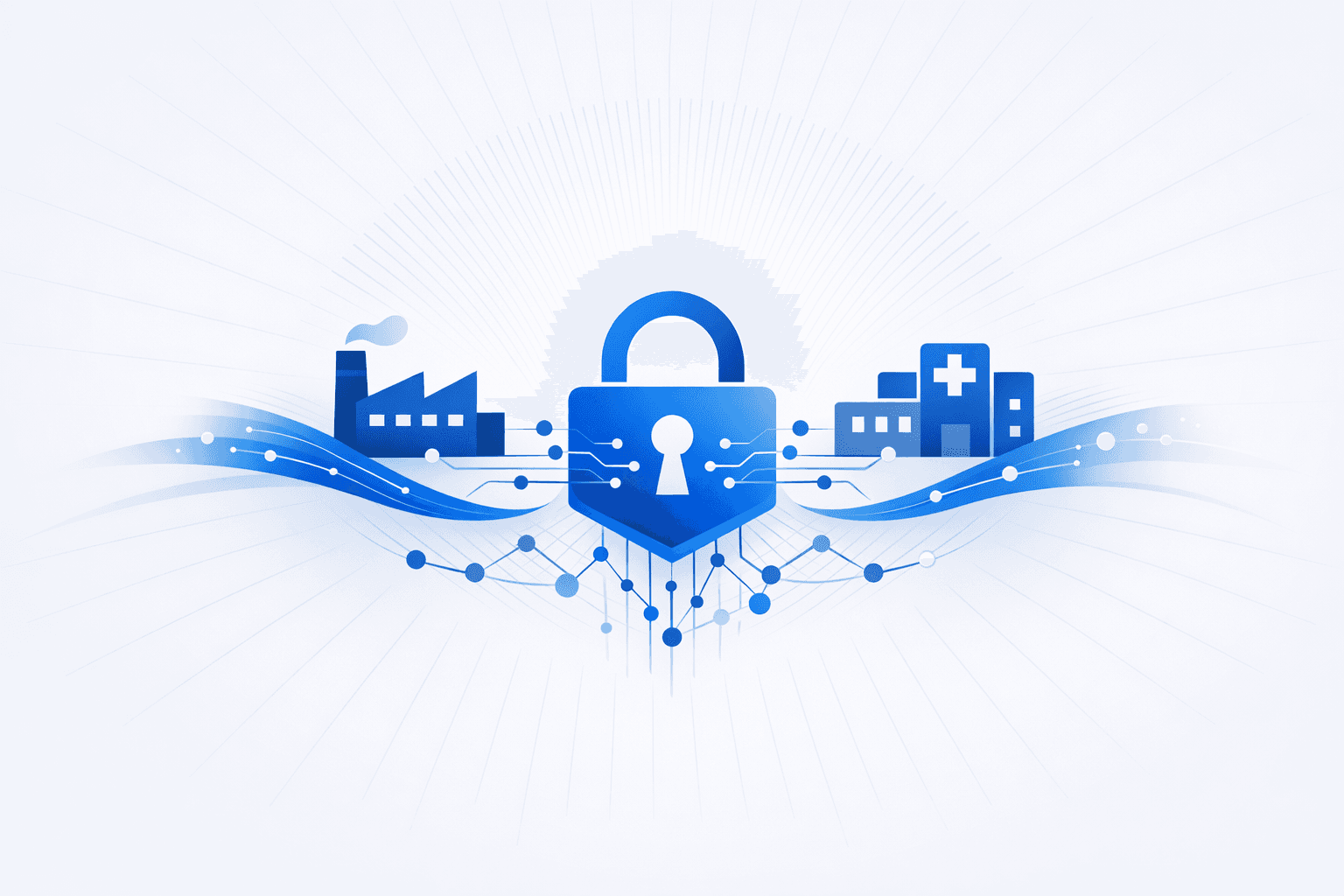
Conti emerged as one of the most active ransomware-as-a-service operations, using spearphishing, exposed RDP, and loaders such as BazarLoader, TrickBot, IceID, and Emotet to gain access before deploying Cobalt Strike, stealing data, and encrypting systems across networks. Security reporting tied the group to more than 400 attacks globally, with victims concentrated in North America and Europe, and described technical tradecraft including credential attacks, shadow copy deletion, service termination, remote SMB encryption, and ransom notes named CONTI_README.txt. In industrial environments, Dragos said ransomware became the leading cause of compromises in 2021, with Conti and LockBit 2.0 accounting for more than half of observed incidents, while suspected Conti-linked activity was later detected at major automotive manufacturers and suppliers in North America and Japan.
Leaked internal chats, source code, and infrastructure data exposed Conti as a highly organized criminal business rather than a loose affiliate network. Researchers identified a core group of roughly 44 members within a wider set of 442 chat handles, with dedicated teams for coding, reverse engineering, OSINT, HR, payroll, and a "Fire Team" that conducted victim research, built phishing phone and email scripts, and helped pressure victims during ransom negotiations using tools such as Shodan, SpiderFoot, SignalHire, and ZoomInfo. The group’s impact was illustrated by the attack on Ireland’s Health Service Executive, where about 80% of IT systems were encrypted, roughly 700 GB of data was stolen, and healthcare services were disrupted nationwide before Conti offered a free decryptor while still demanding a $20 million ransom and threatening to leak the data.
Why it matters
Summary
Conti operated as a mature ransomware enterprise that disproportionately affected healthcare, manufacturing, and other mid-to-large enterprises, with victim concentration in North America and Europe. Impact was severe: large-scale encryption, data theft, prolonged operational disruption, and extortion pressure were all documented, including nationwide healthcare disruption in Ireland and suspected footholds in major automotive manufacturers.
Supporting details
- CISA and FBI reported Conti involvement in more than 400 attacks globally.
- Victims were concentrated in North America and Europe; the United States was the most common victim country, followed by Germany.
- Sectors repeatedly referenced across sources:
- Healthcare
- Manufacturing
- Construction
- Technology
- Pharmaceuticals
- Finance
- Aerospace
- Chemical
- Defense
- Energy
- Hospitality
- Medical equipment
- Dental clinics
- Online retail
- Conti targeted organizations with annual revenue between $500 million and $5 billion, but also pursued smaller firms viewed as easier to socially engineer.
- In industrial environments, Dragos reported ransomware was the leading cause of compromises in 2021, with Conti and LockBit 2.0 accounting for 51% of observed incidents.
- Dragos reported suspected Conti-linked Emotet footholds at three of the world’s top automakers, a key supplier, and an automotive component manufacturer in North America and Japan.
- Ireland HSE incident demonstrates worst-case impact:
- 80% of IT systems encrypted
- Approximately 700 GB of data stolen
- Protected health information exposed
- Nationwide healthcare service disruption
- $20 million ransom demand
- Known exploitation in the wild is well established through hundreds of incidents, the HSE attack, and multiple intrusion reports tying Conti tradecraft to active compromises.