Kaiji and XORDDoS Botnets Exploit Exposed Docker and SSH to Build Linux DDoS Networks
Malware Intelligence · 3 sources · Updated 4mo ago · First seen Aug 14, 2026
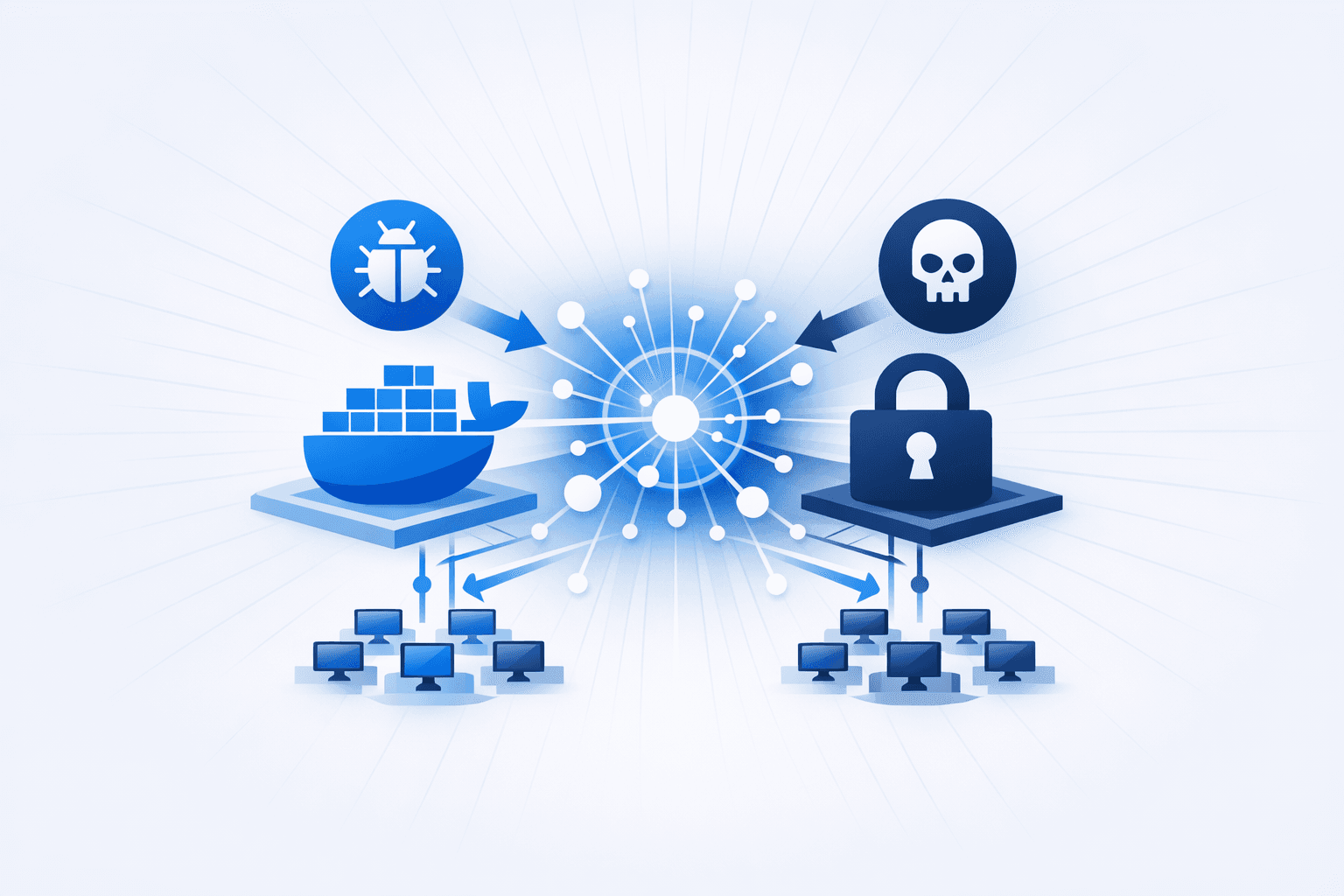
Researchers reported that Kaiji and XORDDoS operators were actively compromising Linux infrastructure to expand botnets used for distributed denial-of-service attacks. Trend Micro observed both malware families targeting exposed Docker servers through the unauthenticated Docker API on port 2375: XORDDoS enumerated running containers on vulnerable hosts and executed commands inside each one to download and launch its payload, while Kaiji scanned for exposed Docker instances, validated targets, and deployed a rogue ARM container that fetched and ran the malware. The activity showed two distinct propagation models aimed at the same weakly secured container environments.
Separate analysis of Kaiji found the malware was a Golang-based Linux and IoT botnet with assessed Chinese origins, built from scratch rather than derived from Mirai or BillGates. Researchers said Kaiji also spread through SSH brute forcing, targeted the root account, installed itself under disguised filenames, and supported DDoS functions, shell command execution, C2 replacement, self-deletion, and Linux persistence. It also attempted lateral movement by abusing local SSH keys and IP addresses recovered from bash history and known-hosts data, although researchers assessed the operation as relatively immature because its infrastructure was short-lived and parts of the code appeared unfinished.
Why it matters
Impact assessment
Kaiji and XORDDoS activity affects internet-exposed Linux servers, IoT devices, and containerized workloads, especially environments running Docker with the unauthenticated API exposed on TCP/2375 or systems permitting SSH access to the root account. The primary impact is botnet enrollment for DDoS operations, but the malware also enables remote shell execution, persistence, lateral movement, and follow-on payload delivery, creating risk of operational disruption, service abuse, and reputational damage.
The exposure is broad wherever weakly secured Linux and container infrastructure is internet reachable, though exploitation is opportunistic rather than narrowly targeted. Researchers observed active exploitation in the wild against exposed Docker servers and SSH-accessible systems.
Affected populations
- Organizations operating Linux servers exposed to the internet
- Teams running Docker Engine with remote API exposed on port 2375 without authentication or TLS
- IoT device operators using Linux-based embedded systems
- Environments allowing direct SSH access to the root account
- Multi-container hosts where compromise of the Docker daemon can lead to compromise of all hosted containers
Severity and business impact
- DDoS botnet enrollment can consume bandwidth and compute resources and expose organizations to abuse complaints or blacklisting
- Remote command execution allows attackers to run arbitrary shell commands on compromised hosts
- Persistence mechanisms increase dwell time and complicate remediation
- Kaiji can kill processes when CPU usage exceeds 85%, which may disrupt legitimate workloads
- XORDDoS can download and execute additional malware, increasing risk beyond DDoS
Scope and exploitation status
- Activity is widespread against exposed services rather than sector-specific
- Trend Micro observed active exploitation of exposed Docker APIs by both Kaiji and XORDDoS operators
- Intezer documented Kaiji spreading through SSH brute force and local lateral movement attempts using harvested SSH keys and host data