Water Barghest Scaled Ngioweb IoT Infections Into a Residential Proxy Botnet
Malware Intelligence · 6 sources · Updated 4mo ago · First seen May 27, 2019
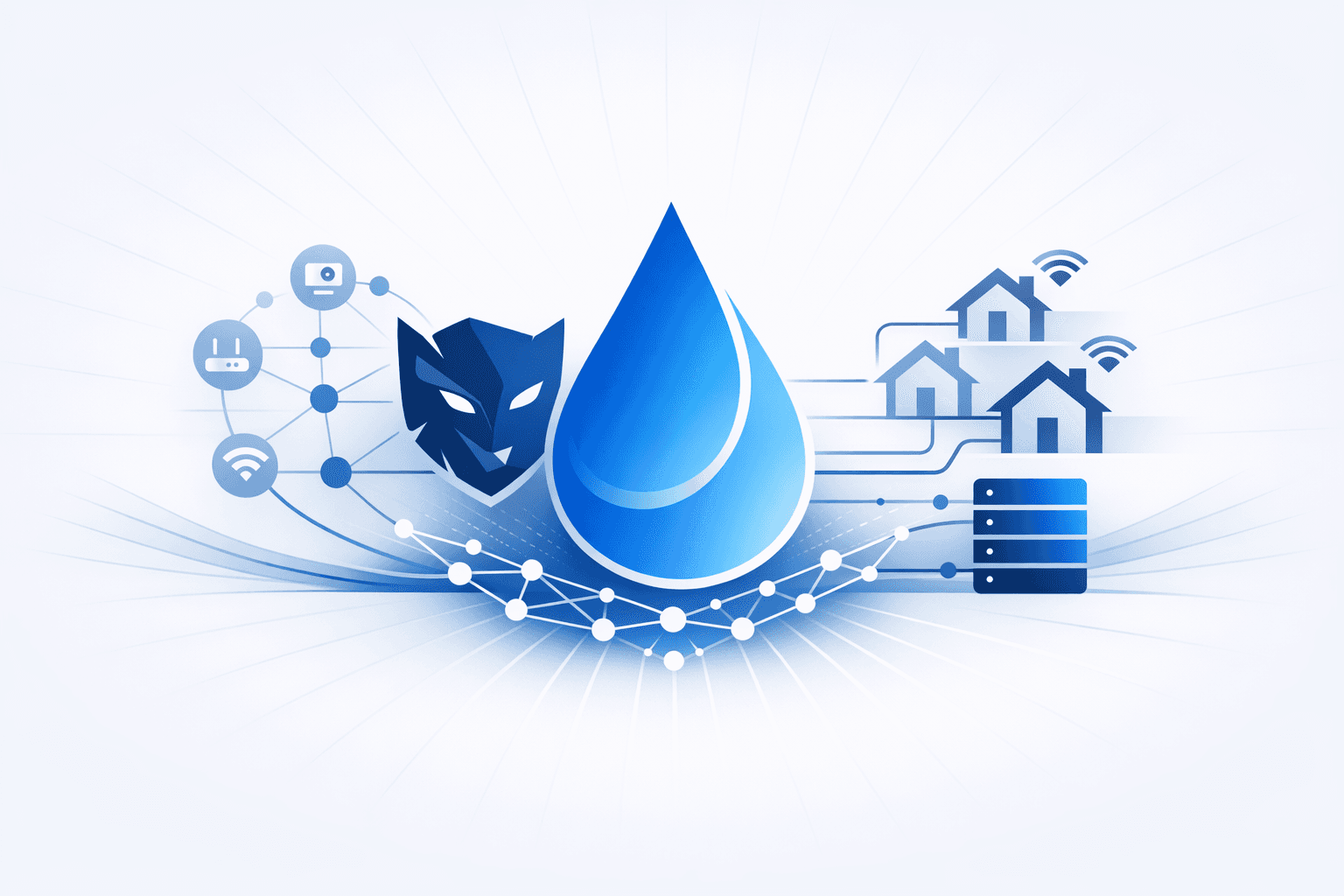
Researchers reported that Water Barghest has industrialized the compromise of internet-exposed IoT and router devices, using public scan data such as Shodan, long-lived datacenter infrastructure, known vulnerabilities, and at least one zero-day to deploy the Ngioweb malware and convert victims into rentable proxy nodes. Trend Micro said the group can move from initial exploitation to listing a device on a proxy marketplace in about 10 minutes, while LevelBlue linked the botnet’s monetization to the Nsocks service, which advertised nearly 30,000 global IPs at low daily prices. Observed targets have included Cisco IOS XE devices, EdgeRouter systems, Zyxel routers, Linear eMerge devices, and even Neato vacuum cleaners, with many infected hosts belonging to residential ISP users.
The activity extends a botnet lineage that researchers traced from a Win32.Ngioweb proxy botnet seen in 2018, to Linux infections on WordPress servers in 2019, and then to broad IoT targeting from 2020 onward. Earlier analysis by Netlab 360 found Linux.Ngioweb used a two-tier C2 design, DGA fallback domains, anti-analysis features, and encrypted Stage-2 communications, while newer reporting said the operators have kept the malware largely stable but expanded their exploit arsenal, altered C2 request paths, and added TXT-record authenticity checks to hinder sinkholing. Researchers assessed that a substantial share of one proxy marketplace’s exit nodes were compromised devices running Ngioweb, underscoring how mature criminal operators are turning vulnerable IoT systems into persistent anonymization infrastructure for sale or reuse.
Why it matters
Impact assessment
Water Barghest is affecting owners and operators of internet-exposed routers, IoT devices, SOHO infrastructure, access-control systems, and some Linux-hosted web infrastructure, with a large share of victims appearing to be residential ISP users. The impact is operational and reputational: compromised devices are converted into rentable proxy nodes that can support fraud, intrusion operations, and anonymized malicious traffic, while device owners may experience degraded performance, abuse complaints, and follow-on compromise.
The exposure is widespread rather than narrowly targeted because the actor uses public scan data, automated exploitation, and multi-architecture malware against broadly exposed device classes. There is clear evidence of exploitation in the wild, including infections tied to Cisco IOS XE, EdgeRouter, Zyxel, Linear eMerge, QNAP, Netgear, D-Link, Neato, and WordPress-hosted Linux systems; reporting also links Water Barghest infrastructure to the October 2023 Cisco IOS XE zero-day campaign that infected tens of thousands of routers.
Supporting facts
- Threat actor: Water Barghest
- Malware family: Ngioweb / Linux.Ngioweb / Win32.Ngioweb
- Monetization channel: Nsocks residential proxy service
- Marketplace scale: nearly 30,000 proxy IPs advertised in 2024
- Victim composition: more than 75% of observed Nsocks inventory was residential ISP or ISP/MOB systems
- Time to monetization: compromised device could be listed on a proxy marketplace within about 10 minutes of exploitation
- Observed targeted products/entities:
- Cisco IOS XE devices
- Ubiquiti EdgeRouter / EdgeOS
- Zyxel VMG8623-T50B routers
- Linear eMerge E3-Series access control systems
- QNAP NAS
- Netgear devices
- D-Link devices
- Neato vacuum cleaners
- WordPress web servers
- Geographic scope from marketplace inventory:
- United States: 13,056 proxies
- United Kingdom: 4,236 proxies
- Canada: 2,286 proxies
- Japan: 605 proxies
- Known in-the-wild activity:
- Spring 2024 scanning and exploitation observed by LevelBlue
- EdgeRouter compromises with memory-resident Ngioweb observed by Trend Micro
- 2020 Ngioweb V2 spread via nine known vulnerabilities
- Water Barghest infrastructure linked to October 2023 Cisco IOS XE zero-day activity
Impact implications
Proxy-botnet use materially increases downstream risk because compromised devices become anonymization infrastructure for cybercrime and espionage, making attribution and blocking harder for defenders. Organizations with exposed edge devices, branch routers, building-management systems, or unmanaged IoT fleets face elevated risk of silent compromise even when malware is non-persistent, because actors can rapidly re-exploit exposed systems and monetize them at scale.