Mallory
← Back to News
botnet-infrastructurecommand-and-control-methodembedded-device-vulnerabilityinitial-access-method

Lucifer Malware Expanded Into Cross-Platform Cryptojacking and DDoS Attacks

Malware Intelligence · 2 sources · Updated 4mo ago · First seen Aug 14, 2026
Lucifer Malware Expanded Into Cross-Platform Cryptojacking and DDoS Attacks

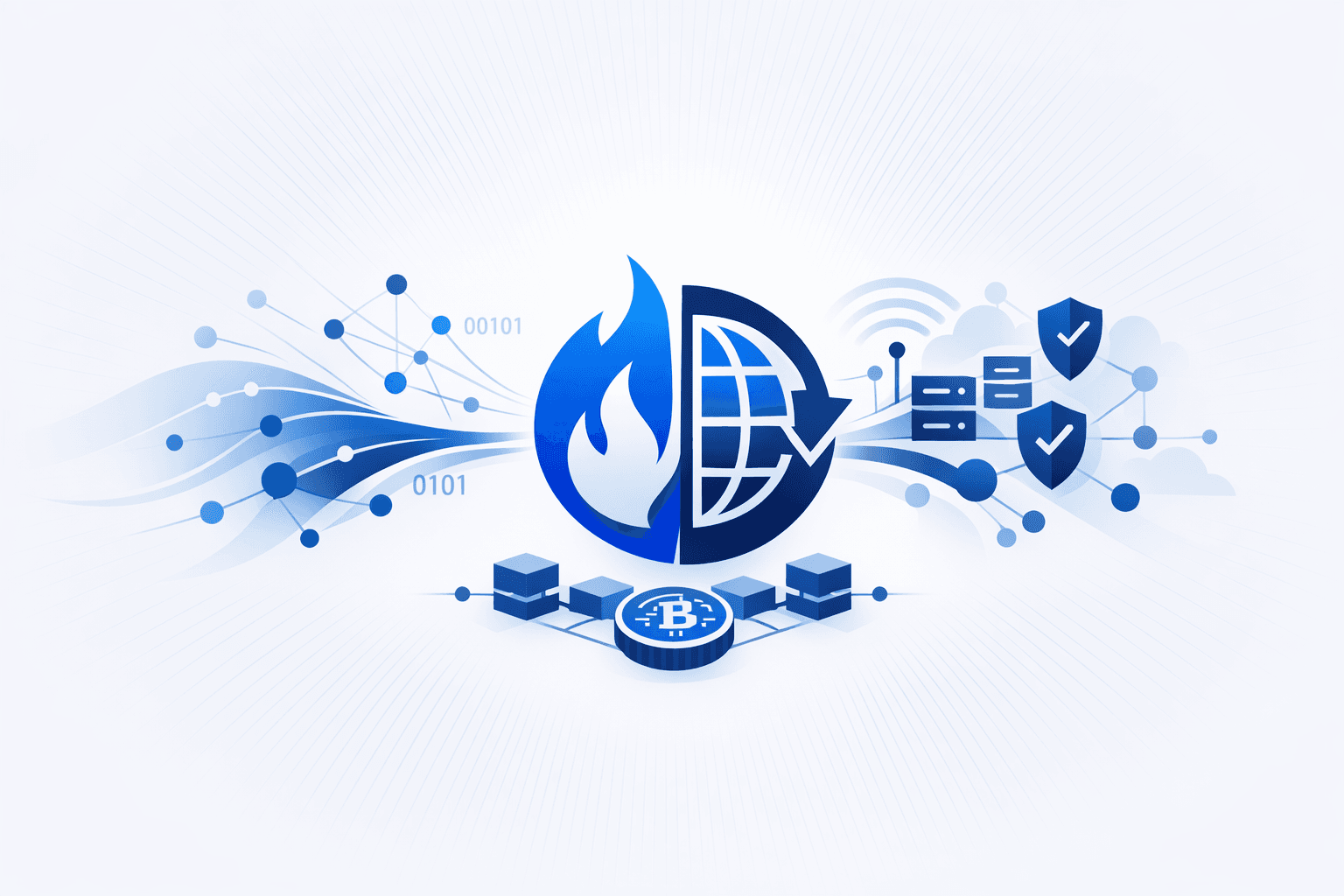
Researchers reported that the Lucifer malware evolved from a Windows-based cryptominer into a cross-platform threat targeting Windows, Linux, and IoT devices with a mix of Monero mining, DDoS, command-and-control, and remote execution capabilities. Check Point linked Lucifer to the earlier BlackSquid and Rudeminer/Spreadminer activity through shared code traits and Monero wallet overlaps, indicating the operators had likely been active since 2018 and were continuing to release new variants.

The campaign hit more than 25 organizations across the United States, Ireland, the Netherlands, Turkey, and India, including victims in manufacturing, legal, insurance, and banking. The malware spread by exploiting known flaws—especially CVE-2018-10561 in Dasan GPON routers—along with older Windows exploits and brute-force attacks. Researchers said Linux samples supported mining and full C2 functions, while ARM and MIPS variants were used mainly for DDoS operations, underscoring Lucifer's shift into a broader hybrid malware platform.

Why it matters

Impact assessment

Lucifer is a multi-platform malware family that affects Windows, Linux, and IoT environments, with observed victimization across manufacturing, legal, insurance, and banking organizations. The impact includes unauthorized cryptomining, DDoS enablement, remote command execution, and lateral spread from compromised Windows hosts, creating both operational disruption and resource theft risk.

The exposure is broader than a single product issue because the campaign combines exploitation of known vulnerabilities, brute-force activity, and reuse of already compromised servers to reach heterogeneous environments. Researchers reported hits on more than 25 organizations across the United States, Ireland, the Netherlands, Turkey, and India, indicating real-world exploitation rather than theoretical risk.

Supporting facts

  • Affected platforms: Windows, Linux, ARM-based IoT, and MIPS-based IoT devices.
  • Affected sectors: manufacturing, legal, insurance, and banking.
  • Affected geographies: United States, Ireland, the Netherlands, Turkey, and India.
  • Observed victim count: more than 25 organizations.
  • Business impact types:
    • Cryptojacking via Monero mining
    • DDoS botnet participation
    • Remote execution and C2 control
    • Lateral movement from infected Windows systems
  • Monetization evidence: campaign wallet estimated to have earned 18.643456520496 XMR at the time of reporting.
  • Known exploitation in the wild: yes; the campaign was actively targeting organizations and exploiting exposed devices and weak credentials.
  • Campaign lineage: linked to BlackSquid and Rudeminer/Spreadminer through shared code traits, similar samples, and Monero wallet overlaps, suggesting sustained operator activity since 2018.
Hunt this familyPull IOCs and campaign context straight into your stack.
Get the IOCs
Event timeline

How this story unfolded

Events from the most recent confirmed update back to the earliest known activity.

5 events · 2018 – Feb 2020
  1. Reported Sep 15, 20206y ago

    Check Point links Lucifer to BlackSquid and Spreadminer

    Check Point published research connecting Lucifer to the previously reported BlackSquid and Rudeminer/Spreadminer campaigns through shared Monero wallets, similar samples, and code traits.

    Rudeminer, Blacksquid and Lucifer Walk Into A Bar - Check Point Research
  2. Reported Sep 15, 20206y ago

    Lucifer campaign hits more than 25 organizations

    ThreatCloud telemetry showed recent Lucifer activity affecting more than 25 organizations in the United States, Ireland, the Netherlands, Turkey, and India across manufacturing, legal, insurance, and banking sectors.

    Rudeminer, Blacksquid and Lucifer Walk Into A Bar - Check Point Research
  3. Reported Sep 15, 20206y ago

    First ARM Lucifer sample uploaded to VirusTotal

    Check Point said the first and only ARM sample noted in the report was uploaded to VirusTotal on May 10. The sample primarily supported DDoS capabilities and was not detected as malicious at the time referenced.

    Rudeminer, Blacksquid and Lucifer Walk Into A Bar - Check Point Research
  4. Feb 2020

    First newer Lucifer campaign samples appear on VirusTotal

    The report states that the first samples of the newer Lucifer campaign were uploaded to VirusTotal in February 2020, marking the emergence of the newer campaign iteration.

    Rudeminer, Blacksquid and Lucifer Walk Into A Bar - Check Point Research
  5. 2018

    Linked malware campaign activity begins

    Check Point reported that samples tied to the Lucifer, BlackSquid, and Rudeminer/Spreadminer-linked campaign date back to late 2018, indicating the operators likely began activity in 2018.

    Rudeminer, Blacksquid and Lucifer Walk Into A Bar - Check Point Research
Linked entities

Related entities

Vulnerabilities, threat actors, malware, products, organizations, breaches, and observables Mallory has linked to this story. Indicator values are masked here and available in full in the app.

Open in app →

Malware

1 linked

Organizations

1 linked
Dasan

Observables

16 linked

Indicator values are masked on this page. View all 16 in Mallory Domains, IPs, hashes, and URLs are exportable to your SIEM.

Do you run this?Pull the IOCs, campaigns, and victimology behind this family, ready to push into your SIEM and EDR.
Hunt This Malware
Mallory platform

See the full picture, correlated to your attack surface.

This page covers what’s public. Mallory adds the parts that aren’t: which of your assets are affected, which threat actors are using it right now, and what to deploy next.

Exposure mappingMap indicators from this story to your assets and identify affected systems in minutes.
Threat actor evidenceEvery observed campaign, victim, and pivot linked to actors named in this story.
Associated malwareMalware, exploits, and IOCs connected to the activity described here.
Detection signaturesYARA, Sigma, and Snort rules deployed to your SIEM as soon as they’re published.
Scheduled alertsGet matching new stories delivered to your team as they break, not the next morning.
AI threadsAsk questions about this story and take action on the answers.