Punycode Ledger Impersonation Campaigns Stole Wallet Recovery Phrases and Delivered Malware
Social Engineering & Fraud · 4 sources · Updated 4mo ago · First seen Oct 31, 2020

Threat actors used punycode and other lookalike domains to impersonate Ledger and target cryptocurrency users after the company's customer data breach became public. Proofpoint reported thousands of phishing emails directing victims to a spoofed Ledger site that offered trojanized Ledger Live installers for Windows, macOS, and Linux. The altered application removed normal setup options, coerced users into entering wallet recovery phrases, validated the words against the BIP-39 mnemonic list, and exfiltrated completed seed phrases over HTTP, enabling theft of associated cryptocurrency. A parallel campaign used fake Ledger web pages, likely distributed by SMS, to steal recovery phrases without requiring a download.
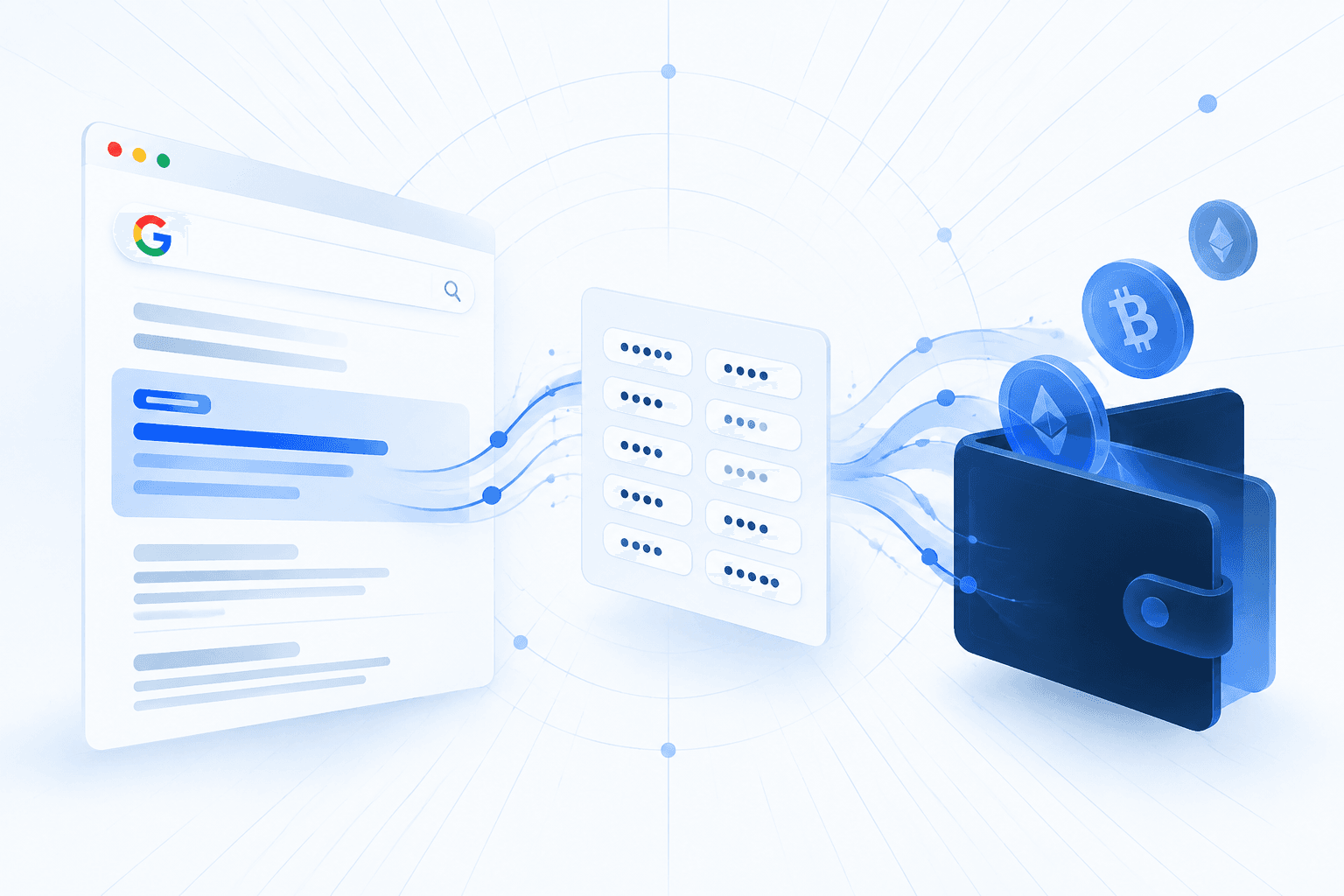
Separate infrastructure analysis tied Ledger-themed domains to a broader homograph-domain operation that also impersonated Brave, Signal, and Telegram through internationalized domain names encoded with the xn-- Punycode prefix. Silent Push identified domains such as xn--brav-yva[.]com, promoted through Google ads, that delivered ISO files linked to the RedLine infostealer, and said the registrations and hosting overlapped with other brand-impersonation activity. Together, the reporting shows attackers combining breach-themed social engineering, IDN spoofing, and malware delivery to compromise cryptocurrency holders and steal credentials or wallet access without attacking Ledger hardware directly.
Why it matters
Impact assessment
Threat actors targeted cryptocurrency users, especially Ledger customers exposed after the 2020 customer data breach, through punycode and other homograph domains impersonating Ledger and other trusted brands. The primary impact is direct theft of cryptocurrency via stolen wallet recovery phrases, with additional risk of credential theft and endpoint compromise from RedLine-infested installers delivered through impersonation infrastructure.
Supporting details
- Affected users: cryptocurrency holders, Ledger customers, and users seeking software from brands including Ledger, Brave, Signal, and Telegram.
- Affected platforms: Windows, macOS, and Linux in the Ledger Live trojanized installer campaign.
- Severity: high for individual victims because a stolen BIP-39 recovery phrase enables regeneration of private keys and theft of associated digital assets.
- Secondary impact: malware delivery through fake installers can lead to credential theft and broader endpoint compromise beyond wallet theft.
- Scope: broad opportunistic targeting rather than a narrow vertical; Proofpoint observed several thousand phishing emails and noted no clear industry or geographic targeting.
- Exploitation in the wild: yes. Proofpoint documented active phishing and recovery-phrase theft, and Silent Push/Morphisec linked related punycode infrastructure to RedLine delivery via Google ads.
- Attack focus: social engineering and brand impersonation rather than compromise of Ledger hardware wallets themselves.