Mallory
← Back to News
remote-access-implantpersistence-methodprivilege-escalation-methodcommand-and-control-method

Triada Android Trojan Hijacks Zygote for System-Wide App Injection and SMS Fraud

Malware Intelligence · 1 source · Updated 4mo ago · First seen May 15, 2017
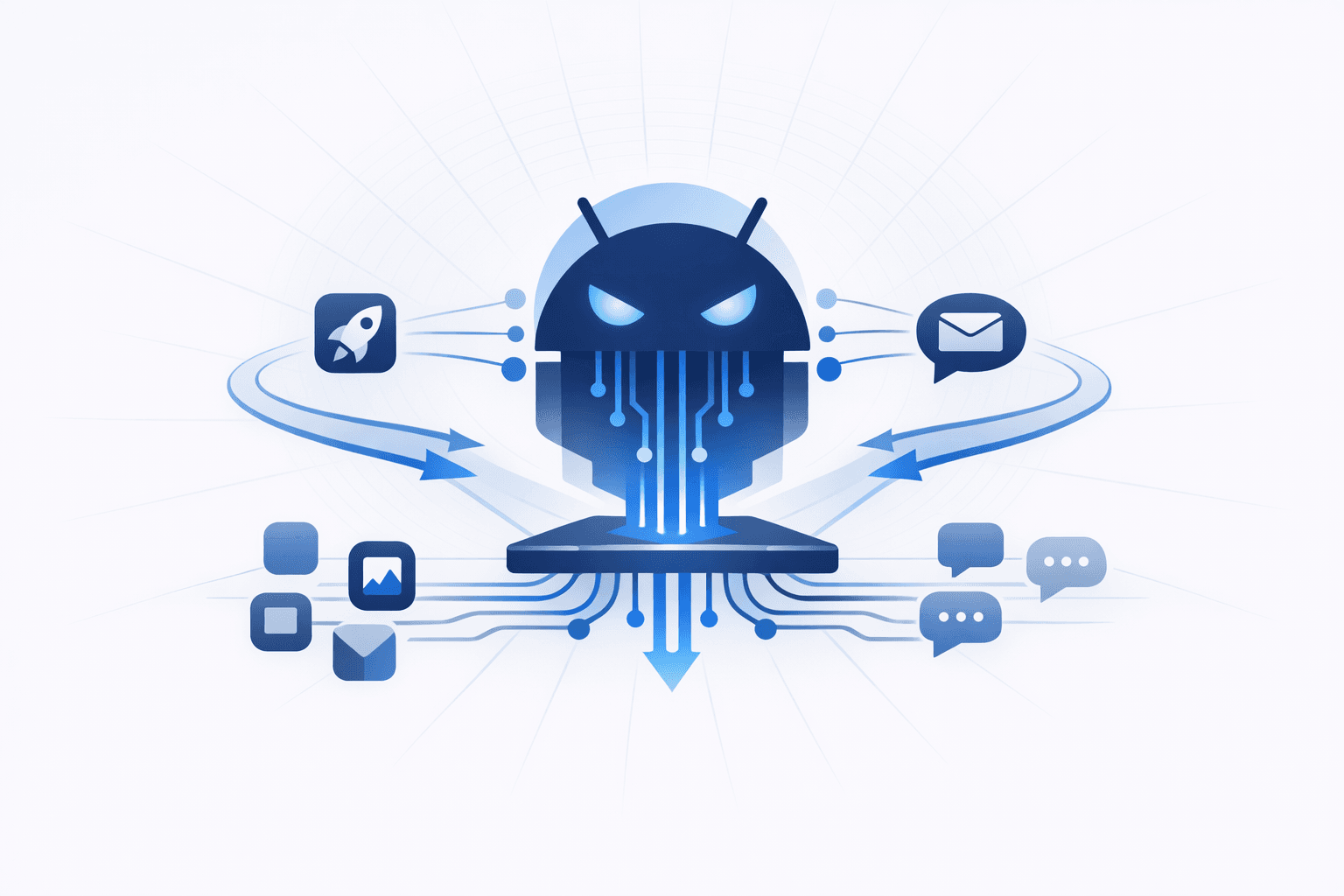
Triada Android Trojan Hijacks Zygote for System-Wide App Injection and SMS Fraud

Researchers detailed Triada, a modular Android Trojan that gains unauthorized root privileges through an ecosystem of rooting malware and ad-fraud botnets, then embeds itself in system application directories to survive reboots and evade removal. The malware downloads additional modules directly into memory, collects device identifiers and installed-app data, and communicates with hard-coded command-and-control servers while storing encrypted configuration data locally.

Triada’s most notable capability is patching Android’s Zygote process so its code is injected into nearly every app launched on an infected device, giving it broad visibility and control across the system. Operators used that access to monetize infections through SMS fraud, intercepting and altering outgoing messages tied to in-app payments so charges were redirected to attacker-controlled numbers, while filtering incoming SMS and hiding malicious packages, processes, and services from users and security tools.

Why it matters

Impact assessment

Triada affects Android devices, especially older versions up to Android 4.4.4, and any users exposed through rooting-malware ecosystems, ad-fraud botnets, or compromised device supply chains. The impact is high on infected devices because the malware gains root, persists in system directories, injects into nearly every launched app via Zygote, and enables financial fraud through SMS payment redirection while evading user and security-tool visibility.

Exposure appears broad within affected Android malware distribution channels rather than narrowly targeted to a single sector. The reporting describes active real-world abuse, including infections on newly purchased devices reportedly preloaded with malware and monetization through SMS fraud tied to in-app payments.

Supporting facts

  • Affected platform: Android.
  • Most affected versions: Android versions up to 4.4.4.
  • Distribution ecosystem: rooting malware and ad-fraud botnets including Leech, Ztorg, Gorpo, and Trojan.AndroidOS.Iop.
  • Persistence: installs into system application directories, surviving reboots and complicating removal.
  • User impact: unauthorized SMS charges, privacy loss, device compromise, and reduced trust in device integrity.
  • Enterprise impact: mobile fleet compromise risk, fraudulent billing, inability to trust app/process/package visibility on infected devices.
  • Known in-the-wild activity: yes; researchers described active abuse and noted some new devices from China were reportedly pre-installed with related malware.
  • Scale indicator from reference: Trojans with superuser privileges attacked about 10% of Android devices in the second half of 2015.
Hunt this familyPull IOCs and campaign context straight into your stack.
Get the IOCs
Event timeline

How this story unfolded

Events from the most recent confirmed update back to the earliest known activity.

3 events · 2015 – May 15, 2017
  1. May 15, 201710y ago

    Researchers document Triada's Zygote-based Android compromise technique

    Kaspersky's Securelist article described Triada as a modular Android Trojan that gained superuser privileges, installed itself in system directories, loaded modules only in memory, and patched the Android Zygote process to inject code into nearly all launched apps. The report also detailed its SMS-fraud monetization, interception of outgoing and incoming SMS, and stealth hooks that hid its components from users and security tools.

    Attack on Zygote: a new twist in the evolution of mobile threats | Securelist
  2. Reported May 15, 201710y ago

    Triada distributed through Android rooting and ad botnet ecosystem

    Triada was distributed through an Android advertising botnet formed by rooting malware families including Leech, Ztorg, Gorpo, and Trojan.AndroidOS.Iop. These threats used unauthorized root access to install apps, show aggressive advertising, and deliver additional malware such as Triada.

    Attack on Zygote: a new twist in the evolution of mobile threats | Securelist
  3. 2015

    Rooting malware with superuser privileges hit about 10% of Android devices

    The Securelist report states that Trojans with superuser privileges attacked about 10% of Android-based mobile devices in the second half of 2015. This rooting-malware ecosystem later served as a distribution channel for Triada.

    Attack on Zygote: a new twist in the evolution of mobile threats | Securelist
Linked entities

Related entities

Vulnerabilities, threat actors, malware, products, organizations, breaches, and observables Mallory has linked to this story. Indicator values are masked here and available in full in the app.

Open in app →

Observables

14 linked

Indicator values are masked on this page. View all 14 in Mallory Domains, IPs, hashes, and URLs are exportable to your SIEM.

Do you run this?Pull the IOCs, campaigns, and victimology behind this family, ready to push into your SIEM and EDR.
Hunt This Malware
Source coverage

Sources

1 reference tracked. Mallory keeps watching after this page renders.

Mallory platform

See the full picture, correlated to your attack surface.

This page covers what’s public. Mallory adds the parts that aren’t: which of your assets are affected, which threat actors are using it right now, and what to deploy next.

Exposure mappingMap indicators from this story to your assets and identify affected systems in minutes.
Threat actor evidenceEvery observed campaign, victim, and pivot linked to actors named in this story.
Associated malwareMalware, exploits, and IOCs connected to the activity described here.
Detection signaturesYARA, Sigma, and Snort rules deployed to your SIEM as soon as they’re published.
Scheduled alertsGet matching new stories delivered to your team as they break, not the next morning.
AI threadsAsk questions about this story and take action on the answers.