Midas Ransomware Attack Used Malicious Windows Services and DLL Sideloading
Threat Actor Intelligence · 2 sources · Updated 4mo ago · First seen Dec 8, 2021
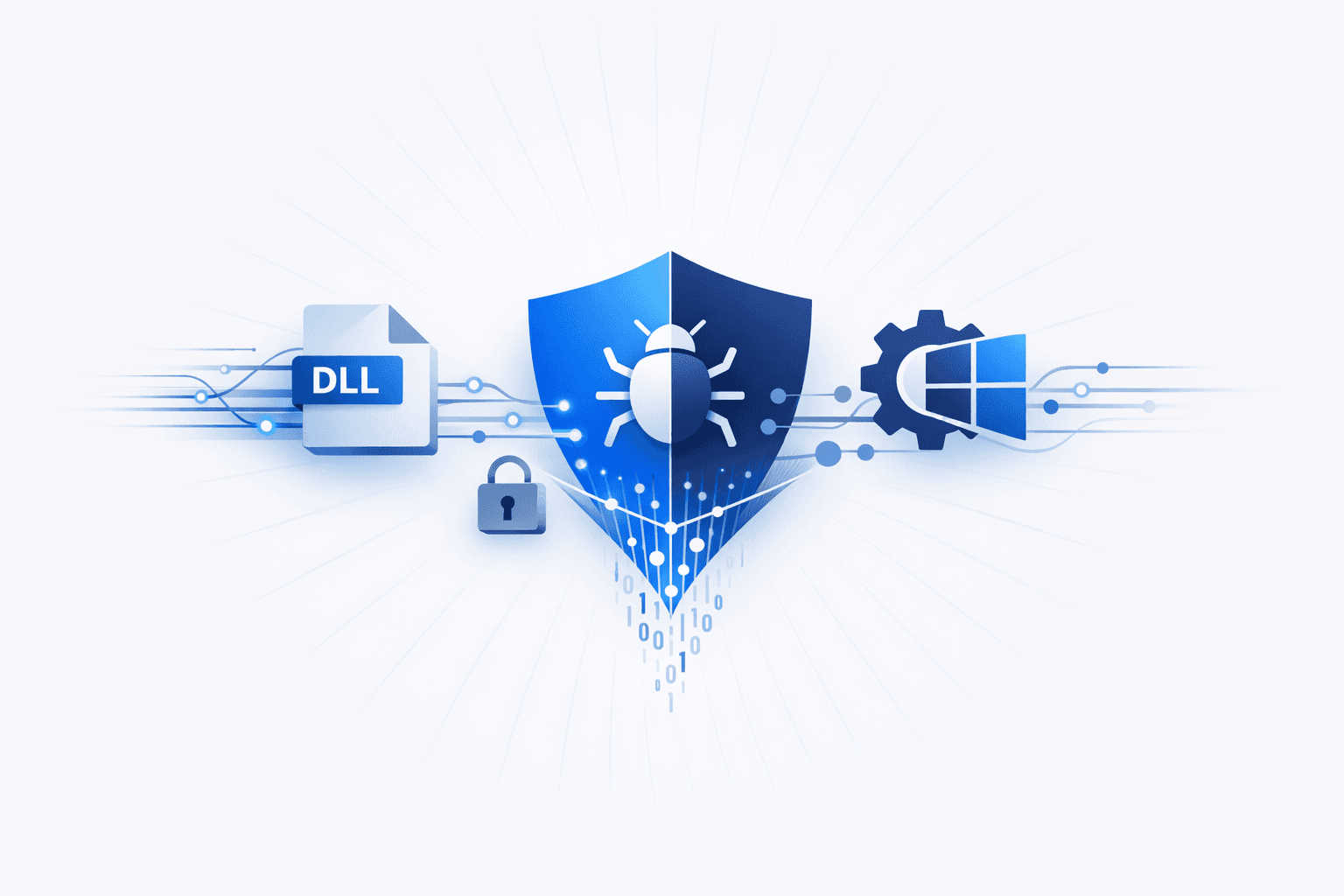
Attackers behind a Midas ransomware intrusion spent at least two months inside an unnamed technology vendor before launching encryption, using a combination of internal RDP, PowerShell, DISM, AnyDesk, TeamViewer, and Process Hacker (now known as System Informer) to move laterally and prepare the environment. Investigators found evidence that the intruders gained administrator-level access to a domain controller, harvested credentials with Mimikatz, exfiltrated data, and repeatedly created malicious Windows services to maintain access and stage the attack.
The operation culminated in the deployment of a malicious DismCore.dll through DLL sideloading and the start of ransomware activity on a limited number of servers. Response efforts interrupted the attack before broader encryption could occur, but the case highlighted how a flat network, unused remote-access tools, weak monitoring, and the absence of MFA increased the victim’s exposure and enabled the attackers to establish persistence, escalate privileges, and advance toward ransomware execution.
Why it matters
Impact assessment
A technology vendor with a predominantly Windows Server environment was compromised by Midas ransomware operators who maintained access for at least two months before attempting encryption. The impact included credential theft, domain controller compromise, data exfiltration, persistence across multiple servers, and attempted disruption of security, backup, database, and business services.
The exposure was serious but operational impact was partially contained because incident response interrupted the final stage before broad encryption. This appears to be a targeted intrusion rather than indiscriminate mass exploitation, and the story describes hands-on-keyboard activity in a live victim environment.
Supporting facts
- Affected organization: unnamed technology vendor.
- User population and environment: Citrix-virtualized employee desktops; most physical devices were Windows Servers acting as VM hypervisors.
- Scope of compromise: attackers obtained administrator-level access to a domain controller and backdoored multiple servers.
- Dwell time: at least two months before ransomware deployment.
- Business impact observed:
- Data exfiltration occurred.
- Credentials were harvested and stored in a file named
Passwords.txt. - Ransomware deployment began on December 7, 2021.
- Servers malfunctioned and ransom notes were discovered.
- Limiting factor: Sophos Rapid Response engagement on December 8, 2021 blocked further attacker activity and broader encryption.
- Scope of final encryption: limited to a small number of servers.
- Conditions that increased exposure: flat network, unused remote-access tools left installed, weak monitoring, and absence of MFA.