Mallory
← Back to News
actively-exploited-vulnerabilityinternet-facing-service-vulnerabilitywidely-deployed-product-advisoryrapid-weaponization

Atlassian Confluence Zero-Day CVE-2022-26134 Exploited for Malware and Ransomware

Active Exploitation · 8 sources · Updated 3mo ago · First seen Jun 2, 2022

Atlassian Confluence Zero-Day CVE-2022-26134 Exploited for Malware and Ransomware

Attackers actively exploited Atlassian Confluence vulnerability CVE-2022-26134, a critical unauthenticated remote code execution flaw caused by OGNL injection, against on-premises Confluence Server and Data Center systems. Volexity first reported in-the-wild exploitation, and Atlassian confirmed that all supported self-managed versions prior to patched releases were affected, while Atlassian Cloud was not vulnerable. Atlassian issued fixed versions including 7.4.17, 7.13.7, 7.14.3, 7.15.2, 7.16.4, 7.17.4, and 7.18.1, and also published temporary mitigation steps for organizations unable to patch immediately.

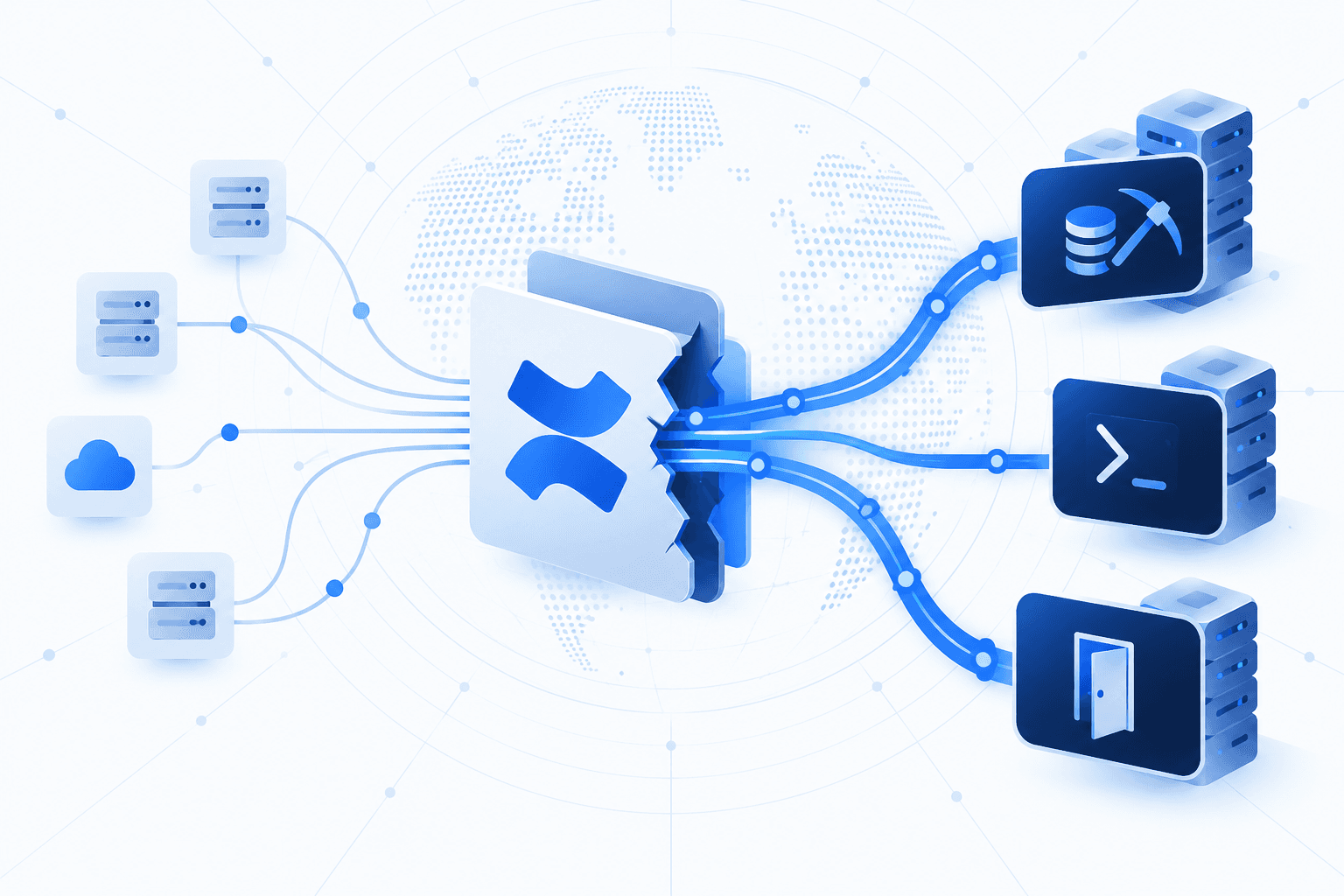
Follow-on attacks used the exploit’s in-memory shell to deliver a wide range of payloads on both Linux and Windows servers, including Gafgyt/Mirai-like botnets, Monero cryptominers, z0miner, Cobalt Strike shellcode, web shells, and a malicious Linux package dubbed pwnkit. Sophos also observed attempts to deploy Cerber ransomware on Windows systems using curl and encoded PowerShell to fetch a payload from the %temp% directory, while Barracuda reported sustained exploitation months after disclosure, with automated reconnaissance, architecture-specific malware downloaders, and some malicious infrastructure remaining online for extended periods.

Why it matters

Impact assessment

CVE-2022-26134 is a critical, actively exploited unauthenticated RCE affecting self-managed Atlassian Confluence Server and Data Center deployments. The exposure is broad across internet-facing on-premises Confluence instances, with observed post-exploitation ranging from botnet enrollment and cryptomining to attempted Cerber ransomware deployment on Windows servers.

Who is affected

  • Organizations running Atlassian Confluence Server or Data Center, especially internet-exposed on-premises deployments.
  • All supported self-managed versions prior to fixed releases were affected; older versions after 1.3.0 were also exposed.
  • Atlassian Cloud sites hosted on atlassian.net were not vulnerable.

Severity and business impact

  • High risk of full server compromise because exploitation is unauthenticated and yields arbitrary code execution.
  • Observed impacts include malware installation, cryptomining resource theft, web shell persistence, Cobalt Strike deployment, and attempted ransomware execution.
  • Successful ransomware execution would have caused file encryption, operational disruption, ransom pressure, and reputational impact.

Scope and exploitation status

  • Exploitation in the wild was confirmed by Volexity and acknowledged by Atlassian at disclosure.
  • Sophos, Barracuda, and MBSD-SOC all reported sustained exploitation, including automated scanning and payload delivery.
  • Barracuda observed continued exploitation months after disclosure, indicating long-tail risk from unpatched systems.

Incident observations

  • Sophos observed two Windows incidents where attackers attempted to deploy Cerber ransomware.
  • In those Sophos cases, CryptoGuard blocked encryption and Sophos found no evidence of data exfiltration or lateral movement.
  • Multiple Linux and Windows payload families were observed, showing opportunistic mass exploitation rather than a single targeted campaign.
This is being exploited nowSee which actors are running it and whether you're in range.
Check your exposure
Event timeline

How this story unfolded

Events from the most recent confirmed update back to the earliest known activity.

6 events · May 2022 – Aug 2022
  1. Reported Jan 1, 202611mo ago

    Sophos observes Confluence exploitation used to attempt Cerber ransomware deployment

    Sophos tracked several attacks against vulnerable Windows and Linux Confluence servers, including two Windows incidents where attackers used the exploit-created in-memory shell to try to deploy Cerber ransomware. Sophos said CryptoGuard blocked both ransomware attempts before damage occurred and found no evidence of data exfiltration or lateral movement in those cases.

    Confluence exploits used to drop ransomware on vulnerable servers | SOPHOS
  2. Reported Sep 28, 20224y ago

    Barracuda documents Gafgyt and cryptominer payloads in Confluence attacks

    Barracuda detailed multiple payload chains delivered via CVE-2022-26134, including a shell script that fetched architecture-specific Gafgyt binaries, a Windows Monero cryptominer chain that disabled Defender, and a likely Linux cryptominer payload. The report also noted some of the malicious infrastructure remained online at the time of writing.

    Threat Spotlight: Continuing attacks on Atlassian Confluence zero day | Barracuda Networks Blog
  3. Aug 2022

    Barracuda reports sustained post-disclosure exploitation of CVE-2022-26134

    After disclosure and proof-of-concept publication, Barracuda observed large numbers of exploitation attempts ranging from reconnaissance to malware delivery. It said the attack pattern continued through the summer, with only a slight drop in overall volume by August.

    Threat Spotlight: Continuing attacks on Atlassian Confluence zero day | Barracuda Networks Blog
  4. Jun 2, 20224y ago

    Atlassian issues advisory, patches, and mitigations for CVE-2022-26134

    On June 2, 2022, Atlassian published a security advisory for Confluence Server and Data Center, confirmed active exploitation, released fixed versions, and provided temporary mitigation steps for customers unable to upgrade immediately.

    Confluence Security Advisory 2022-06-02 | Confluence Data Center 10.2 | Atlassian Documentation
  5. Jun 2, 20224y ago

    Volexity discloses active exploitation of Confluence zero-day CVE-2022-26134

    On June 2, 2022, Volexity coordinated disclosure of CVE-2022-26134, an Atlassian Confluence remote code execution vulnerability that was already under active exploitation in the wild.

    Threat Spotlight: Continuing attacks on Atlassian Confluence zero day | Barracuda Networks Blog
  6. May 2022

    URLhaus records Gafgyt-hosting infrastructure tied to Confluence exploitation

    Barracuda reported that the earliest URLhaus submissions for an IP serving Gafgyt malware dated to late May 2022, indicating the malicious infrastructure used in later Confluence exploitation had been active for months.

    Threat Spotlight: Continuing attacks on Atlassian Confluence zero day | Barracuda Networks Blog
Linked entities

Related entities

Vulnerabilities, threat actors, malware, products, organizations, breaches, and observables Mallory has linked to this story. Indicator values are masked here and available in full in the app.

Open in app →

Malware

2 linked

Affected products

4 linked
Confluence Data CenterConfluenceConfluence ServerConfluence

Organizations

1 linked
Atlassian

Observables

19 linked

Indicator values are masked on this page. View all 19 in Mallory Domains, IPs, hashes, and URLs are exportable to your SIEM.

Do you run this?Correlate live exploitation activity against the software you actually run, and see where you're exposed.
See Who's Exploiting This
Mallory platform

See the full picture, correlated to your attack surface.

This page covers what’s public. Mallory adds the parts that aren’t: which of your assets are affected, which threat actors are using it right now, and what to deploy next.

Exposure mappingMap indicators from this story to your assets and identify affected systems in minutes.
Threat actor evidenceEvery observed campaign, victim, and pivot linked to actors named in this story.
Associated malwareMalware, exploits, and IOCs connected to the activity described here.
Detection signaturesYARA, Sigma, and Snort rules deployed to your SIEM as soon as they’re published.
Scheduled alertsGet matching new stories delivered to your team as they break, not the next morning.
AI threadsAsk questions about this story and take action on the answers.