Joker Android malware kept infiltrating Google Play to steal SMS and commit subscription fraud
Malware Intelligence · 9 sources · Updated 4mo ago · First seen Aug 14, 2026

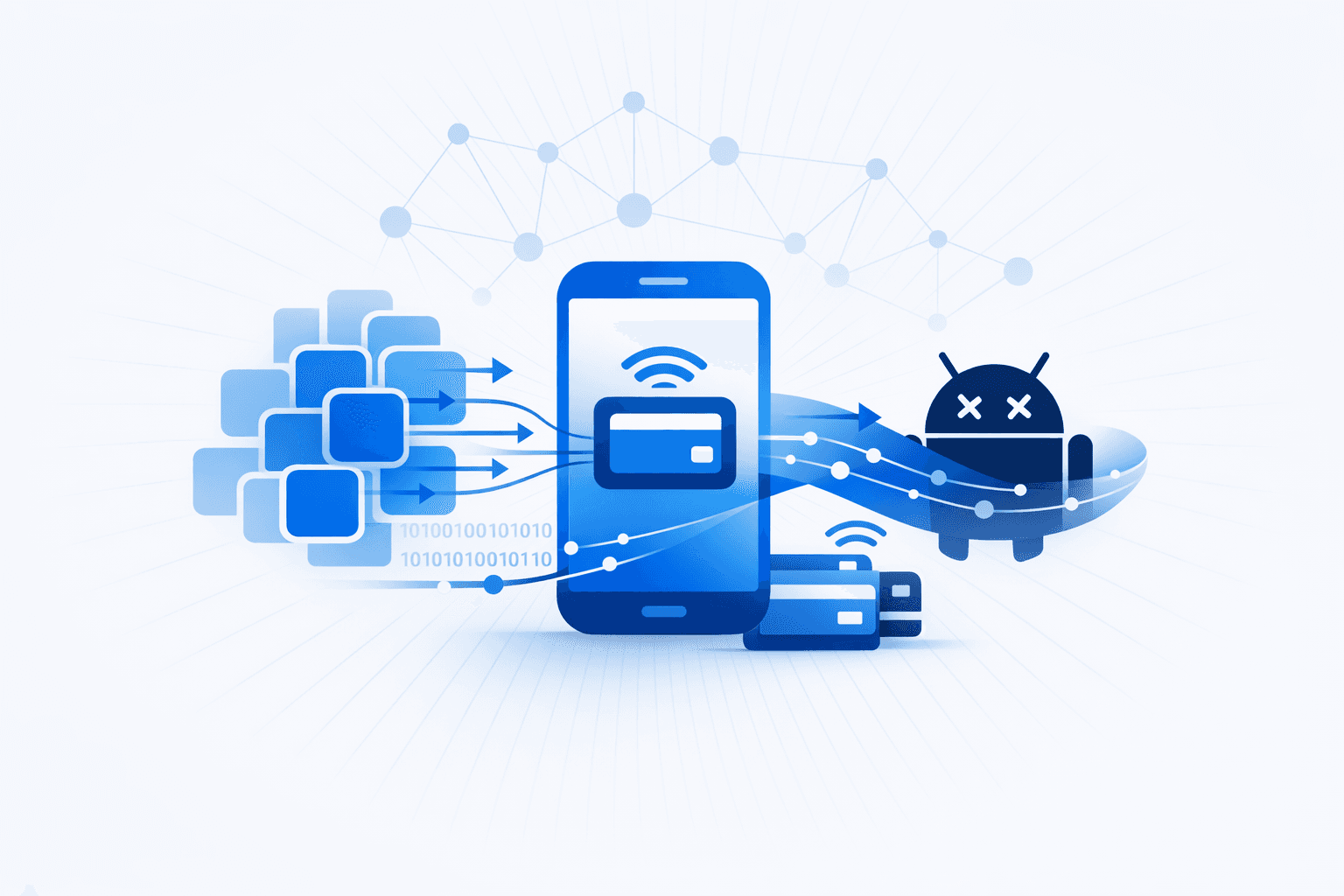
The Joker Android malware repeatedly infiltrated Google Play through seemingly legitimate apps, where it used multistage payload delivery, dynamic code loading, and heavy obfuscation to evade review while stealing SMS messages, contacts, device data, and notification content. Researchers tied campaigns across dozens of apps and hundreds of thousands of installs, including trojanized utility, wallpaper, camera, and medical-themed applications. Multiple reports showed Joker hiding malicious logic in ad frameworks, splash-screen code, packed APKs, Apache Cordova components, and runtime-loaded .dex or .jar files, with some samples using DexClassLoader, JavaScript-to-Java bridges, and notification-listener abuse to capture one-time PINs and SMS content without directly requesting sensitive permissions.
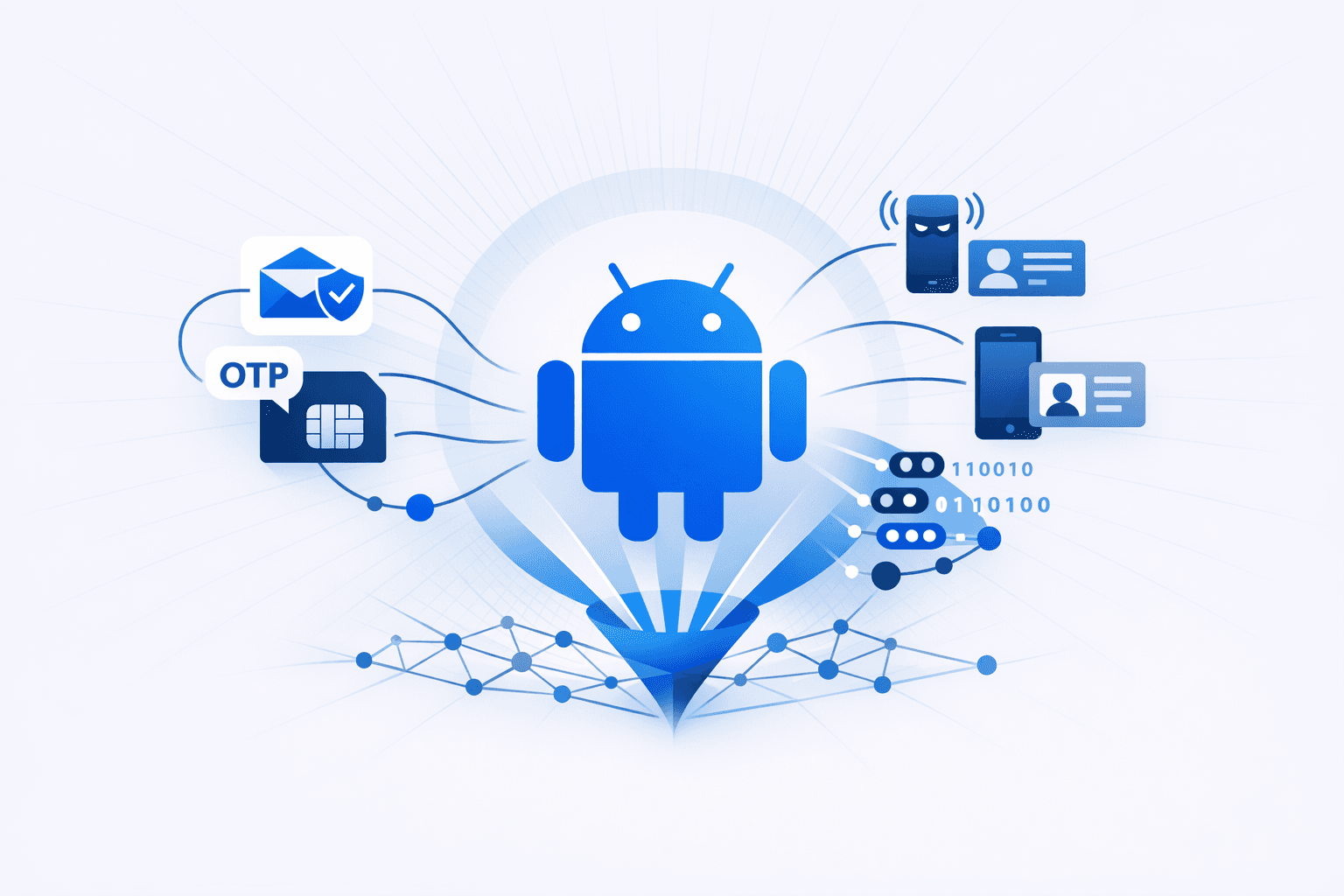
The malware’s primary objective was premium-service fraud: it identified victims by SIM or mobile country code, selectively targeted users in specific countries, intercepted verification messages, and silently enrolled devices in premium WAP or premium SMS subscriptions. Analysts observed infrastructure hosted on domains and cloud storage including Aliyun OSS, as well as payload concealment through GitHub-hosted resources, while newer variants unpacked themselves at runtime with commercial packers and fetched additional stages from remote servers before activating classes absent from the original APK. Google removed identified malicious apps from the Play Store, but the reporting showed Joker remained active for years and continuously adapted its delivery and evasion techniques to sustain mobile fraud operations.
Why it matters
Impact assessment
Joker affected Android users who installed trojanized Google Play apps across utility, wallpaper, camera, messaging, scanner, translator, and medical-themed categories. The primary impact was financial fraud through premium WAP or premium SMS subscriptions, with secondary privacy impact from theft of SMS content, contacts, device identifiers, account data, and notification content.
The exposure was broad rather than narrowly targeted because multiple campaigns reached Google Play repeatedly over several years, with dozens of malicious apps and hundreds of thousands of installs. Exploitation in the wild is established by repeated researcher observations of active payload delivery, country-based victim selection, SMS interception, and premium-service enrollment workflows.
Supporting facts
- Google Play was repeatedly used as the distribution channel for Joker-laced apps.
- Researchers identified 24 infected apps with more than 472,000 installs in one 2019 campaign.
- Later reporting tied Joker to multiple additional Play Store apps including camera, wallpaper, scanner, messaging, translator, and health-themed packages.
- Victims were selectively targeted by SIM/mobile country code, with campaigns focusing on EU and Asian countries and some samples avoiding execution in the US and Canada.
- Trend Micro reported targeting aligned to a Thai mobile operator in one sample.
- Business impact includes direct user billing fraud, potential customer support burden, app-store trust erosion, and reputational damage for organizations distributing Android apps or managing mobile fleets.
- Google removed identified apps from Play, but reporting shows the malware remained active for years and continuously adapted.