BotenaGo-Derived Malware Targets Lilin DVRs to Deploy Mirai
Vulnerability Disclosure · 2 sources · Updated 4mo ago · First seen Aug 14, 2026

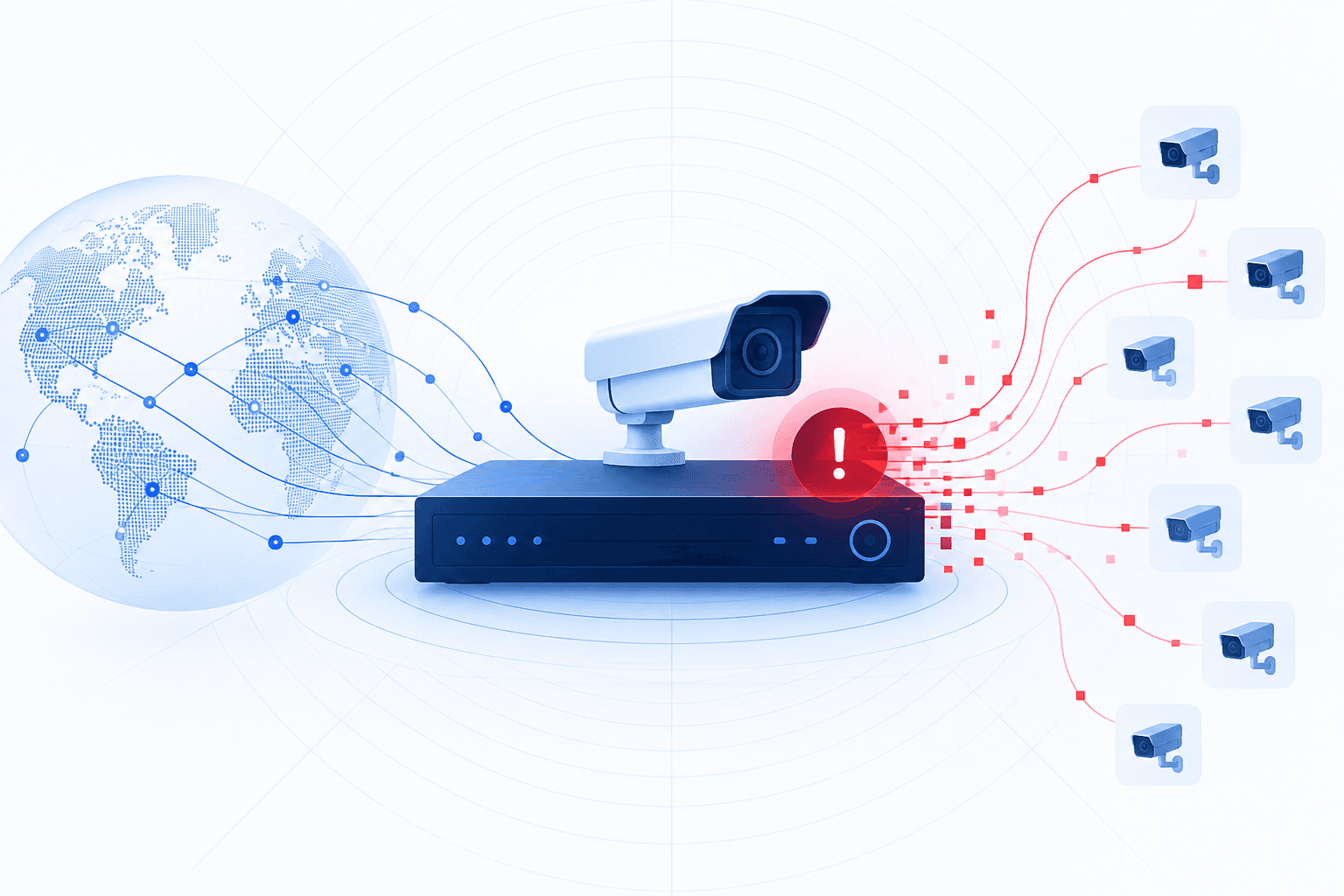
Researchers reported continued evolution of the Go-based BotenaGo malware family, which was previously observed targeting millions of routers and IoT devices with more than 30 embedded exploits. A newly identified derivative, dubbed Lillin scanner, narrows that broad approach and instead focuses on Lilin security camera DVRs, reusing portions of leaked BotenaGo source code while dropping most of the original exploit set.
The malware attempts HTTP basic authentication with 11 hardcoded credential pairs and exploits an older critical command-injection flaw in the DVR's NTP configuration interface by sending crafted POST requests to /dvr/cmd or /cn/cmd. Successful compromise causes the device to fetch wget.sh from 136.144.41[.]169, which then downloads and executes Mirai binaries for multiple CPU architectures. Researchers said the tool appears designed for manual or semi-manual targeting rather than fully autonomous worm-like propagation.
Why it matters
Impact assessment
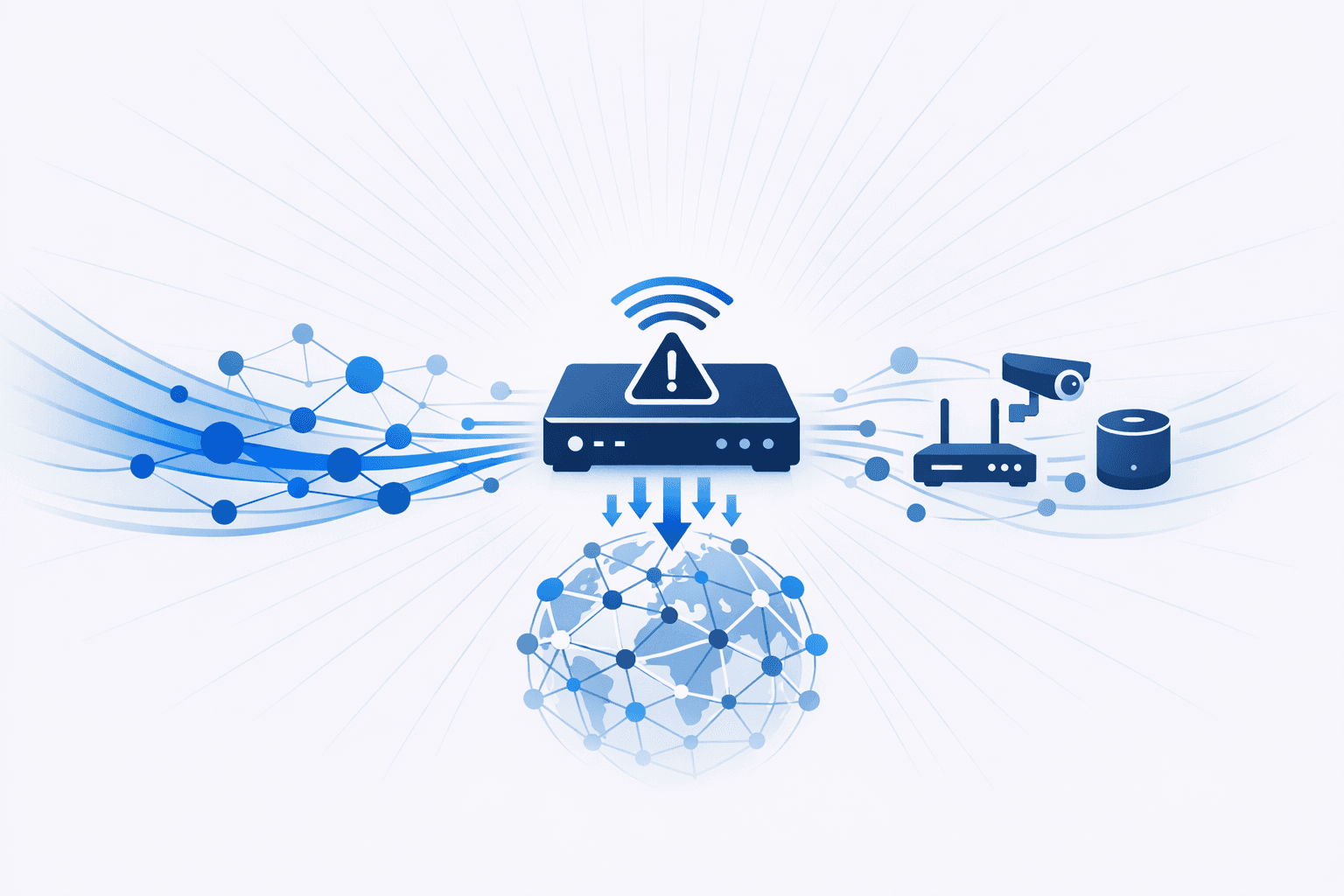
This activity affects organizations and consumers operating Lilin security camera DVRs, especially internet-exposed devices with weak or default credentials or unpatched web interfaces. Successful compromise can convert DVRs into Mirai botnet nodes, creating risk of operational disruption, downstream DDoS participation, reputational damage, and potential loss of visibility into physical security environments.
The exposure is targeted rather than indiscriminate worm-like propagation, but the underlying weakness is severe because the malware combines credential attacks with exploitation of a critical command-injection flaw rated CVSS 10.0. The reporting describes active malware capability and payload delivery to deploy Mirai, which is sufficient to treat this as in-the-wild exploitation of vulnerable Lilin DVRs.
Supporting facts
- Affected product: Lilin security camera DVR devices.
- Affected population: internet-exposed IoT and physical security deployments using Lilin DVRs.
- Malware family: BotenaGo-derived “Lillin scanner” leading to Mirai deployment.
- Impact outcome: device compromise followed by download and execution of Mirai binaries.
- Scope: targeted or semi-manual operations using attacker-supplied IP lists, not autonomous worm propagation.
- Severity driver: exploitation of an older Lilin DVR command-injection flaw in the NTP configuration interface with vendor-assigned CVSS v3.1 score 10.0.
- Operational risk: compromised DVRs can be conscripted into botnet activity and may impair trust in surveillance infrastructure.
- Wild activity indicator: researchers observed a functioning scanner and payload chain using live infrastructure at 136.144.41[.]169.