DOJ Seizes 39 Domains Tied to HeartSender Cybercrime Marketplace
Threat Actor Intelligence · 2 sources · Updated 4mo ago · First seen Jan 30, 2025

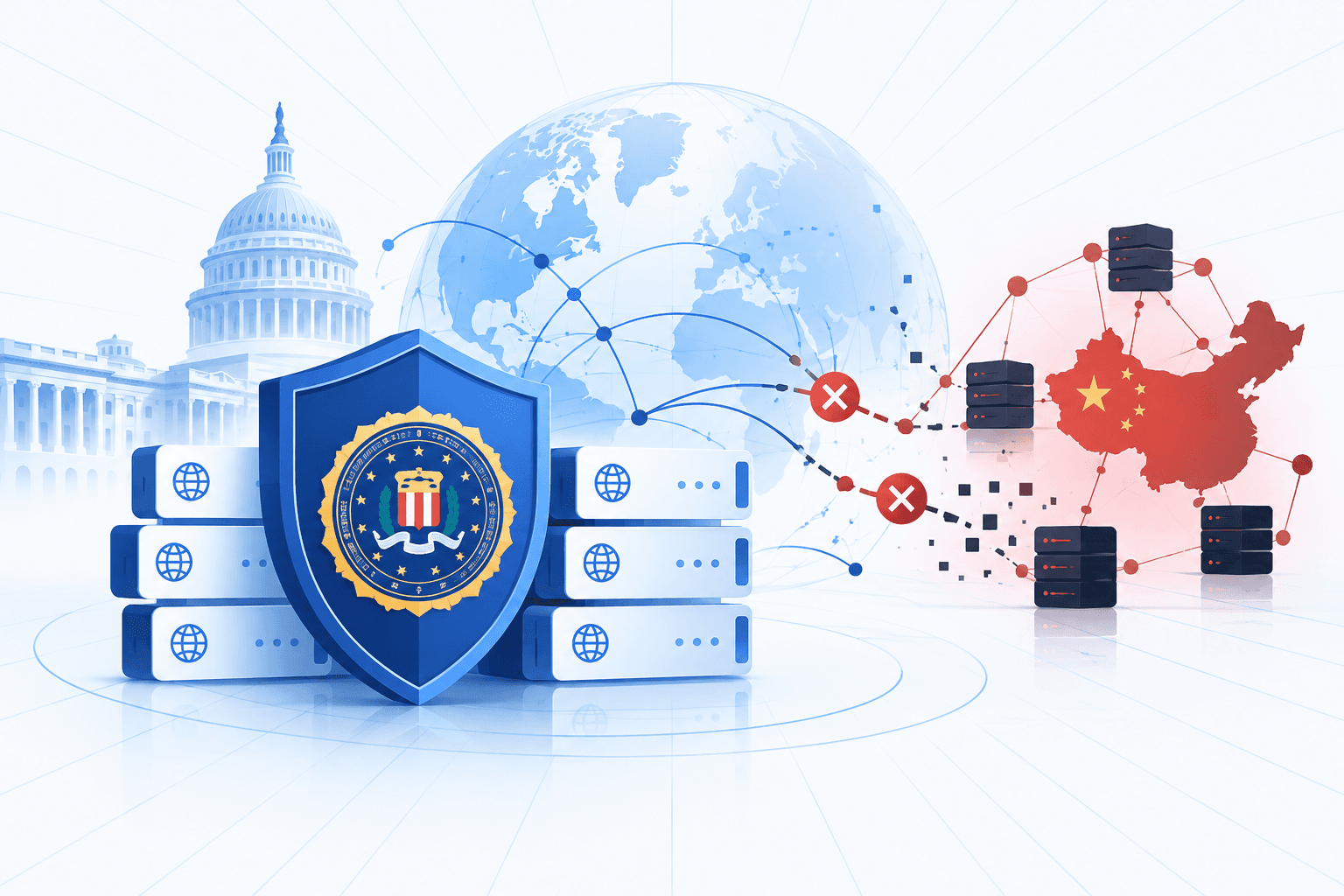
The U.S. Department of Justice said it seized 39 domains and associated servers linked to a Pakistan-based cybercrime marketplace network allegedly operated by Saim Raza, also known as HeartSender. Prosecutors said the sites sold phishing kits, scam pages, email extractors, and other fraud-enabling tools to transnational organized crime groups, with the tooling used largely in business email compromise and credential-theft schemes that caused more than $3 million in victim losses. The takedown was carried out with the Dutch National Police as part of an international disruption effort targeting infrastructure that had allegedly supported criminal activity since at least 2020.
Prior threat intelligence had linked the same ecosystem to the Manipulaters Team, a Pakistani group accused of marketing spam and malware tooling under the Saim Raza persona and advertising products as FUD to suggest evasion of antivirus and anti-spam defenses. Researchers identified recurring infrastructure patterns across the network, including domains using nameservers from blazingfast.io and cloudflare.com, registrations through Internet Domain Service BS Corp., hosting on Netsolutions and Cloudflare, and naming conventions featuring terms such as fud, tool, page, sender, and spam. Authorities also said the marketplaces offered training materials, including YouTube tutorials, lowering the barrier for less technically skilled fraud actors.
Why it matters
Impact assessment
The disruption targets a long-running cybercrime marketplace ecosystem that enabled business email compromise, credential theft, and phishing operations against U.S. victims. Affected organizations are primarily enterprises exposed to email-based fraud, especially finance, accounts payable, and identity-dependent workflows; the reported harm already exceeds $3 million in victim losses.
The impact is operational and financial rather than destructive: the tooling supported payment redirection fraud, account compromise, and follow-on abuse of stolen credentials. Scope appears broad and transnational because the marketplaces operated openly on the internet since at least 2020, sold to multiple organized crime groups, and lowered the barrier to entry through training materials and YouTube tutorials.
Supporting facts
- U.S. DOJ seized 39 domains and associated servers tied to the marketplace network on 2025-01-29, announced 2025-01-30.
- The infrastructure was allegedly operated by Pakistan-based Saim Raza, aka HeartSender.
- DOJ states the marketplaces sold phishing kits, scam pages, email extractors, and other fraud-enabling tools.
- Purchasers were described as transnational organized crime groups.
- The tooling was used largely in business email compromise and credential-theft schemes.
- DOJ attributed more than $3 million in victim losses to activity linked to the tools.
- The ecosystem allegedly operated since at least 2020.
- The marketplaces provided training content, including YouTube tutorials, reducing required attacker skill.
- The operation was coordinated with the Dutch National Police, indicating international law-enforcement interest and cross-border victimization.
Affected entities and exposure
- User populations: organizations reliant on email-based payment workflows and users vulnerable to credential phishing.
- Industries: not explicitly limited in the source; likely broad exposure across sectors with invoice/payment processes.
- Products/services affected: enterprise email accounts, payment approval workflows, identity systems, and downstream SaaS accounts accessed with stolen credentials.
- Exploitation status: yes, the story describes real-world criminal use and victim losses, not merely theoretical exposure.