SystemBC Malware-as-a-Service Expanded From Exploit Kit Proxy to Ransomware Enabler
Threat Actor Intelligence · 5 sources · Updated 4mo ago · First seen Jul 13, 2019
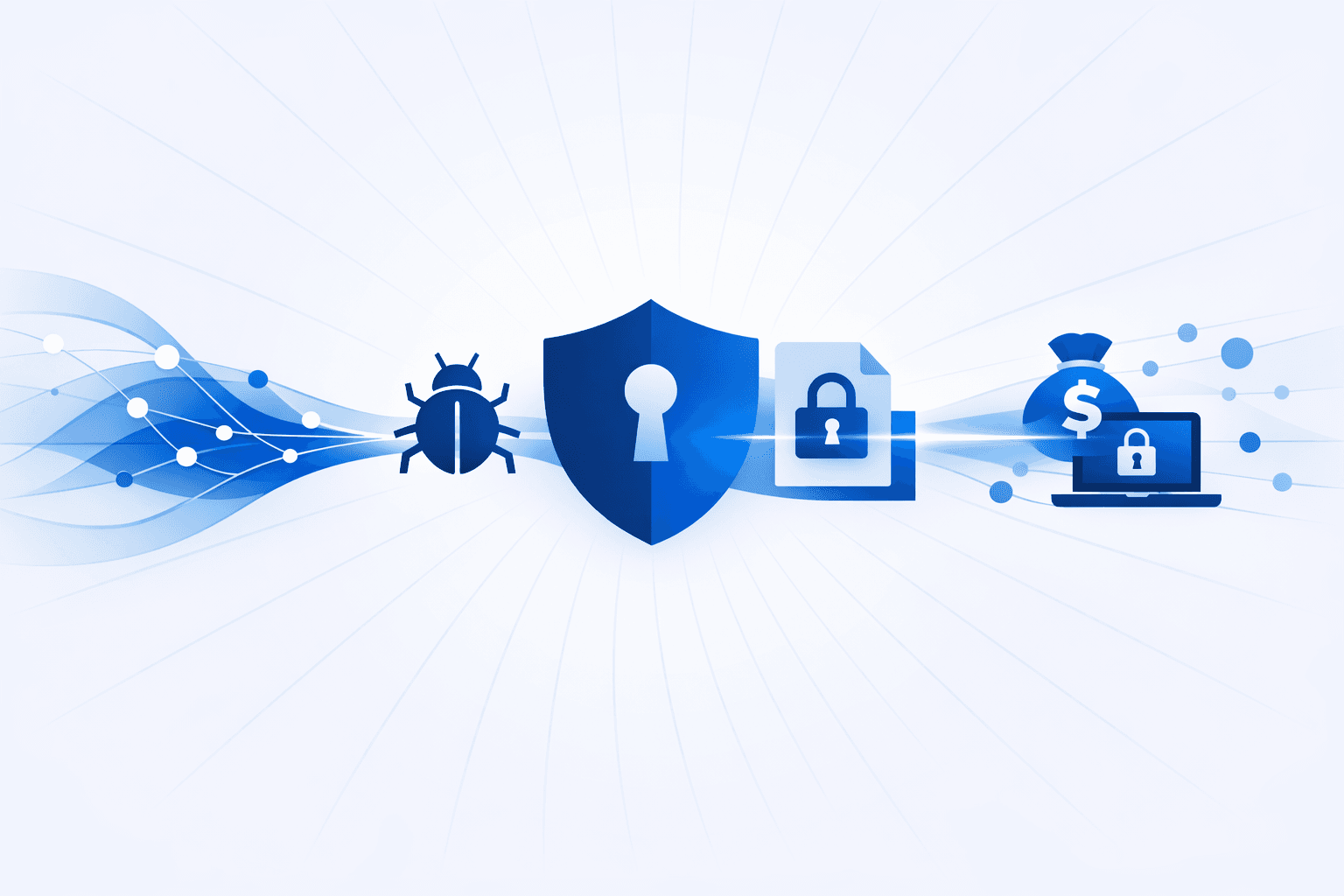
Researchers reported that SystemBC evolved from a Windows SOCKS5 backconnect proxy delivered through RIG and Fallout exploit kits into a broader malware-as-a-service platform used by multiple cybercrime groups. Early campaigns tied the malware to Danabot and AZORult delivery, with the implant tunneling command-and-control traffic and obscuring follow-on activity through infected hosts. Technical analysis showed SystemBC used encrypted configuration data, RC4-protected communications, and support for .bit domain resolution, while underground advertising indicated it was being sold as a dedicated proxy service for other operators.
Later reporting linked SystemBC customers to TrickBot, QBot, and IcedID activity and described a TOR-based sales and build system that allegedly generated more than $100,000 in malware build revenue. Investigators said they identified infrastructure behind the service, recovered customer build data and panel components, and observed some deployments tasking bots to fetch Cobalt Strike payloads. A newer PowerShell variant, socks5.ps1, embedded command-and-control details, registered infected hosts with host metadata, and launched PowerShell jobs to proxy traffic, reinforcing SystemBC's role as a post-compromise access layer increasingly associated with enterprise ransomware operations.
Why it matters
Impact assessment
SystemBC is a post-compromise proxy and payload delivery service that affects Windows and Linux environments and is especially relevant to enterprises exposed to commodity malware, exploit kits, banking trojans, and ransomware affiliates. The impact is high because the malware provides durable covert access, enables follow-on tooling such as Cobalt Strike and PoshC2, and can persist after the initial infection chain is removed.
The exposure is broad rather than narrowly targeted. Reporting cited more than 56,000 unique infected IPs in a short observation window, with infections concentrated across India, Indonesia, Pakistan, Thailand, Brazil, the United States, Egypt, the Philippines, Algeria, and Turkey. Multiple crimeware ecosystems have used the service, including operators associated with Danabot, AZORult, TrickBot, QBot, IcedID, and Ryuk-linked activity.
Known malicious use in the wild is established across several years. SystemBC was observed in Fallout and RIG exploit kit campaigns, later as a malware-as-a-service platform sold to other operators, and in deployments that fetched Cobalt Strike payloads to support enterprise ransomware operations.
Affected entities and exposure
- Products/platforms affected: Windows and Linux systems
- User populations affected: organizations exposed to exploit kits, loader malware, banking trojans, and ransomware intrusion chains
- Industries affected: broad cross-sector enterprise exposure; no single vertical is exclusive
- Scope: widespread global infections with criminal reuse across multiple unrelated campaigns
Severity drivers
- Enables covert SOCKS5 proxying through victim hosts
- Obscures downstream command-and-control and operator traffic
- Supports in-memory or low-friction execution of follow-on payloads
- Can remain installed after primary malware cleanup, preserving attacker access
- Associated with ransomware-enabling post-compromise access
Entities named in reporting
- Malware/services: SystemBC, Coroxy, Danabot, AZORult, Amadey Loader, TrickBot, QBot, IcedID, Cobalt Strike, PoshC2, Maze ransomware, PowerEnum, Brushaloader
- Infrastructure/services: RIG exploit kit, Fallout exploit kit, TOR-based build/payment system
- Organizations/researchers: Proofpoint, Bitsight, Walmart Global Tech Infosec, Sophos, VK Intel, @nao_sec, Vitali Kremez