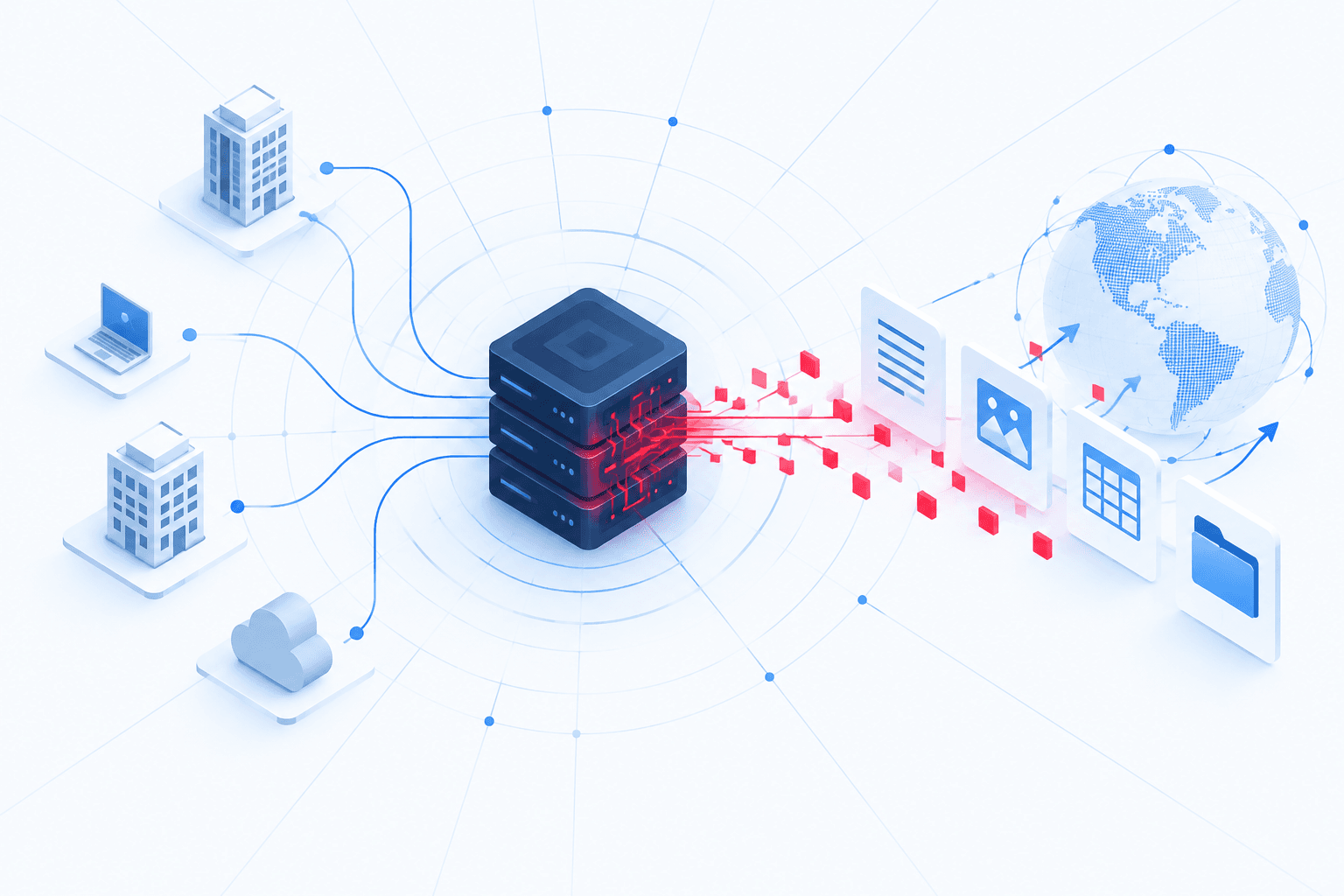
MedusaLocker ransomware expands enterprise encryption and double-extortion operations
Threat Actor Intelligence · 6 sources · Updated 4mo ago · First seen Sep 29, 2025
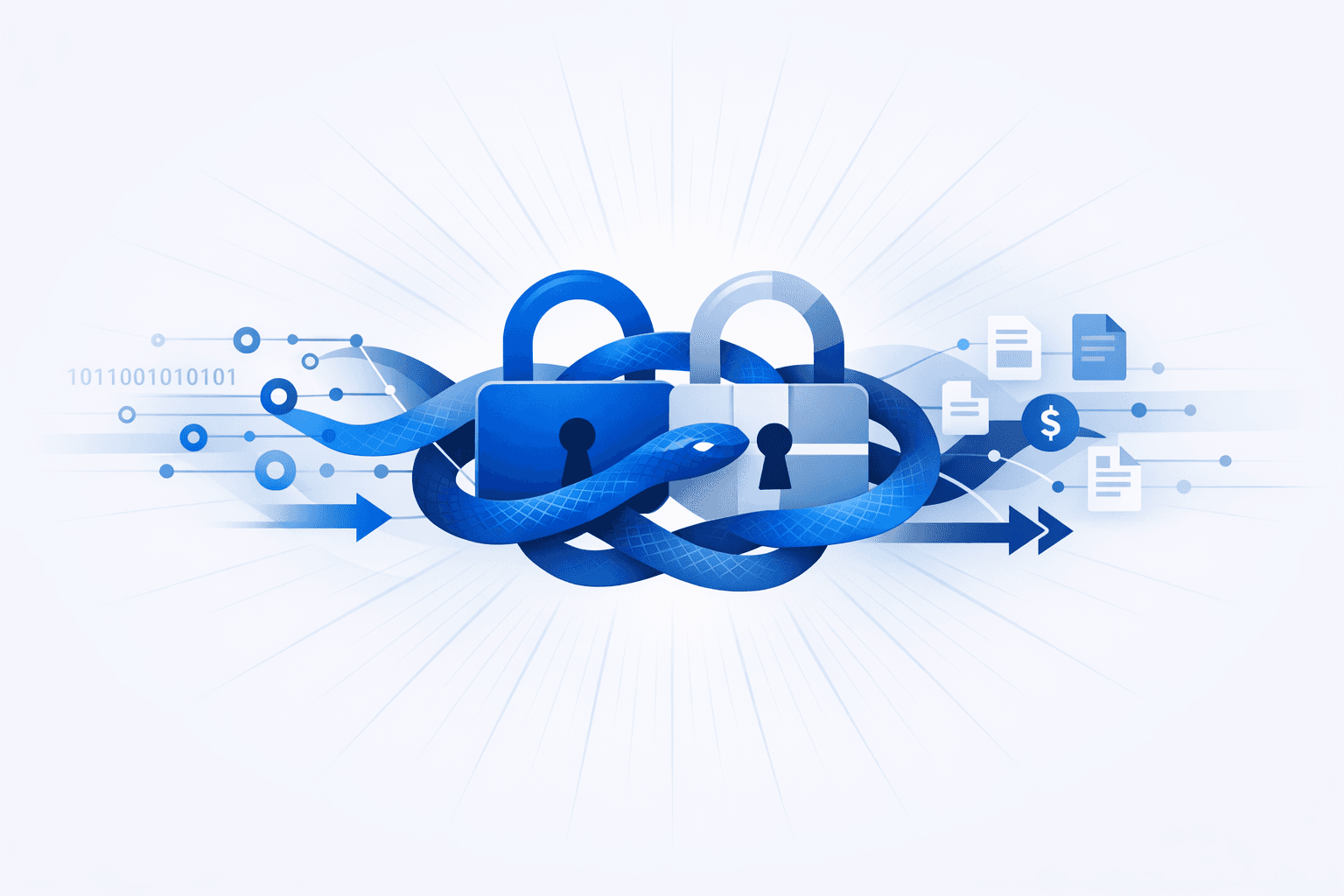
MedusaLocker has continued to evolve from its 2019 origins into a mature ransomware operation that targets enterprise networks through exposed or weakly secured RDP, stolen or brute-forced credentials, phishing, spam, and vulnerable VPN or edge devices. U.S. government reporting has described the threat as a ransomware-as-a-service model in which affiliates conduct intrusions and share proceeds with developers, while multiple technical profiles show the malware encrypting local disks, mapped drives, accessible SMB shares, and broader network resources after gaining a foothold. Later variants, including MedusaLocker v3 or BabyLockerKZ, also steal data to support double extortion and focus on maximizing damage inside victim environments rather than relying on external command-and-control traffic.
Across variants, MedusaLocker uses AES-256 encryption with RSA-2048 key protection, deletes shadow copies and backups to hinder recovery, and establishes persistence through scheduled tasks, roaming-profile executables, and registry-based mechanisms such as HKCU\SOFTWARE\PAIDMEMES or HKEY_CURRENT_USER\SOFTWARE\MDSLK\Self. Researchers and government agencies report additional behaviors including PowerShell execution, safe-mode reboots to impair defenses, UAC bypass, process termination to unlock files, ICMP network sweeping, CIDR-aware share discovery, hidden-volume mounting, and self-relaunch with a -network argument to widen encryption. The malware has used changing file extensions such as .meduza216 and varying ransom note names including How_to_back_files.html, HOW_TO_RECOVER_DATA, and related templates, with victims reported across healthcare, finance, government, and manufacturing.
Why it matters
Impact assessment
MedusaLocker is a mature enterprise-focused ransomware operation that affects organizations with exposed remote access, weak credential hygiene, or vulnerable edge infrastructure. Impact is severe: the malware encrypts local disks, mapped drives, SMB shares, and other accessible network resources, deletes backups and shadow copies, and in later variants steals data for double extortion.
The exposure is broad rather than niche. Reported victims span healthcare, finance, government, manufacturing, education, and other sectors, with global victimization and repeated U.S. targeting. Government reporting and multiple technical analyses indicate active real-world exploitation since 2019, including affiliate-driven intrusions under a ransomware-as-a-service model.
Supporting facts
- Threat family: MedusaLocker ransomware, active since late 2019.
- Operating model: ransomware-as-a-service; affiliates reportedly receive 55-60 percent of ransom proceeds.
- Affected sectors named across references: healthcare, finance, government, manufacturing, education, hospitals.
- Geographic scope: global victimization; U.S. identified as the largest concentration in one reporting period.
- Business impact:
- Enterprise-wide file encryption across local and network-accessible storage.
- Data theft and leak threats in later variants, enabling double extortion.
- Recovery inhibition through deletion of shadow copies, backups, and recovery settings.
- Process and service termination affecting databases, office apps, security tools, and business systems.
- Known exploitation: yes; CISA/FBI advisory states actors were observed as recently as May 2022, and later reporting tracks continued evolution through 2024-2025.
- Scope characterization: widespread opportunistic targeting via exposed RDP, phishing, spam, stolen credentials, and vulnerable VPN/edge devices, with enterprise-scale blast radius once inside.