Canadian Hacker Pleads Guilty in Snowflake-Linked Breach and Extortion Spree
Breach & Incident Intelligence · 20 sources · Updated 4mo ago · First seen Aug 5, 2026
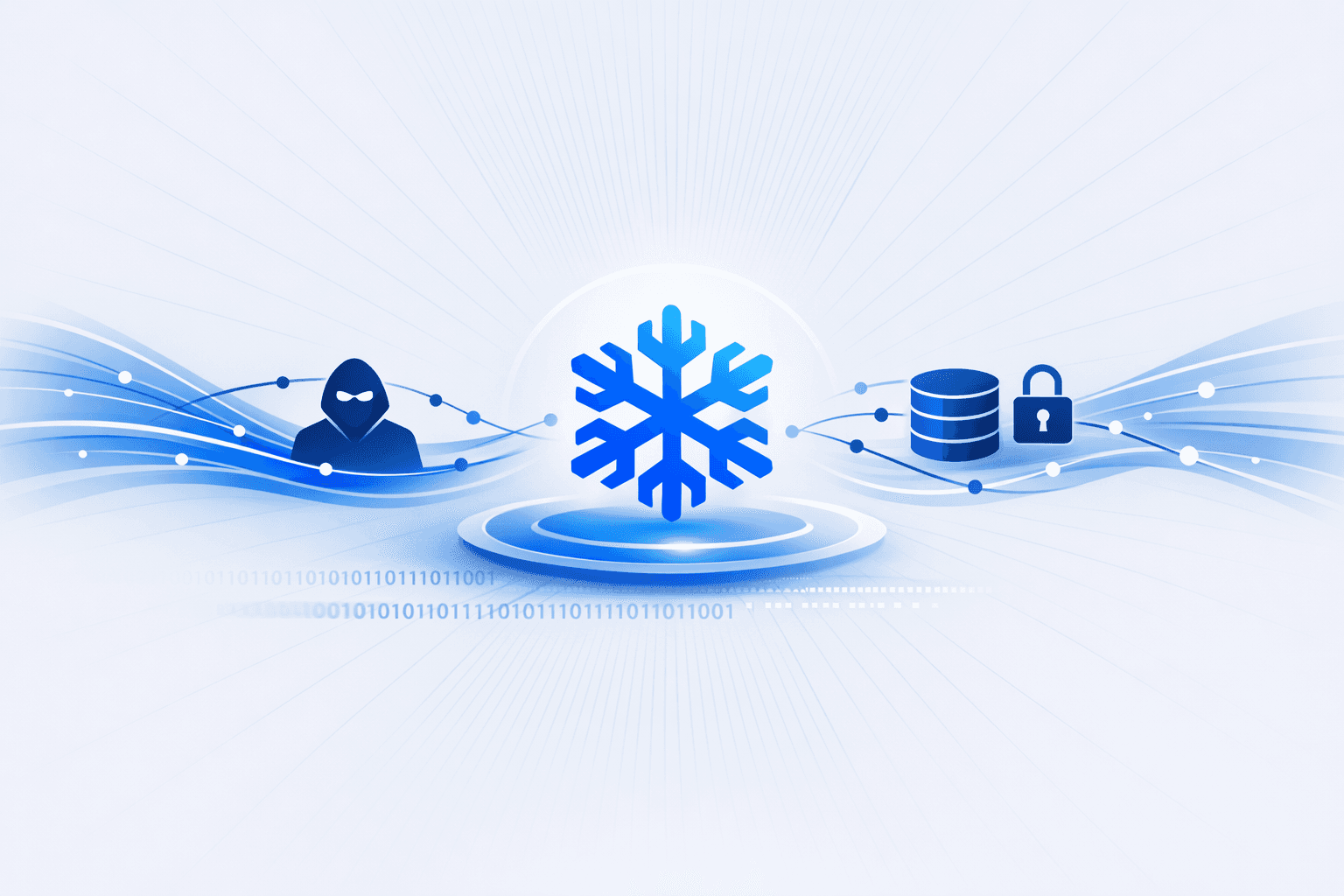
Connor Riley Moucka, a 26-year-old Canadian national, pleaded guilty in U.S. federal court for his role in a Snowflake-linked hacking and extortion campaign that compromised at least 165 organizations and exposed data tied to at least 100 million people. Prosecutors said the group used stolen credentials between February and October 2024 to access cloud-hosted customer environments, steal terabytes of sensitive data and billions of files, and extort victims by threatening to publish the information. Reported victims included AT&T, Ticketmaster, Advance Auto Parts, Neiman Marcus, Santander, and LendingTree, with stolen records including banking data, Social Security numbers, passport numbers, driver’s license numbers, and DEA registration numbers.
Investigators said the intrusions were not caused by a compromise of Snowflake itself but by previously exposed customer credentials, many traced to infostealer malware infections dating back to 2020. Mandiant found that at least 79.7% of the accounts used in the campaign had prior credential exposure, and observed the attackers using Snowflake’s SnowSight web interface, the SnowSQL CLI, DBeaver Ultimate, and a reconnaissance utility tracked as FROSTBITE to enumerate users, roles, IPs, session IDs, and organization names. Authorities said the conspiracy generated more than $2.5 million in ransom payments, while Moucka separately made about $495,000 selling stolen data on cybercrime forums; he was extradited to the United States and is scheduled to be sentenced on October 27, 2026.
Why it matters
Impact assessment
This campaign affected Snowflake customer environments across multiple sectors, including telecommunications, retail, financial services, insurance, manufacturing, healthcare-adjacent data holders, and education. The impact was severe: at least 165 organizations were compromised, data tied to at least 100 million individuals was exposed, victim companies incurred more than $9.5 million in direct losses, and the attackers obtained more than $2.5 million in ransom payments.
Business impact summary
The exposure was widespread rather than narrowly targeted, with named victims including AT&T, Ticketmaster, Santander, Advance Auto Parts, Neiman Marcus, LendingTree, Pure Storage, Bausch Health, Allstate, Progressive, State Farm, Mitsubishi, Anheuser-Busch, and a large U.S. school district/Los Angeles Unified. The campaign caused material financial loss, regulatory and legal exposure, customer notification burdens, reputational damage, and downstream fraud risk due to theft of financial records and government-issued identifiers.
Known exploitation and victim outcomes
Exploitation in the wild is confirmed. Prosecutors and multiple reporting sources state the intrusions occurred between February and October 2024 and involved theft of terabytes of data and billions of records/files, followed by extortion and resale on criminal forums.
Structured facts
- Threat actor/case: Connor Riley Moucka pleaded guilty; campaign attributed by Mandiant to UNC5537
- Co-conspirators named: John Erin Binns; Cameron "Kiberphant0m" Wagenius
- Scale: more than 165 organizations compromised
- Individuals affected: at least 100 million
- Direct victim losses: more than $9.5 million
- Ransom proceeds: more than $2.5 million
- Additional criminal proceeds: about $495,000 from data sales
- Named victims: AT&T, Ticketmaster, Santander, Advance Auto Parts, Neiman Marcus, LendingTree, Pure Storage, Bausch Health, Allstate, Progressive, State Farm, Mitsubishi, Anheuser-Busch, large U.S. school district/Los Angeles Unified
- Example victim impact: AT&T call/SMS metadata for more than 100 million customers; Ticketmaster roughly 560 million user records
- Data types exposed: banking data, payroll records, DEA registration numbers, driver’s license numbers, passport numbers, Social Security numbers, non-content call/text history records
- Criminal monetization channels: extortion, re-extortion, sale on BreachForums, XSS.is, Exploit.in, Telegram