Botnet Probes Router Diagnostic Endpoints for Command Injection
Malware Intelligence · 3 sources · Updated 4mo ago · First seen Aug 4, 2026
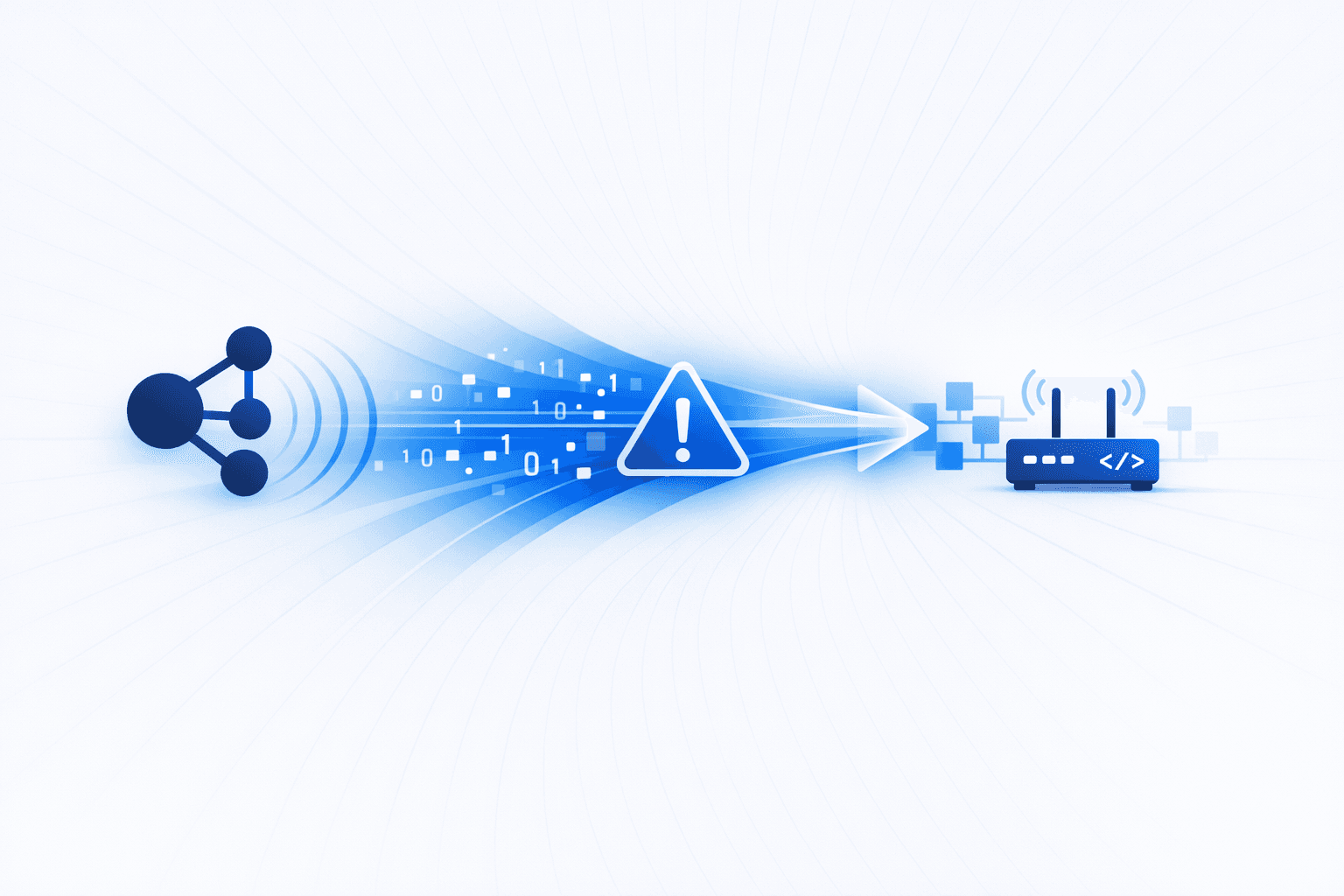
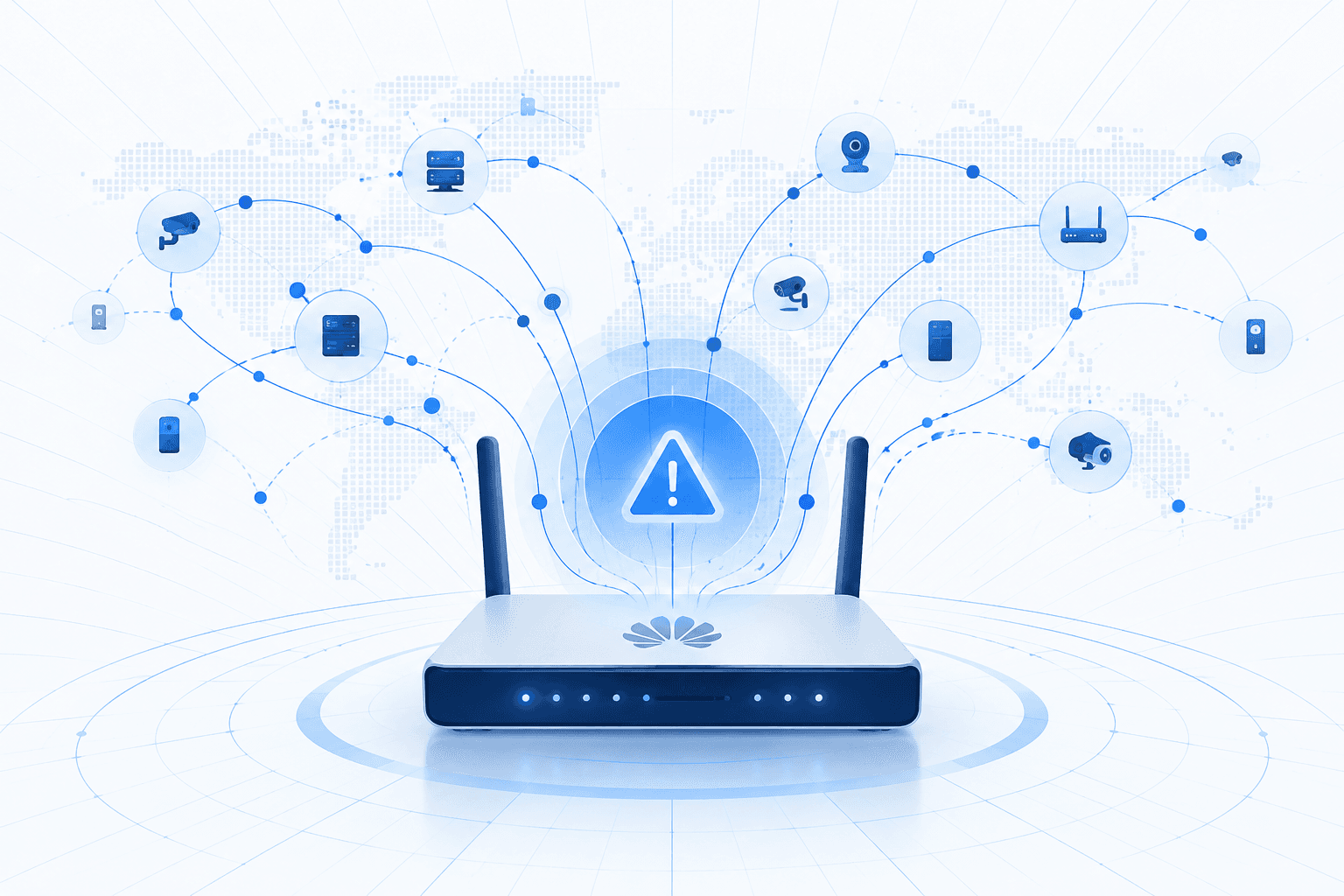
A botnet campaign is scanning web-exposed router and network-device diagnostic interfaces for command-injection flaws in features such as ping, traceroute, and other troubleshooting tools. Internet Storm Center observed repeated automated requests against multiple diagnostic-related URL paths tied to known or suspected vulnerabilities, including CVE-2024-12856 in Four-Faith routers, CVE-2013-7179 in Seowon Intech WiMAX SWU-9100 devices, CVE-2020-8949 in Gocloud devices, and possibly CVE-2024-48419 in Edimax routers.
The activity indicates broad reconnaissance to identify devices where user input can be turned into shell commands, though the reporting does not confirm that every probed endpoint was vulnerable or successfully exploited. The coverage highlights why diagnostic utilities are a recurring weakness: they often pass user-supplied values into operating-system commands through unsafe string concatenation. Defenders are urged to disable remote administration where possible, limit management access to trusted networks, apply firmware updates, and replace unsupported hardware, while developers are advised to use argument-separated execution methods instead of building shell commands directly from web input.
Why it matters
Impact assessment
A broad set of organizations and consumers with web-exposed routers or network devices are affected, especially environments using older or end-of-life edge hardware with diagnostic web features enabled. The immediate risk is device compromise leading to botnet enrollment, traffic relaying, scanning infrastructure abuse, and potential operational disruption at the network perimeter.
The scope appears widespread reconnaissance rather than a narrowly targeted campaign. Reporting confirms active probing in the wild against multiple diagnostic endpoints tied to known or suspected command-injection flaws, but it does not confirm successful exploitation for every request or every endpoint.
Supporting facts
- A botnet campaign is scanning router and network-device diagnostic interfaces exposed over the web.
- Targeted functionality includes ping, traceroute, and troubleshooting tools that may pass user input into OS commands.
- Affected product families referenced in reporting:
- Four-Faith routers
- Seowon Intech WiMAX SWU-9100 devices
- Gocloud devices
- Edimax routers
- Business impact if compromised:
- Edge-device takeover
- Botnet recruitment
- Use as scanning or relay infrastructure
- Potential service degradation and reputational risk from malicious outbound activity
- Known activity in the wild:
- Internet Storm Center observed repeated automated requests to multiple diagnostic-related URL paths
- The activity is characterized as reconnaissance for exploitable command-injection points
- Scope qualifiers:
- Broad internet-facing scanning across multiple vendors and paths
- No confirmation that all probed devices were vulnerable
- No confirmation that all requests resulted in successful exploitation