FortiBleed Exposed Credentials for Tens of Thousands of Fortinet VPN Devices
Breach & Incident Intelligence · 5 sources · Updated 4mo ago · First seen Jun 10, 2026

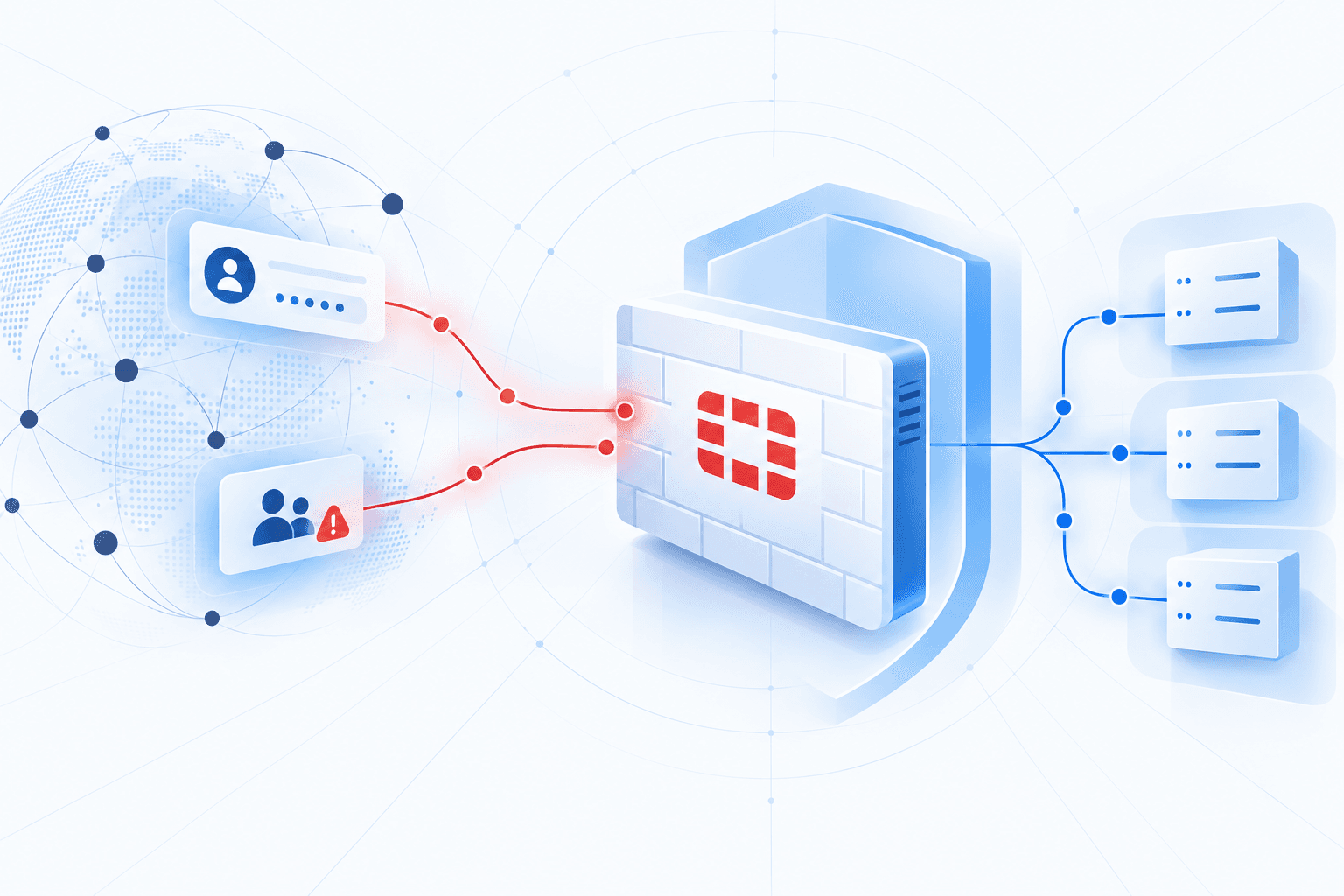
A dataset tied to the FortiBleed campaign exposed credentials associated with internet-facing Fortinet and FortiGate devices used for SSL-VPN remote access, affecting organizations in 194 countries. Researchers reported that the collection grew from roughly 73,000 compromised devices to 86,644 firewalls and VPN gateways, and included VPN URLs, usernames, email addresses, and in many cases plaintext passwords. Italian authorities warned that the circulating dataset was specifically linked to exposed SSL-VPN credentials on internet-accessible Fortinet systems.
Independent validation found that some leaked credentials were authentic and still worked on exposed devices, including systems running recent FortiOS versions. Investigators linked the database to active threat actors conducting large-scale scanning, compromising devices, intercepting traffic, and using stolen access to move into internal networks; some follow-on intrusions reportedly ended with ransomware-style encryption of hundreds of systems. Analysis also indicated that both default or built-in Fortinet accounts and organization-created accounts were present in the leak, pointing to weak credential hygiene and credential reuse as contributing factors, while the original intrusion vector remained unknown.
Why it matters
Impact assessment
FortiBleed is a high-severity global credential exposure affecting internet-facing Fortinet/FortiGate firewalls and SSL-VPN gateways used for remote access. The exposed dataset spans 194 countries and tens of thousands of devices, with victims including major enterprises, government entities, telecommunications providers, education organizations, and critical infrastructure operators.
The impact is severe because the leaked data includes VPN URLs, usernames, email addresses, and in many cases plaintext passwords that can enable direct administrative or VPN access. Active exploitation is reported in the wild: CISA warned the credentials were already being used in intrusion campaigns, researchers linked the data to large-scale scanning and follow-on compromises, and some downstream incidents reportedly ended with ransomware-style encryption of hundreds of systems.
Supporting facts
- Estimated affected devices grew from about 73,000 to 86,644 Fortinet firewalls and VPN gateways.
- Hudson Rock counted 73,932 unique URLs across 194 countries and 21,632 affected domains.
- SOCRadar assessed the exposed set as roughly half of internet-accessible Fortinet infrastructure.
- Most affected countries cited include India, the United States, Mexico, Colombia, Thailand, Taiwan, Turkey, Malaysia, Chile, and the United Arab Emirates.
- Most affected sectors include telecommunications, government, and education.
- Named victim organizations in the leak include Samsung, Foxconn, Comcast, AT&T, Mercedes-Benz, Toyota, Chevron, Siemens, Lenovo, PwC, Accenture, and Oracle.
- Exposure enables firewall takeover, security policy modification, backdoor account creation, interception of traffic, and pivoting into internal networks.
- Scope is widespread rather than narrowly targeted, but the leaked access can support targeted follow-on intrusion and initial access brokerage.