China-Linked Attackers Exploit Ivanti Connect Secure Zero-Days
Active Exploitation · 2 sources · Updated 4mo ago · First seen Jan 20, 2024

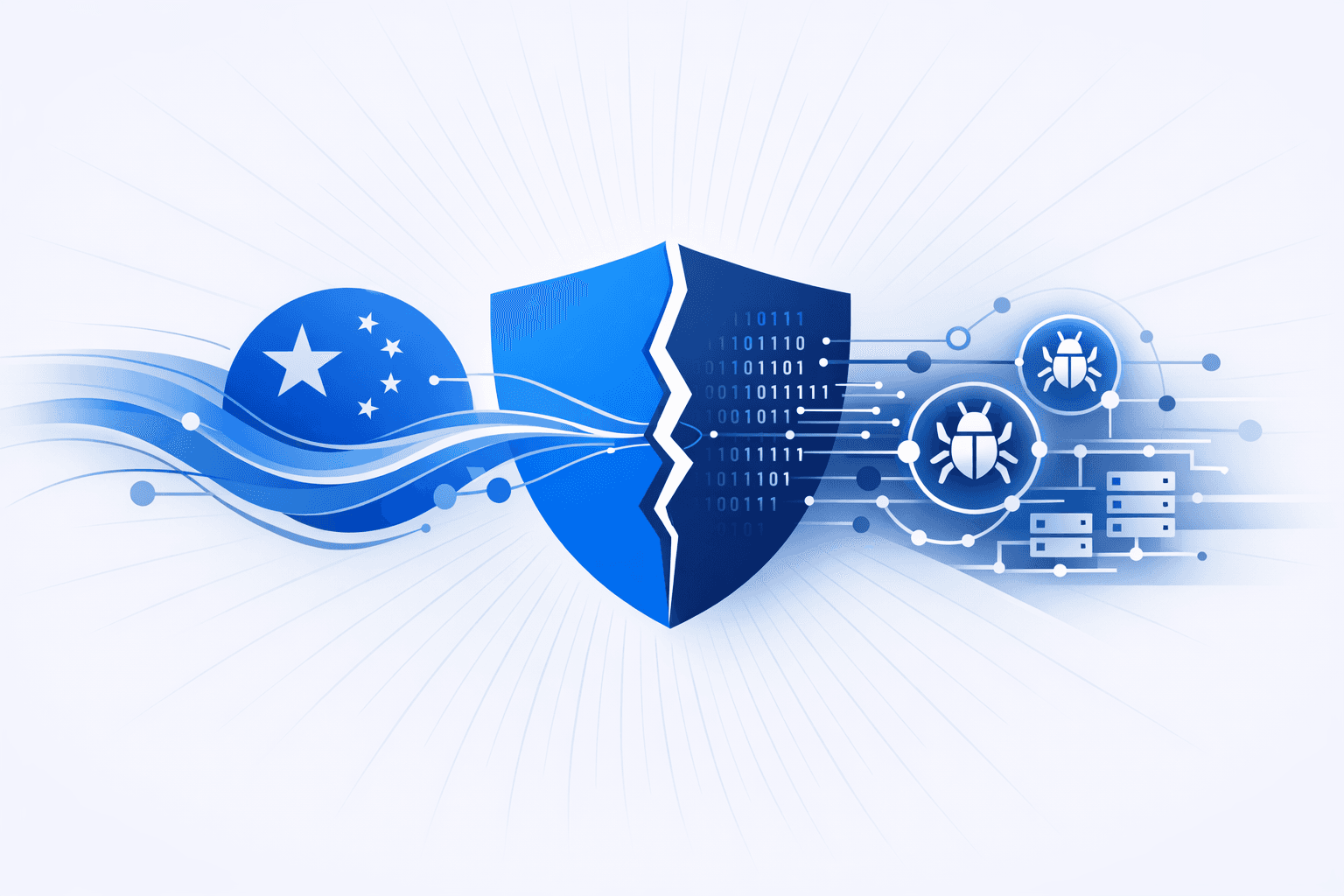
Mandiant and national defenders reported active exploitation of two zero-day flaws in Ivanti Connect Secure and Ivanti Policy Secure gateways, identified as CVE-2023-46805 and CVE-2024-21887. The bugs allow an authentication bypass and command injection, and were used together in intrusions targeting internet-facing VPN appliances. Reporting linked the activity to a suspected China-nexus threat actor targeting Ivanti devices as an initial access vector.
Attackers used the exploit chain to steal configuration data, modify files, establish a remote tunnel from compromised VPN devices, evade integrity checks, and deploy a backdoor by altering a legitimate CGI file. Affected versions included 9.x and 22.x releases of the Ivanti products, and Ivanti issued a mitigation file, mitigation.release.20240107.1.xml, as a recommended defensive measure while organizations worked to contain compromised gateways and assess follow-on access.
Why it matters
Impact assessment
Active exploitation of Ivanti Connect Secure and Ivanti Policy Secure zero-days creates a high-risk exposure for organizations running internet-facing VPN gateways, especially enterprises and public-sector environments that rely on these appliances for remote access. Impact is severe because successful compromise enables unauthorized access, command execution, theft of configuration data, persistence on the appliance, and potential follow-on intrusion into internal networks.
Key impact points
- Affected products: Ivanti Connect Secure and Ivanti Policy Secure.
- Affected versions: 9.x and 22.x releases.
- Exposure scope: potentially widespread across organizations with internet-exposed Ivanti VPN infrastructure, though reported intrusions were targeted.
- Exploitation status: confirmed exploitation in the wild.
- Threat attribution in reporting: suspected China-linked threat actor.
- Business impact: remote access infrastructure compromise can cause credential exposure, unauthorized network entry, operational disruption, incident response costs, and reputational damage.
- Post-compromise actions reported: theft of configuration data, file modification, remote tunnel creation, integrity-check evasion, and backdoor deployment via a legitimate CGI file.
- Secondary risk: compromised VPN appliances can serve as durable initial access points for lateral movement and broader enterprise compromise.