Zero-Day Zyxel CPE Flaws Enable Mirai-Linked Botnet Compromise
Active Exploitation · 3 sources · Updated 4mo ago · First seen Feb 11, 2025
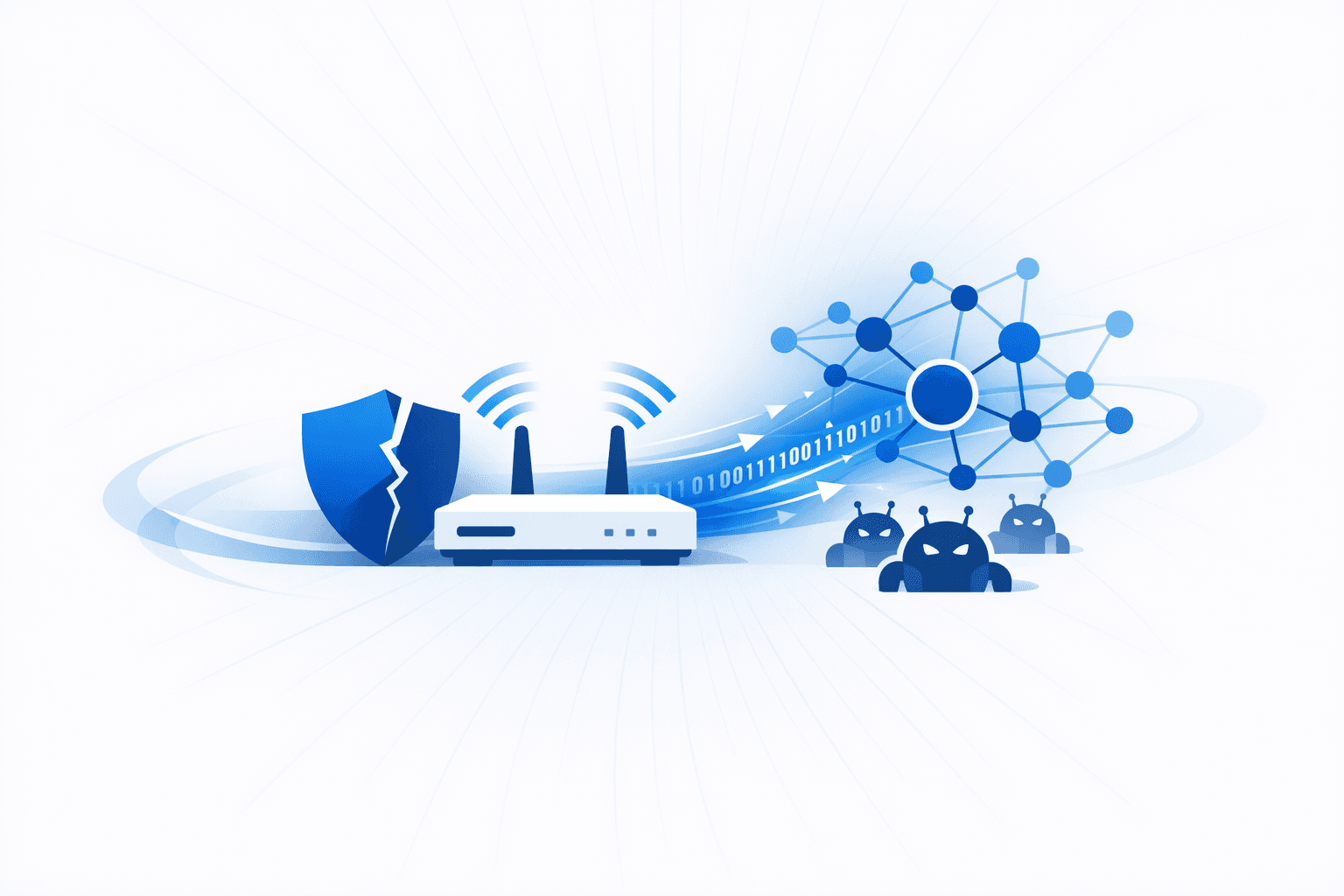
Researchers and defenders warned that two critical zero-day vulnerabilities in Zyxel CPE devices, CVE-2024-40890 and CVE-2024-40891, are being actively exploited in the wild. The flaws affect Zyxel CPE models that are now end-of-life and can enable command injection leading to full device compromise; reporting from GreyNoise highlighted active exploitation of CVE-2024-40891, while CSIRT.SK said Mirai-based botnet variants have been observed abusing the issue.
The exposed devices appear to be attractive initial-access targets because they sit at the network edge and can be conscripted into botnets or used as footholds into victim environments. Zyxel is not expected to issue patches for the affected hardware, leaving organizations to mitigate by replacing vulnerable devices, restricting access to administrative interfaces, and increasing monitoring of HTTP and Telnet traffic for signs of exploitation and post-compromise activity.
Why it matters
Impact assessment
Two critical Zyxel CPE zero-days, CVE-2024-40890 and CVE-2024-40891, are under active exploitation and can lead to full compromise of internet-facing edge devices. The primary risk falls on organizations and service providers still operating affected end-of-life Zyxel CPE hardware, with exposure ranging from botnet enrollment and service disruption to use of the device as a foothold into internal networks.
Business impact summary
Active exploitation in the wild materially raises the likelihood of compromise for any exposed affected device. Because the hardware is end-of-life and Zyxel is not expected to patch it, the exposure is persistent until devices are replaced or tightly isolated.
Who is affected
- Organizations using affected Zyxel Customer Premises Equipment devices at the network edge
- Managed service providers, telecom environments, branch offices, and small-to-medium enterprise sites that still rely on legacy Zyxel CPE
- Users of the following affected models:
- VMG1312-B10A
- VMG1312-B10B
- VMG1312-B10E
- VMG3312-B10A
- VMG3313-B10A
- VMG3926-B10B
- VMG4325-B10A
- VMG4380-B10A
- VMG8324-B10A
- VMG8924-B10A
- SBG3300
- SBG3500
Severity and scope
- Severity is high because successful exploitation enables remote command execution and full device control
- Scope is potentially broad wherever these legacy devices remain internet-accessible
- Known exploitation in the wild has been reported by GreyNoise and CSIRT.SK
- Mirai-linked activity indicates likely opportunistic mass exploitation rather than only narrowly targeted intrusion
Operational consequences
- Botnet recruitment and use in DDoS or other malicious campaigns
- Loss of integrity and availability of edge networking equipment
- Potential pivoting from compromised CPE into downstream internal environments
- Reputational and financial impact from outages, abuse complaints, and incident response costs