Procurement-Themed AiTM Campaign Hijacks Microsoft 365 Sessions via Compromised Outlook Accounts
Social Engineering & Fraud · 2 sources · Updated 4mo ago · First seen Jul 21, 2026
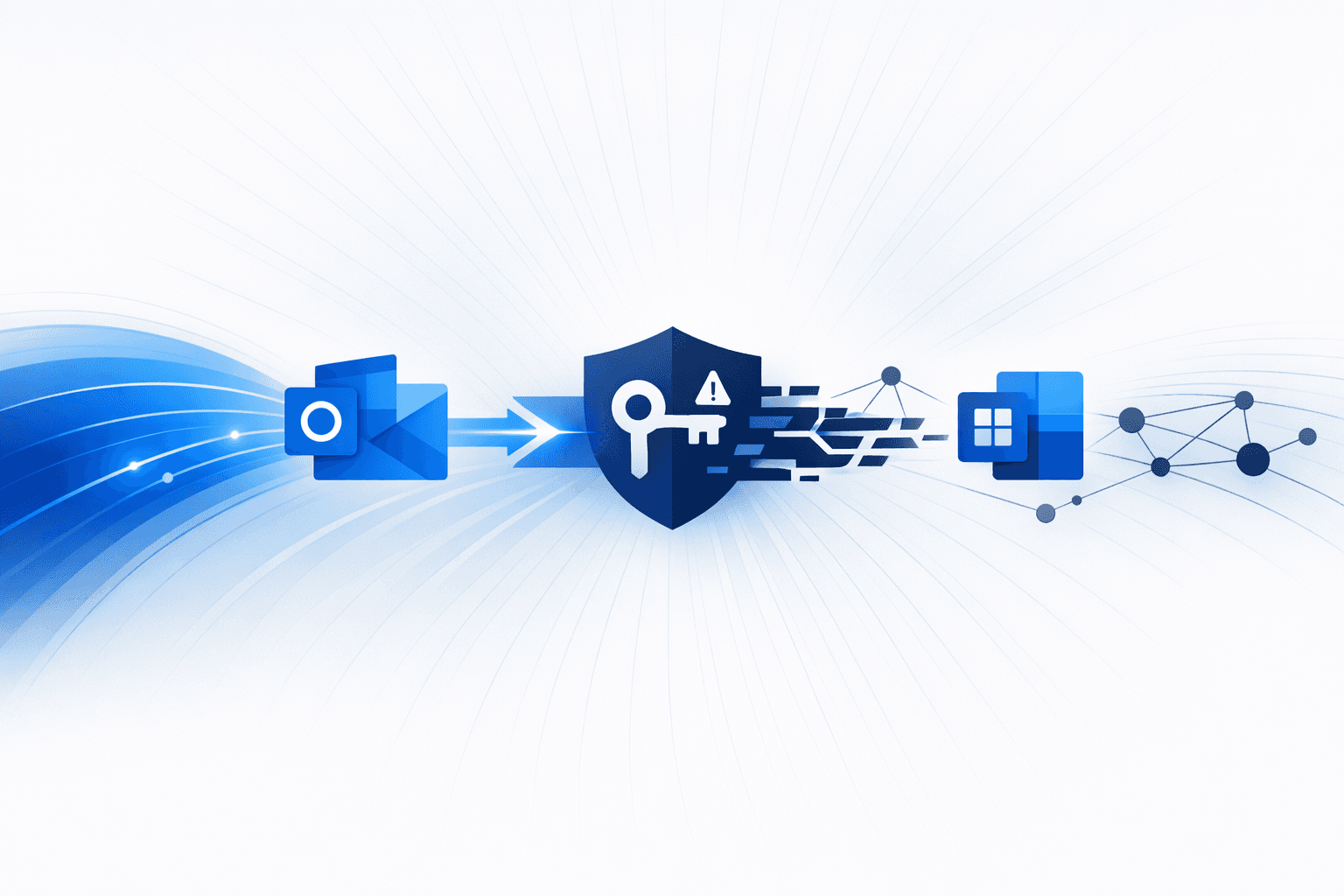
Attackers ran a procurement-themed adversary-in-the-middle phishing campaign against universities, enterprises, multinational institutions, and organizations linked to the European Union and United Nations, using compromised Outlook accounts to resend lures from trusted internal or partner addresses. Victims were directed to fake document download portals with CAPTCHA stages and cloned Microsoft 365 login pages impersonating brands including Microsoft, OpenGov, ConstructConnect, and the European Investment Bank, enabling the theft of credentials, session cookies, and MFA-authenticated tokens in real time.
Researchers said the operation relied on reverse-proxy phishing kits including EvilProxy, FlowerStorm/Storm-1167, and Kali365 to bypass MFA and gain access to Outlook, SharePoint, and other Microsoft 365 resources. The infrastructure favored aged or compromised domains, RDGA-style phishing domains, phishing subdomain conventions, and injected PHP content on dormant websites, indicating an effort to evade detection by avoiding newly registered infrastructure; defenders were urged to use DNS and passive DNS visibility, Microsoft 365 sign-in monitoring, and conditional access controls because MFA alone does not stop session hijacking.
Why it matters
Impact assessment
This campaign affects organizations using Microsoft 365, especially universities, enterprises, multinational institutions, and entities linked to the European Union and United Nations. Impact is high because the actor steals live authenticated sessions, enabling mailbox compromise, SharePoint access, partner-to-partner phishing propagation, and downstream business fraud even when MFA is enabled.
The exposure appears targeted but broad across multiple sectors and organizations rather than isolated to a single victim. There are reported incidents of active exploitation in the wild in May 2026, with attackers reusing each compromised Outlook account to expand internally and to trusted external partners.
Supporting facts
- Primary affected platform: Microsoft 365, including Outlook and SharePoint.
- Targeted populations: universities, enterprises, multinational institutions, and organizations associated with the EU and UN.
- Business themes abused: procurement, requests for information, bid invitations, and shared project documents.
- Severity drivers:
- Theft of credentials, session cookies, and MFA-authenticated tokens.
- Access to authenticated Microsoft 365 sessions without defeating MFA directly.
- Potential downstream abuse including payroll redirection, mailbox searches, and SaaS account takeover.
- Trusted-account phishing from compromised internal or partner mailboxes increases spread and reputational damage.
- Scope indicators:
- Multiple organizations affected.
- Campaign infrastructure spans compromised aged domains and phishing-as-a-service platforms.
- Attack chain expands through each newly compromised mailbox.
- Known exploitation:
- Campaign surfaced in May 2026 during an active incident.
- Researchers observed real-world use of compromised Outlook accounts and live AiTM phishing flows.