Attackers Abused BitLocker, RDP, and MSSQL to Extort Latin American Victims
Threat Actor Intelligence · 2 sources · Updated 4mo ago · First seen May 13, 2021
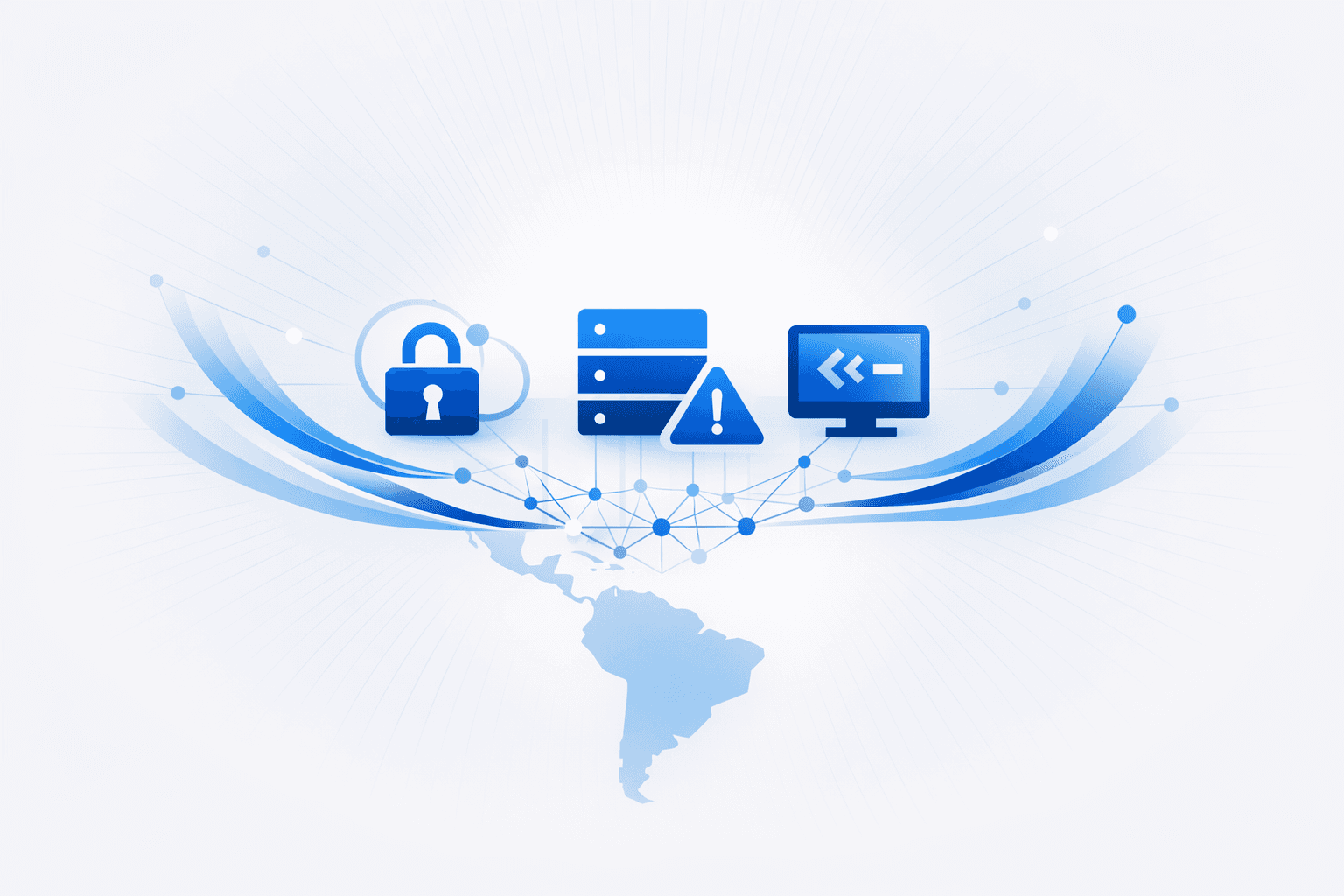
Attackers carried out two extortion intrusions in Latin America by abusing exposed Microsoft services and legitimate administration tools rather than deploying conventional ransomware. In one case in Colombia, a threat actor accessed an internet-facing RDP service, seized control of a system connected to an 8 TB storage device, encrypted the financial-data drive with BitLocker, and printed ransom notes demanding $3,000. In another case in Mexico, the group identified as XEntry Team exploited a misconfigured internet-facing Microsoft SQL Server with xp_cmdshell enabled after obtaining database credentials from code exposed on GitHub.
After gaining access in Mexico, the attackers expanded through the environment by weakening web server security settings, deploying web shells, and installing remote management tools including ManageEngine Endpoint Central, Mesh Agent, and Tactical RMM for persistence and command execution. They then used Group Policy Objects and scheduled tasks to enable BitLocker and encrypt disks across the domain, while victims reported blue screens reading "Hacked by XEntry Team," failed credentials, locked drives, and ransom notes printed from corporate printers. The incidents highlighted how exposed services, poor credential hygiene, weak alert handling, and ineffective endpoint protection can turn built-in Windows functionality into an enterprise-wide extortion mechanism.
Why it matters
Impact assessment
These intrusions affected organizations with exposed Microsoft services and weak administrative controls, particularly enterprises running internet-facing RDP or Microsoft SQL Server and Windows domain environments in Latin America. Impact was severe: attackers encrypted business-critical data with BitLocker, disrupted authentication and endpoint access, and used corporate printers to deliver ransom notes, creating both operational outage and reputational pressure.
The scope appears targeted rather than indiscriminate, but the tradecraft is broadly reusable anywhere exposed RDP, misconfigured MSSQL, weak credential hygiene, or unmanaged RMM tooling exists. The story describes confirmed real-world extortion incidents in Colombia and Mexico, including domain-wide disruption and encryption of an 8 TB storage-connected system containing financial or mission-critical data.
Affected entities and exposure
- Geography: Colombia and Mexico.
- Victim profile: enterprise environments with Windows systems, Active Directory/GPO usage, corporate printers, and exposed Microsoft services.
- Products and services implicated:
- Microsoft RDP
- Microsoft SQL Server 2019.0150.2160.04
- BitLocker
- Group Policy Objects
- Scheduled Tasks
- ManageEngine Endpoint Central
- Mesh Agent
- Tactical RMM
Severity and business consequences
- Data access loss through BitLocker encryption of local and attached drives.
- Operational disruption from locked systems, failed credentials, and domain-wide encryption activity.
- Financial extortion demand documented at $3,000 in the Colombia case.
- Reputational and psychological pressure via ransom notes printed from corporate printers and visible blue-screen messages reading "Hacked by XEntry Team."
- Incident response degradation where evidence was not preserved before restoration.
Scope and exploitation status
- Confirmed exploitation in the wild in two separate incidents.
- Activity relied on legitimate administration features and native Windows functionality rather than commodity ransomware binaries.
- Techniques are transferable to many enterprise environments with similar exposure and misconfiguration patterns.