Enterprise AI Agents Drive Non-Human Identity Risk and Governance Gaps
Emerging Technology Risk · 9 sources · Updated 3mo ago · First seen Jul 21, 2026
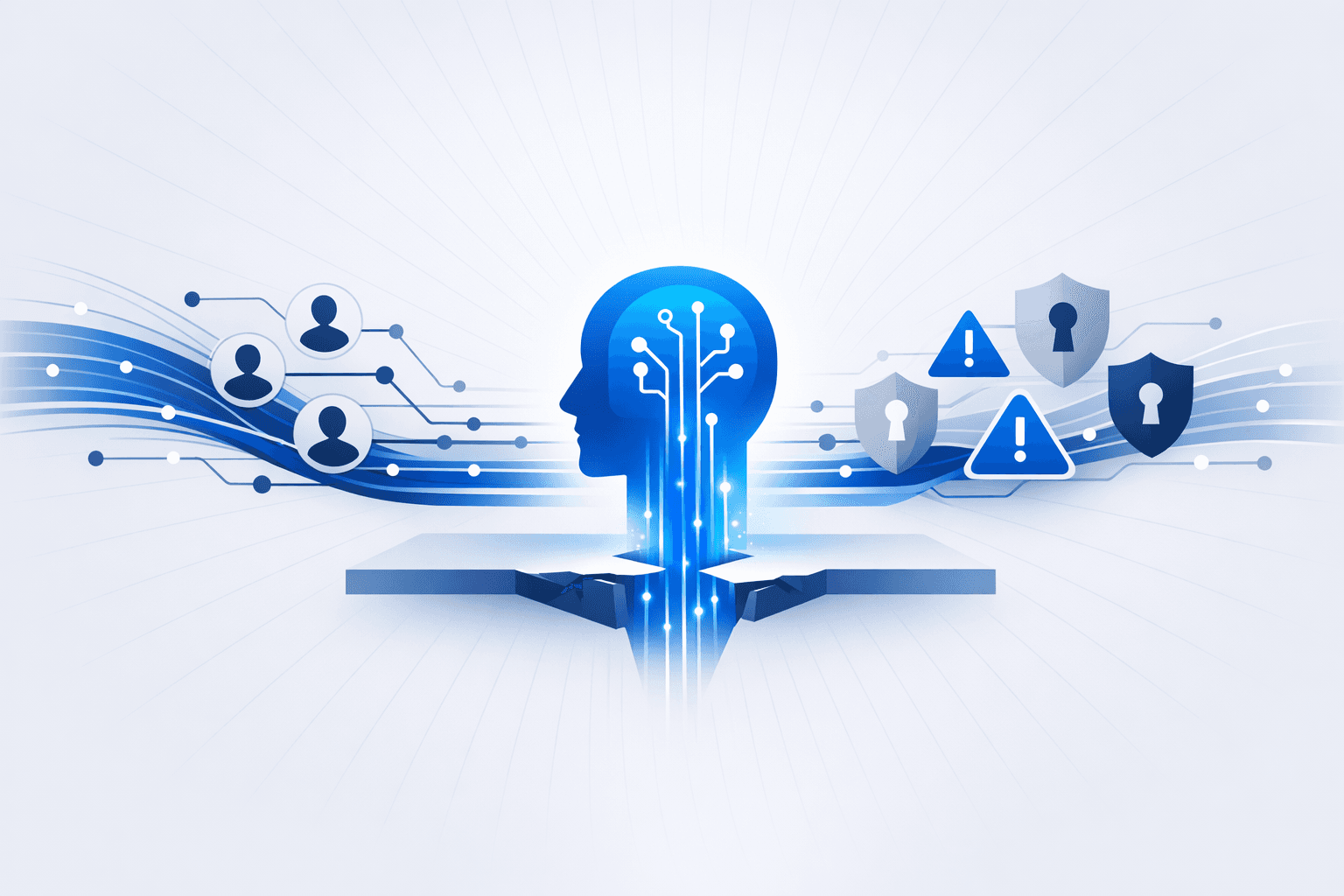
Enterprise adoption of AI agents is rapidly expanding the number of non-human identities inside corporate environments, with organizations increasingly running mixed stacks of coding assistants, writing tools, enterprise search, and agentic systems rather than relying on a single provider. Reporting based on Okta sign-on data from more than 20,000 organizations says each added AI platform brings more logins, secrets, tokens, service accounts, and permissions, while many companies still authorize agents with static API keys, OAuth apps, shared human accounts, or other weakly governed credentials that reduce auditability and increase the risk of over-permissioned access and orphaned accounts.
Security reporting and industry data indicate that those governance gaps are already translating into higher exposure. The articles cite the UNC6395 campaign, in which attackers allegedly abused a trusted OAuth token linked to Salesloft's Drift chat integration to pivot through Salesforce environments and obtain additional secrets including AWS credentials and Snowflake tokens, showing how machine identities can be exploited without a software flaw. A 2026 identity security report also found a 43% breach rate among organizations reporting AI-driven identity growth, versus 11% where AI had not significantly expanded identity counts, prompting calls for continuous inventory, clear ownership, least-privilege controls, lifecycle management, audit logging, and Zero Trust enforcement for AI agents and other machine identities.
Why it matters
Impact assessment
Enterprise organizations adopting multiple AI platforms and agentic workflows are affected most directly, especially teams using SaaS integrations, OAuth-connected apps, service accounts, API keys, and shared human logins. The impact is potentially severe because weak governance of non-human identities can enable unauthorized access to sensitive business systems, cloud credentials, and data stores without requiring a software vulnerability.
Exposure is broad rather than limited to a single product because the issue stems from identity architecture, governance, and deployment patterns across AI agents, SaaS platforms, cloud workloads, and MCP-connected tooling. The reporting cites a real-world abuse case involving UNC6395 and notes materially higher breach rates in organizations experiencing AI-driven identity growth, indicating this risk is already translating into incidents.
Supporting details
- Affected populations:
- Enterprises running mixed AI stacks across coding assistants, writing tools, enterprise search, collaboration tools, and autonomous agents
- IAM, cloud, SaaS, DevOps, and security teams managing non-human identities
- Users of OAuth-connected SaaS integrations, service accounts, workload identities, and API-based AI tooling
- Severity drivers:
- Loss of attribution when agents use shared service accounts or human logins
- Over-permissioned access and orphaned credentials expanding blast radius
- Potential exposure of AWS credentials, Snowflake tokens, Salesforce-connected data, and other secrets
- Increased compliance and audit risk due to weak ownership and incomplete logging
- Scope:
- Okta reporting is based on sign-on data from more than 20,000 organizations
- Machine identities reportedly outnumber human users by up to 50:1 in many enterprises
- Shadow AI usage extends exposure beyond sanctioned SSO-managed tools
- Known incidents and evidence:
- UNC6395 reportedly abused a trusted OAuth token tied to Salesloft's Drift chat integration to pivot through Salesforce environments and obtain additional secrets
- Netwrix Data and Identity Security Report 2026 cited a 43% breach rate among organizations with significant AI-driven identity growth versus 11% where AI had not significantly expanded identity counts
Entities and themes extracted
- Organizations and vendors:
- Okta
- Salesloft
- Drift
- Salesforce
- AWS
- Snowflake
- Anthropic
- OpenAI
- Cursor
- Microsoft 365
- Slack
- Google Workspace
- Adobe
- Notion
- Threat actor:
- UNC6395
- Risk themes:
- Non-human identity sprawl
- OAuth trust abuse
- Shared service account misuse
- Shadow AI
- Over-permissioning
- Orphaned credentials
- Weak lifecycle governance