Remote Function Stomping Technique Demonstrated for Windows Process Injection
Attack Tradecraft · 3 sources · Updated 5mo ago · First seen Jul 16, 2026

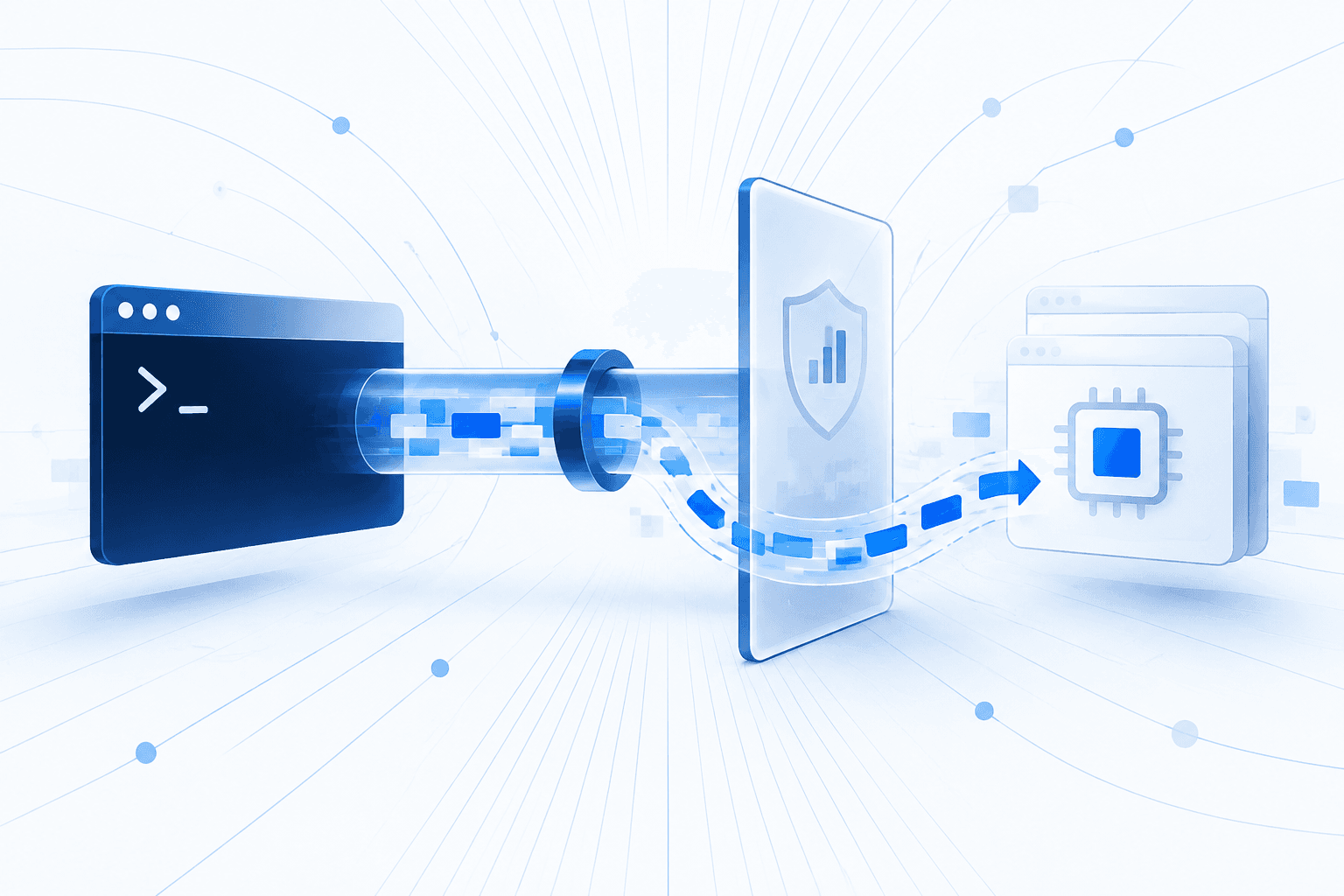
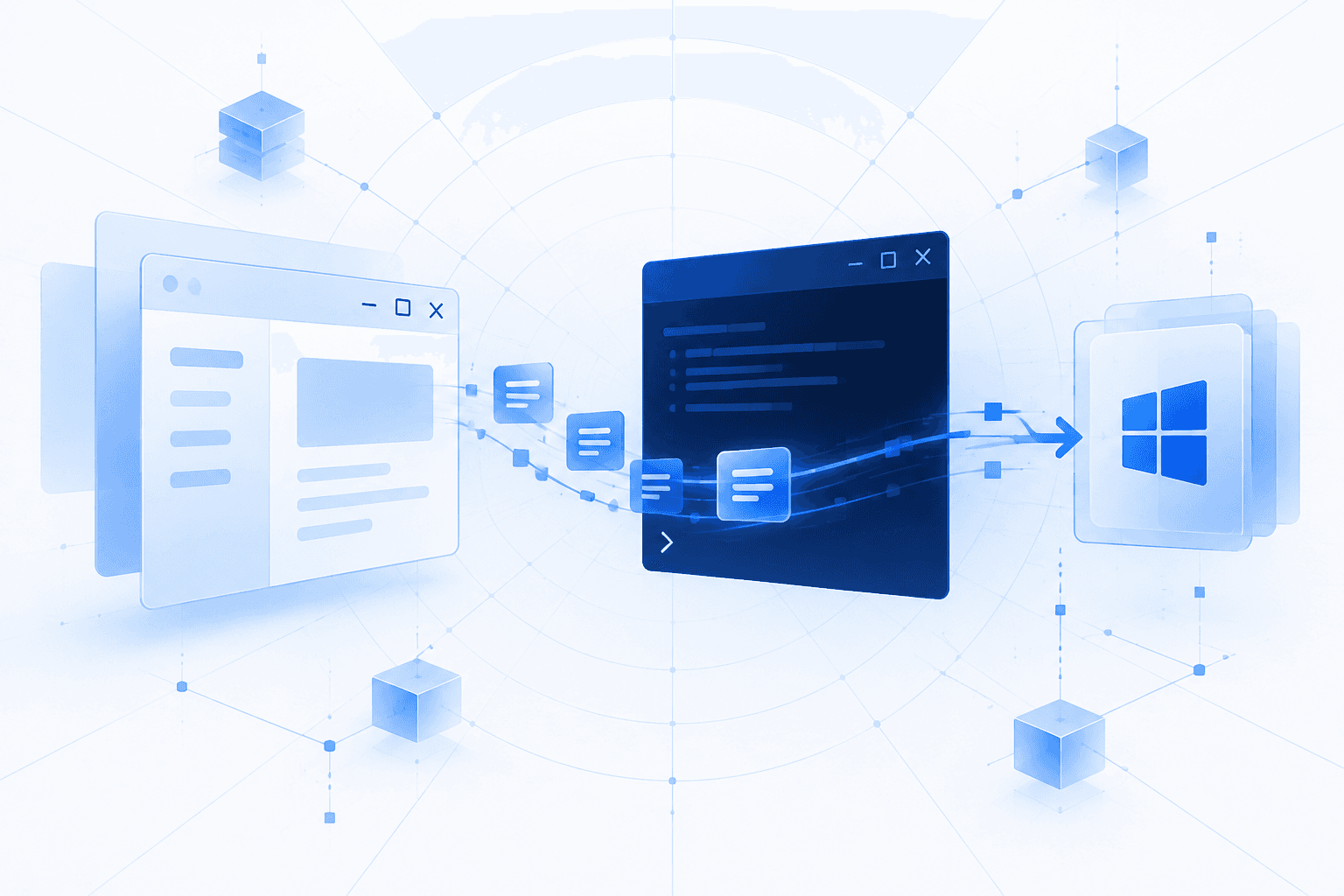
Security researchers published a proof-of-concept for remote function stomping, a Windows process-injection method that overwrites an existing exported API function inside another process and then runs the injected payload with a remote thread. The demonstration used notepad.exe as the target and selected CallMsgFilterA from user32.dll, resolving the function locally before modifying the remote process with VirtualProtectEx, writing shellcode through WriteProcessMemory, and triggering execution via CreateRemoteThread.
The write-up said the technique depends on the target DLL already being loaded in the remote process and noted that ASLR can affect DLL base addresses across processes. The authors presented the material as educational for malware researchers, red teams, and defenders, but the compiled sample was reportedly flagged as suspicious in an ANY.RUN sandbox, underscoring the detection and abuse potential of the method.
Why it matters
Impact assessment
Remote function stomping is a process-injection tradecraft demonstration that affects Windows environments broadly because it abuses standard cross-process memory and thread APIs rather than a product-specific vulnerability. The immediate risk is defender evasion and post-compromise payload execution inside legitimate processes, which can enable credential theft, malware staging, and operational disruption if adopted by threat actors.
Summary
This is not a new CVE-driven exposure, but it is a practical offensive technique with clear abuse potential in enterprise Windows fleets. Scope is potentially widespread across Windows endpoints and servers where an attacker already has code execution and sufficient process access; no in-the-wild exploitation campaign is described in the source material.
Affected populations
- Windows endpoint and server environments
- Organizations with user workstations running common GUI processes such as
notepad.exe - Security teams relying primarily on signature-based malware detection rather than behavior-based telemetry
- Industries with large Windows estates, including enterprise, government, education, and managed service environments
Severity and business impact
- Enables stealthier payload execution inside a legitimate remote process
- Can support follow-on actions including persistence, credential access, lateral movement, or defense evasion after initial compromise
- May reduce effectiveness of simplistic detections focused on classic remote allocation patterns
- Reputational and operational impact depends on the payload delivered, not the injection method alone
Scope and exploitation status
- Broadly applicable to Windows systems where the target DLL is already loaded in the remote process
- Requires prior access and permissions to open and modify another process
- No confirmed real-world incidents or named threat actor use are provided in the references
- ANY.RUN reportedly flagged the compiled sample as suspicious, indicating sandbox-detectable malicious behavior even in proof-of-concept form