Dark Web Market for Malicious AI Tools Expands Beyond WormGPT and FraudGPT
Emerging Technology Risk · 2 sources · Updated 5mo ago · First seen Jul 14, 2026
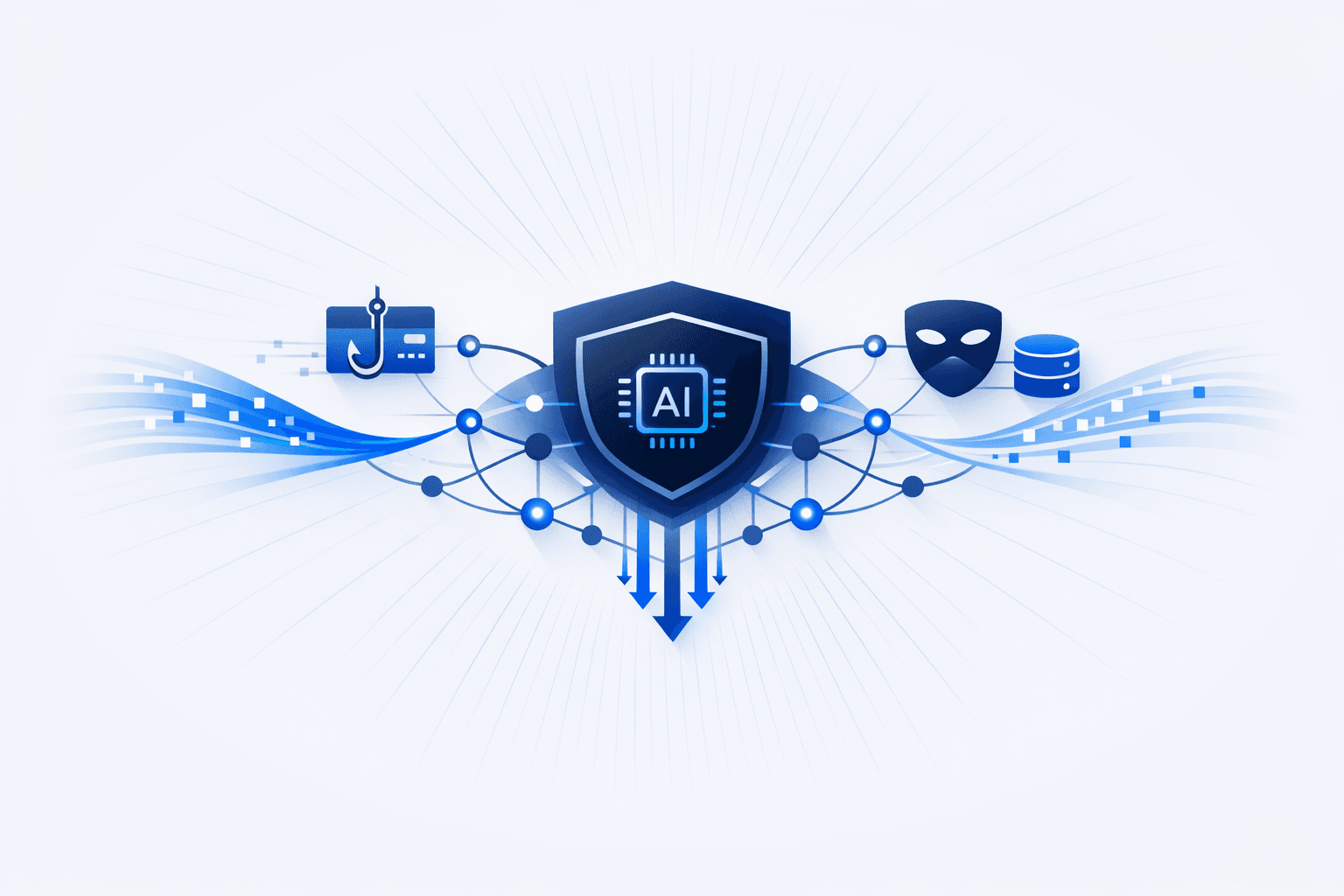
Cybercrime forums have sharply increased discussion and sales activity around malicious AI tools, with researchers reporting a 219% rise in mentions of dark AI tools and tactics and a 52% increase in references to jailbreaking mainstream platforms such as ChatGPT. These offerings include jailbroken versions of public generative AI services and customized tools built on open-source large language models, often sold as AI-as-a-Service to support phishing, business email compromise, deepfakes, fraud, vulnerability analysis, malware development, identity fraud, password attacks, credential stuffing, and DDoS operations.
Reporting on the underground market says well-known brands such as WormGPT and FraudGPT are only the most visible examples of a broader ecosystem of rebranded, resold, and short-lived criminal services. Analysts say the main effect of these tools is not breakthrough offensive capability but the removal of safety guardrails, making it easier for lower-skilled actors to generate convincing scam content and some malicious code; the market has also shifted toward repurposed open-source uncensored models, while scams targeting criminals and a reported leak of nearly 19,000 WormGPT user accounts highlight instability and risk inside the ecosystem itself.
Why it matters
Impact assessment
Malicious AI tooling on cybercrime forums is expanding quickly and lowering the skill barrier for phishing, business email compromise, fraud, and related social-engineering operations. The primary risk is broad exposure across all organizations that rely on email, voice, chat, or identity verification workflows, with especially high relevance for finance, customer support, accounts payable, and brand-facing teams.
The impact is operationally significant because these tools improve attacker speed, scale, and message quality rather than introducing a wholly new attack class. Reported underground activity indicates widespread criminal interest rather than a narrowly targeted campaign, and the most credible near-term effect is increased volume and believability of phishing, BEC, deepfake-enabled fraud, and credential abuse.
Supporting details
- Affected populations:
- Enterprises exposed to phishing, BEC, help-desk fraud, and impersonation attacks
- Financial services, retail, healthcare, education, government, and any sector with payment approval or identity-verification workflows
- Users and teams handling invoices, wire transfers, password resets, customer support, and executive communications
- Severity:
- Increased fraud risk from more convincing phishing and impersonation content
- Higher likelihood of credential theft, account takeover, payment diversion, and reputational damage
- Potential downstream malware delivery and ransomware enablement through improved social engineering and code assistance
- Scope:
- Widespread underground adoption signals broad exposure, not a single victim set
- Kela reported a 219% rise in mentions of malicious AI tools and tactics and a 52% increase in mentions of jailbreaking legitimate AI platforms
- Tools are marketed as AI-as-a-Service, increasing accessibility for lower-skill actors
- Known in-the-wild relevance:
- Reporting ties these tools to phishing, BEC, deepfakes, fraud, vulnerability analysis, malware development, identity fraud, password attacks, credential stuffing, and DDoS support
- No single named intrusion set or victim campaign is detailed in the references
- A reported 2026 leak exposed nearly 19,000 WormGPT user accounts, indicating substantial criminal-user adoption and ecosystem churn