HalluSquatting Lets Attackers Turn AI Coding Assistants Into Botnet Installers
Emerging Technology Risk · 11 sources · Updated 5mo ago · First seen Jul 8, 2026
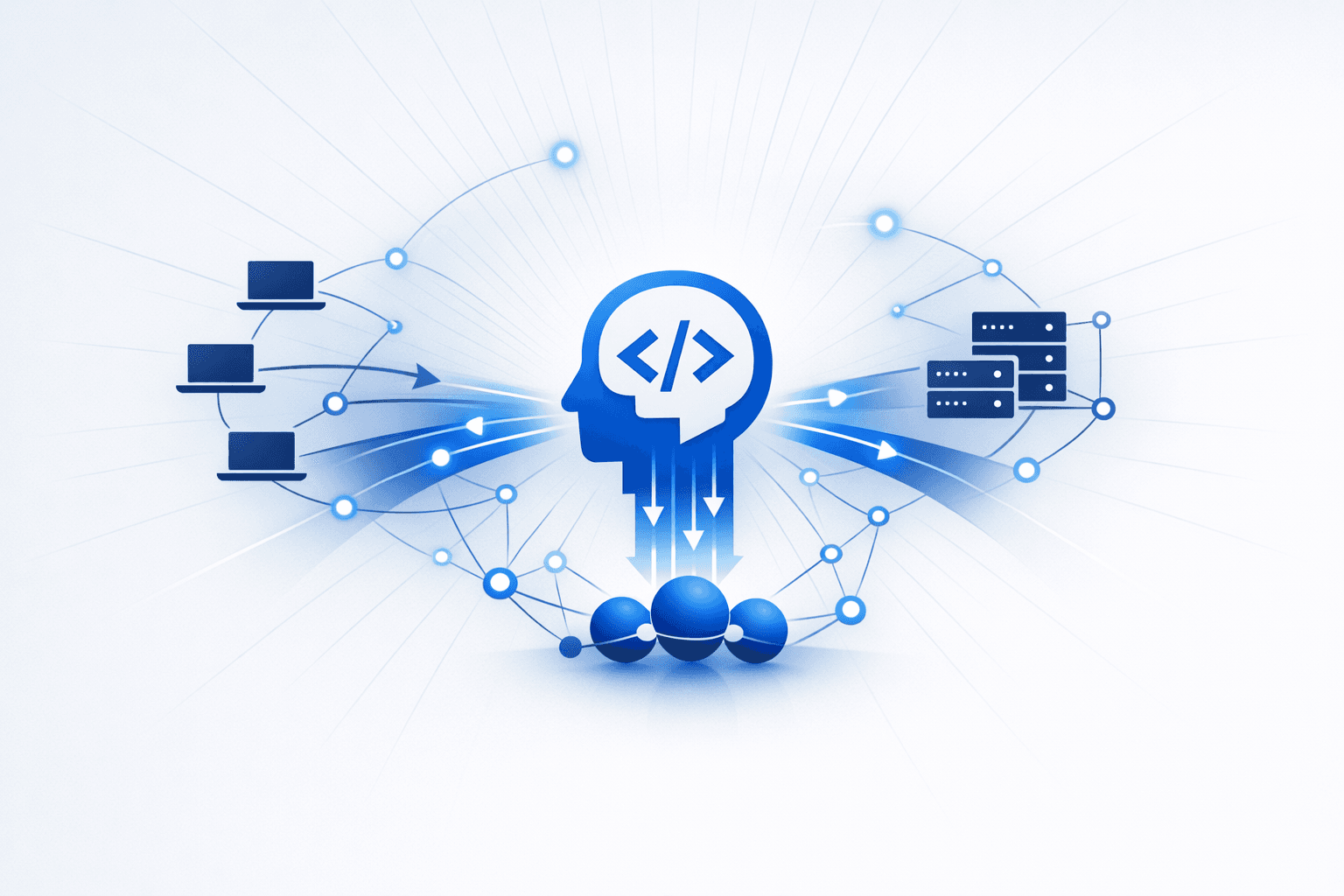
Researchers disclosed HalluSquatting, a prompt-injection technique that abuses AI coding assistants' tendency to hallucinate package, repository, plugin, or registry names and then retrieve them automatically. By predicting the fake identifiers a model is likely to invent, attackers can register those names on services such as GitHub or plugin stores, seed them with malicious instructions or payloads, and induce the assistant to execute attacker-controlled code. The researchers reported highly repeatable hallucinations—reaching up to 85% for repository requests and 100% for some skill-install scenarios—and said the method can deliver reverse shells and other malware without relying on software exploits, worms, or stolen credentials.
The attack was reported to affect tools including Cursor, Cursor CLI, Gemini CLI, Windsurf, GitHub Copilot, Cline, OpenClaw, ZeroClaw, and NanoClaw, many of which can fetch third-party resources and run with elevated command-line privileges. Researchers from Tel Aviv University, Technion, and Intuit said they disclosed the issue to vendors while withholding full reproduction details, warning that the technique could enable large-scale device compromise, botnet assembly, and DDoS activity across mixed environments. Recommended defenses include forcing assistants to search and verify resources before fetching them, validating package and repository names, disabling unattended auto-run behavior, and having platforms reserve likely hallucinated identifiers.
Why it matters
Impact assessment
HalluSquatting is a supply-chain style attack pattern that affects organizations using AI coding assistants and autonomous development agents that can fetch repositories, install packages or skills, and execute terminal commands. The highest risk falls on engineering teams, DevOps workflows, and developer endpoints where these tools have broad local privileges, access to credentials, or connectivity to internal systems.
The potential impact is severe because successful abuse can lead to arbitrary code execution, malware installation, reverse shells, credential theft, cryptomining, ransomware staging, and assembly of heterogeneous botnets for DDoS or other follow-on operations. The exposure is potentially broad rather than narrowly targeted because attackers can pre-register hallucinated identifiers once and wait for many agents across different environments to retrieve them.
There are no confirmed in-the-wild incidents in the provided reporting, but researchers achieved code execution across all tested assistants using safe payloads and reported highly repeatable hallucination behavior. This makes the issue operationally significant now for any enterprise allowing unattended or high-trust AI agent actions.
Affected entities and products
- AI coding assistants and agentic tools named in reporting:
- Cursor
- Cursor CLI
- Gemini CLI
- Windsurf
- GitHub Copilot
- Cline
- OpenClaw
- ZeroClaw
- NanoClaw
- Foundation models cited as affected by predictable hallucinations:
- Gemini 2.5 Flash
- Gemini 2.5 Pro
- GPT-5.1
- GPT-5.2
- Sonnet 4.5
- Opus 4.5
- Claude Opus 4.5
Severity and scope facts
- Researchers reported code execution in all tested cases using safe test payloads.
- Hallucination rates reached up to 85% for repository cloning scenarios.
- Hallucination rates reached up to 100% for some skill installation scenarios.
- Mean hallucination rate for repositories created in 2025 was reported as 92.4%.
- Mean hallucination rate for repositories from 2019 or earlier was reported as 0.9%.
- New and trending projects absent from model training data were described as the highest-risk category.
- The technique does not require software exploitation, stolen credentials, or weak passwords.
Business implications
- Developer workstation compromise can expose source code, secrets, tokens, and cloud credentials.
- Autonomous agent misuse can introduce malicious code into CI/CD and software supply chains.
- Mixed-environment compromise raises risk across Windows, macOS, and Linux endpoints where agents can run commands.
- Reputational and operational damage could follow if compromised agents push malicious changes, deploy tooling, or disrupt engineering workflows.