Januscape KVM/x86 Flaw Enables Guest-to-Host Escape and Root Escalation
Vulnerability Disclosure · 25 sources · Updated 3mo ago · First seen Jul 6, 2026

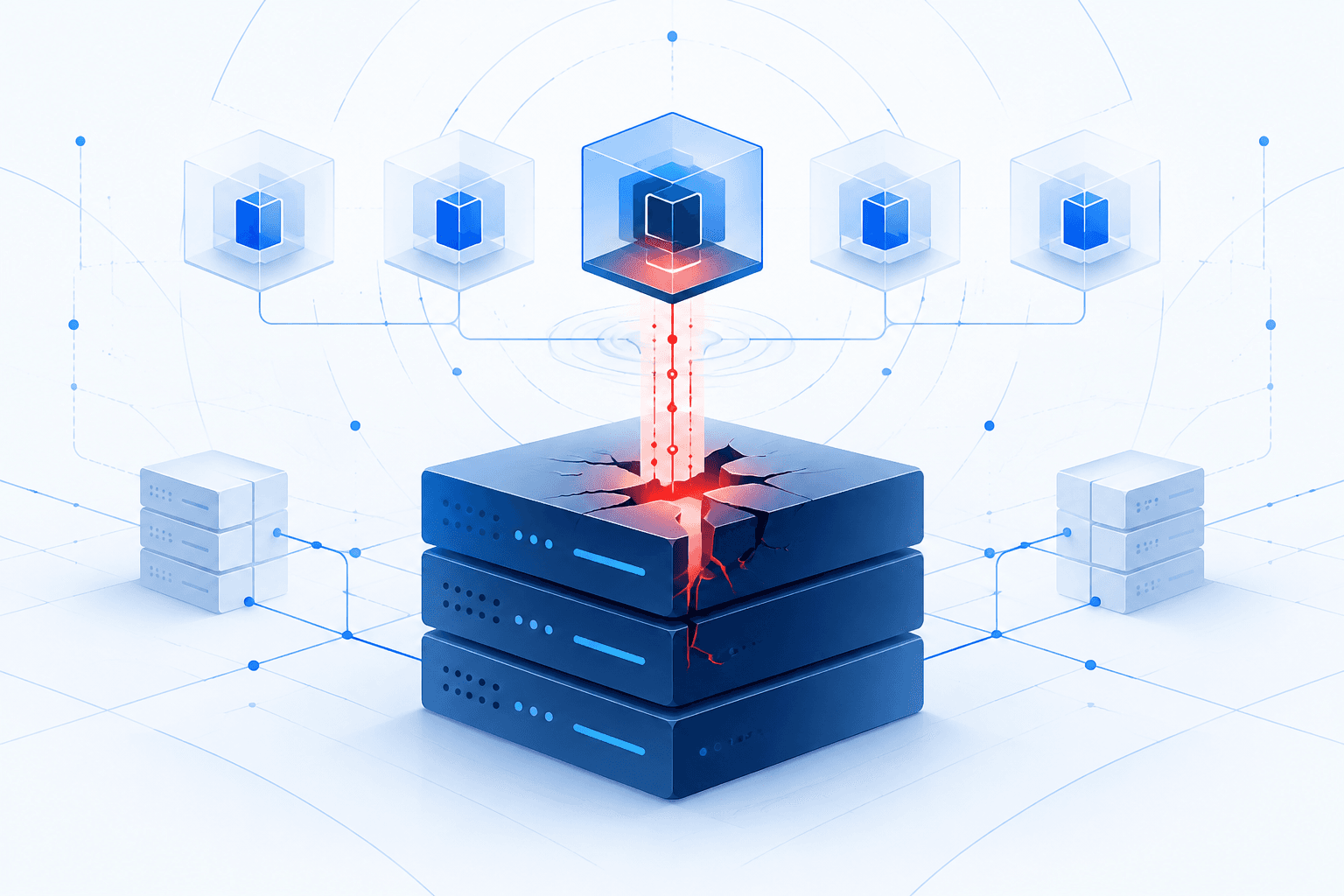
A long-standing flaw in Linux KVM/x86 shadow paging, tracked as CVE-2026-53359 and dubbed Januscape, can let a guest corrupt host kernel memory and potentially escape isolation. The bug is a use-after-free in KVM shadow MMU emulation caused by incomplete cleanup logic that left stale references to freed page-table tracking structures; reporting indicates earlier validation checked only the guest frame number and not the page role. The issue affects both Intel and AMD hosts, has reportedly existed since Linux kernel 2.6.36, and was disclosed as a vulnerability that can be triggered solely through guest-side actions.
Why it matters
Impact assessment
CVE-2026-53359 (Januscape) is a high-impact KVM/x86 hypervisor flaw that affects Linux hosts running Intel or AMD processors where nested virtualization is enabled or where local users can access /dev/kvm. The most exposed populations are multi-tenant cloud providers, enterprise virtualization clusters, and any environment that allows untrusted users to create or control VMs through KVM, libvirt, LXD, Incus, or similar services.
Successful exploitation can crash the host, disrupt all co-resident VMs, or lead to root-level compromise of the host and other guest systems on the same physical machine. Scope is targeted rather than indiscriminate because exploitation requires guest control with root inside the VM or local access to /dev/kvm, but the blast radius on a vulnerable host is severe.
Known exploitation has been demonstrated as a 0-day in Google kvmCTF, and public proof-of-concept code exists for reliable host denial of service. No broad malicious in-the-wild exploitation is confirmed in the provided sources, but the exploitability and impact are established.
Affected entities and exposure
- Product: Linux KVM/x86 hypervisor
- Architectures affected: x86 Intel, x86 AMD
- Architecture not affected: ARM64
- High-risk environments:
- Multi-tenant x86 public cloud
- Enterprise virtualization hosts
- Hosts exposing nested virtualization to untrusted guests
- Systems where /dev/kvm is writable by unprivileged users
- Services that may expand exposure even without active VM workloads:
- libvirt
- lxd
- multipass
- incus
Severity and business impact
- Guest-to-host escape can lead to host root compromise
- Host compromise can expose or control all guest VMs on the same server
- Public proof-of-concept can panic the host kernel and cause denial of service
- Local privilege escalation is possible on systems where /dev/kvm access is too broad
- Operational impact includes tenant outage, hypervisor rebuild, incident response, and potential data exposure across VM boundaries
Exploitation status
- Researcher: Hyunwoo Kim (@v4bel)
- Demonstrated as a 0-day in Google kvmCTF
- Public PoC available for host crash/DoS
- Full host code execution exploit reportedly exists but has not been publicly released
- No confirmed widespread malicious exploitation in the wild in the cited material