Anthropic Tightens AI Cyber Controls With Safeguards and Jailbreak Bounty
Emerging Technology Risk · 4 sources · Updated 5mo ago · First seen Jul 2, 2026
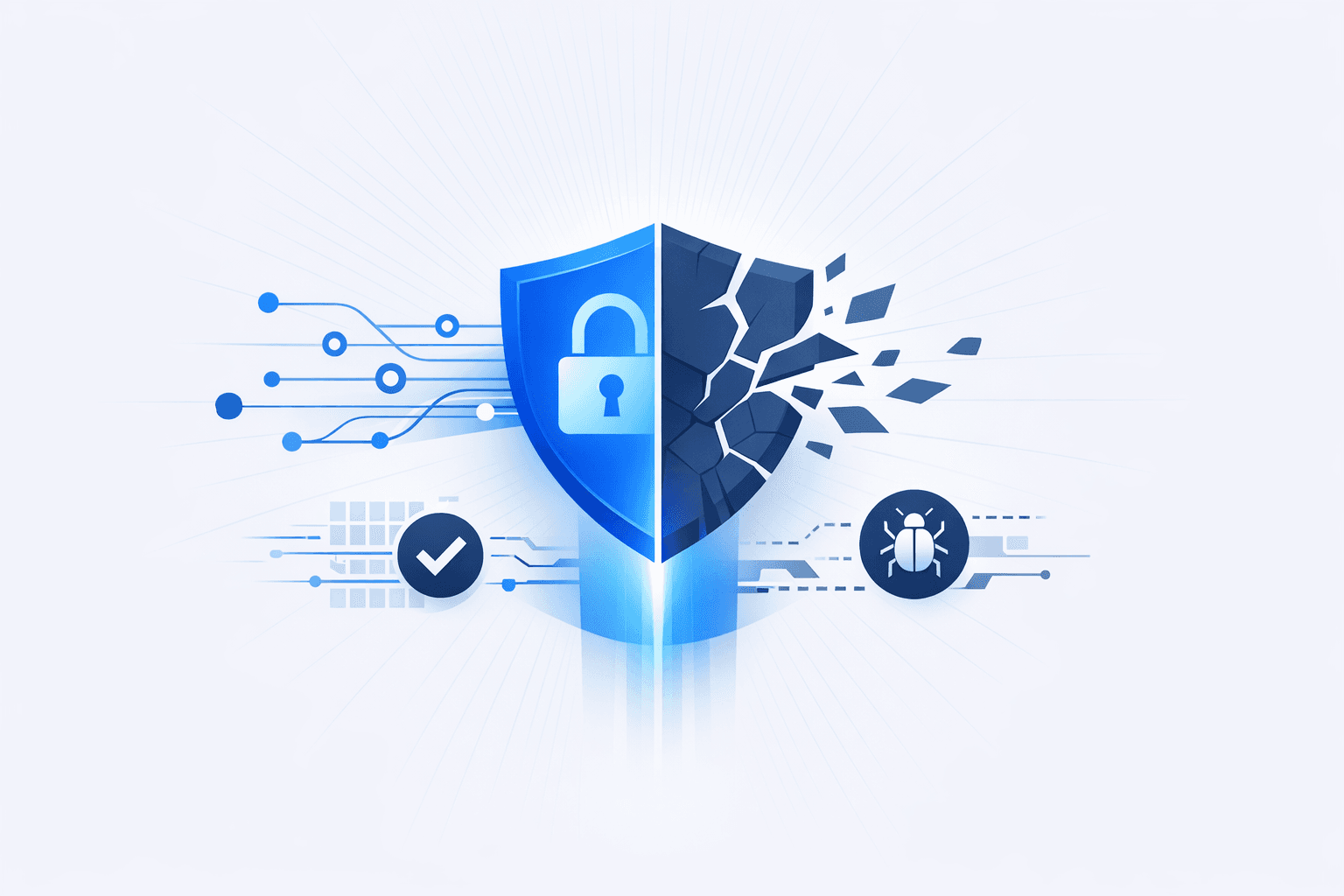
Anthropic introduced real-time cyber safeguards for its Claude Opus and Sonnet models that automatically block prompts tied to prohibited or high-risk cyber activity, including mass data exfiltration and ransomware development. The company said some dual-use requests, such as vulnerability exploitation or offensive security tooling, may still be permitted through its application-based Cyber Verification Program, which is intended for vetted defensive security professionals and is not currently available for Zero Data Retention users or through Amazon Bedrock and Google Vertex AI.
Anthropic also launched a HackerOne program to reward researchers who find high-impact jailbreaks that let Claude Fable 5 generate exploit code, malware, or detailed attack guidance it would normally refuse. The moves come amid broader industry concern that advanced models can sharply reduce the time and skill needed for offensive cyber work, while related reporting tied Anthropic’s vulnerability-discovery efforts to IBM and Red Hat’s new Project Lightwell, a $5 billion service aimed at backporting and delivering signed fixes for open-source flaws uncovered faster than enterprises can patch them.
Why it matters
Impact assessment
Anthropic's changes primarily affect organizations using Claude Opus, Sonnet, and Fable 5 for cybersecurity-adjacent workflows, especially security teams, AI-integrated developer environments, and enterprises relying on third-party AI access channels. The immediate business impact is operational rather than breach-driven: legitimate defensive use cases may be interrupted by default blocking, while the broader market signal is that advanced AI is materially lowering attacker effort for exploit development, attack-path mapping, and offensive research.
The exposure is broad across AI-enabled security and software supply chain ecosystems, but there is no discrete victim set, CVE, or confirmed compromise tied to this story. There are reported indications that operators were able to jailbreak Anthropic models within hours, which supports a real risk of misuse in the wild, though the references do not provide confirmed incident details, victim names, or campaign attribution.
Supporting facts
- Affected products and services:
- Anthropic Claude Opus and Sonnet now enforce real-time cyber safeguards.
- Anthropic's HackerOne jailbreak program is scoped to Claude Fable 5.
- Cyber Verification Program access is not currently available for Amazon Bedrock, Google Vertex AI, or Zero Data Retention users.
- Affected user populations:
- Defensive security professionals using Claude for dual-use tasks such as vulnerability exploitation analysis or offensive security tooling development may face default blocking.
- Enterprises integrating Claude through first-party services, Microsoft Foundry, or customer-facing platforms may need workflow changes.
- Severity and business effect:
- No direct data-loss or ransomware incident is documented in the references.
- Operational disruption is plausible for approved security workflows blocked by safeguards or unavailable CVP support on certain platforms.
- Strategic risk is elevated because the reporting consistently frames advanced models as reducing time and skill barriers for offensive cyber work.
- Scope:
- Broad ecosystem relevance due to AI-assisted vulnerability discovery and remediation pressures across open-source software.
- IBM and Red Hat launched Project Lightwell in response to AI-accelerated vulnerability discovery outpacing patching capacity.
- Exploitation status:
- The article states operators reportedly jailbroke the models within hours.
- Anthropic launched a bounty program specifically for high-impact jailbreaks that enable exploit code, malware, or detailed attack guidance, indicating the company considers bypass risk credible and material.